openelab.de
 openelab.com





































LoRa
LoRa is the underlying long-range radio technology itself, providing the wireless link but not the network structure, device management, or application-layer rules that LoRaWAN adds.
 Dev Board
 Display
 Wireless & IoT
 Camera
 Edge AI Camera
 General Camera
 Embedded Camera
 Depth & LiDAR Camera
 Camera Accessory
 Power
Power
 Geek
Geek
Quick Access
Quickly jump to LoRaWAN basics, technology comparisons, product selection, application scenarios, tutorials, frequency requirements, and FAQ.
LoRaWAN is a low-power, long-range wireless networking protocol built for connecting distributed IoT devices such as sensors, trackers, and monitoring nodes across large areas, making it a practical choice for applications like environmental monitoring, asset tracking, industrial telemetry, and remote data collection where stable connectivity, low energy consumption, and scalable deployment matter.
A Beginner Friendly Introduction
LoRaWAN-Centered Comparison
LoRaWAN is the managed IoT network layer. Use these four comparisons to see what it adds beyond radio links, mesh chat, lightweight firmware, and direct device-to-device connections. Read the full article
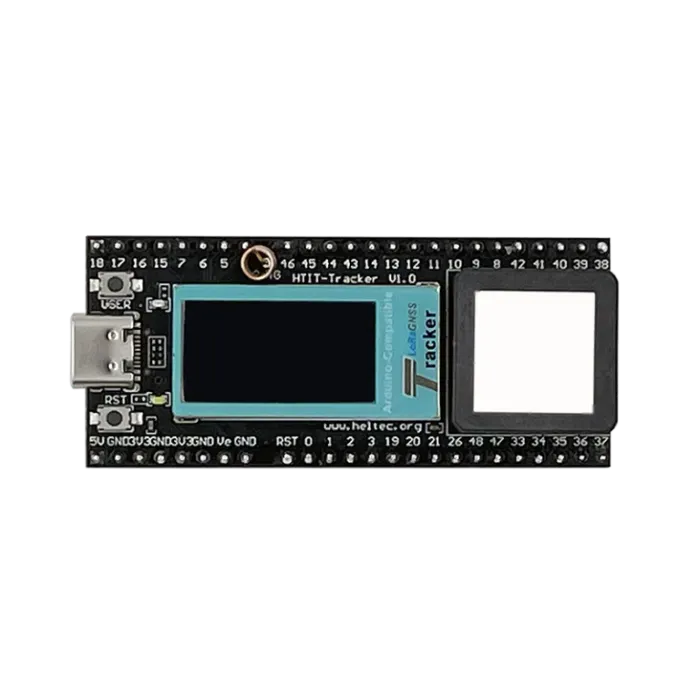
LoRa is the underlying long-range radio technology itself, providing the wireless link but not the network structure, device management, or application-layer rules that LoRaWAN adds.
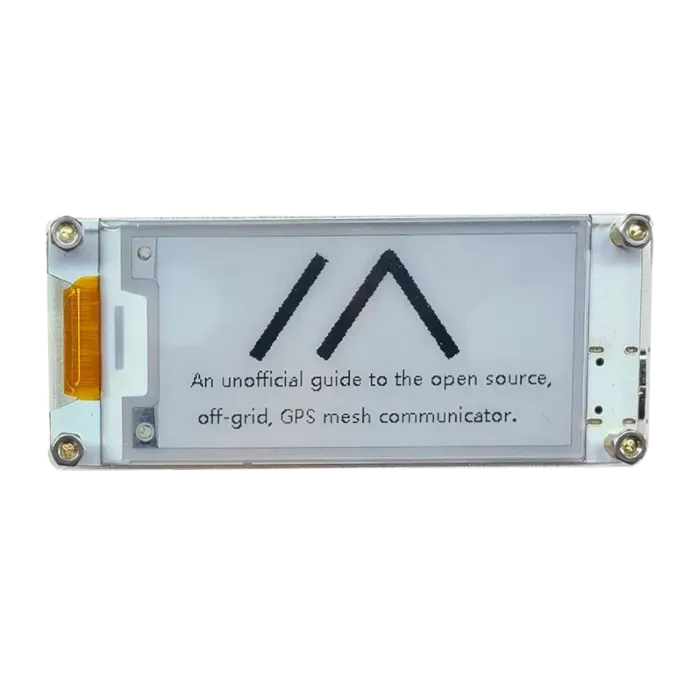
Meshtastic is an open-source LoRa-based mesh messaging system designed for off-grid communication between user devices, rather than for gateway-based IoT sensor networks like LoRaWAN.
MeshCore is a lightweight LoRa mesh communication firmware focused on simple decentralized device-to-device networking, making it closer to Meshtastic than to the server-based architecture of LoRaWAN.
LoRa P2P uses LoRa for direct device-to-device communication without gateways or network servers, making it simpler than LoRaWAN but much less suited for scalable managed IoT deployments.
LoRaWAN enables long-range, low-power communication between field devices and cloud applicationsdelivering reliable data from anywhere to the insights you needd. Click the image below to see more articles.
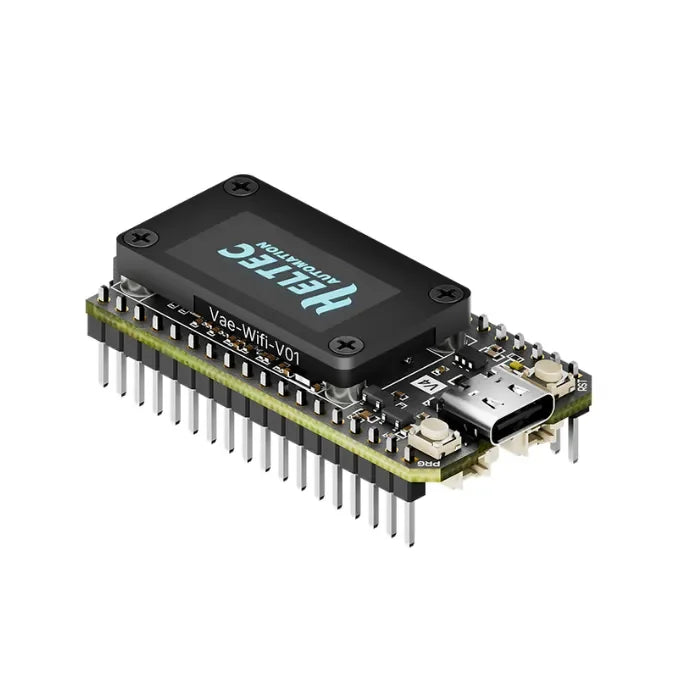
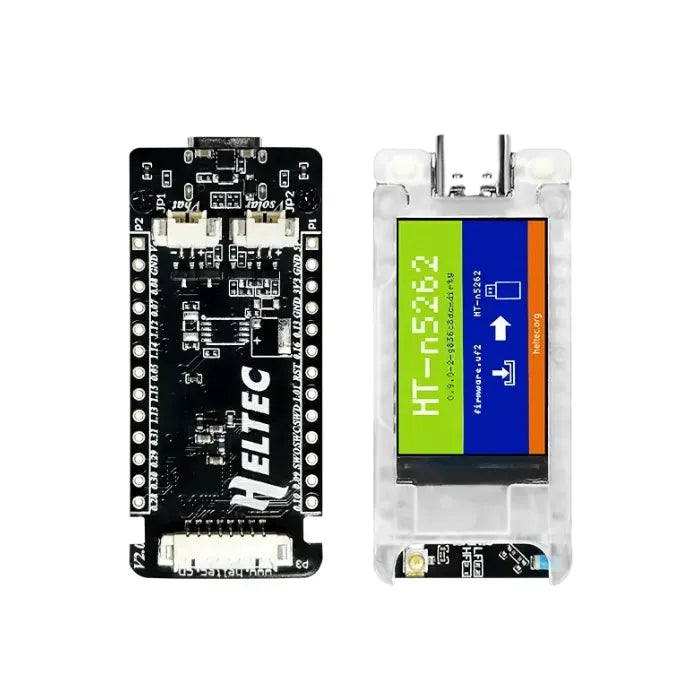



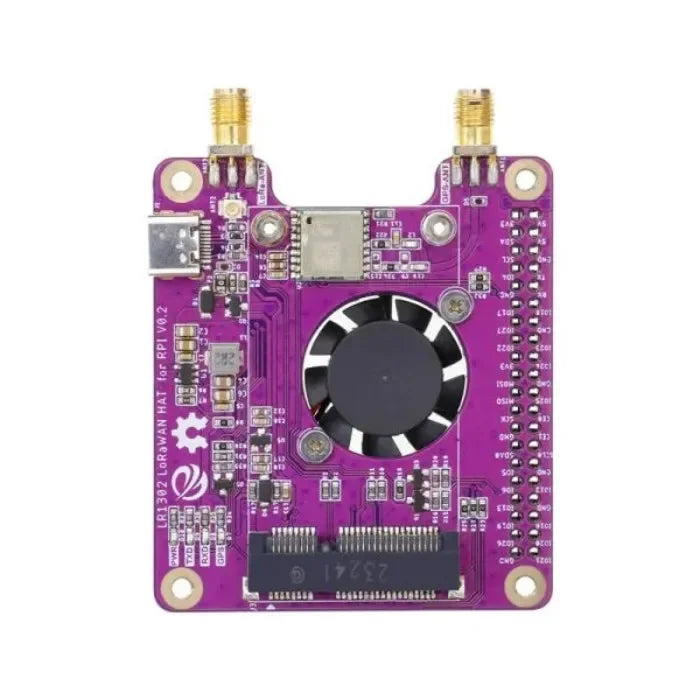
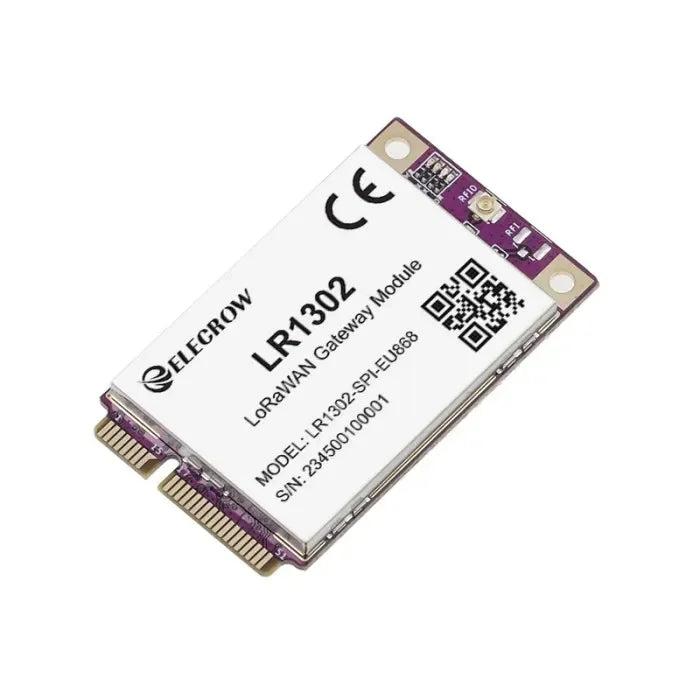
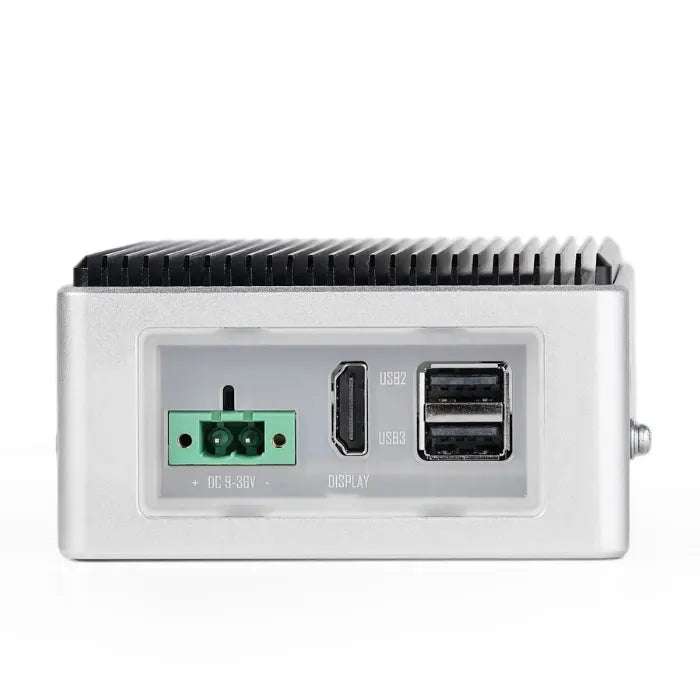

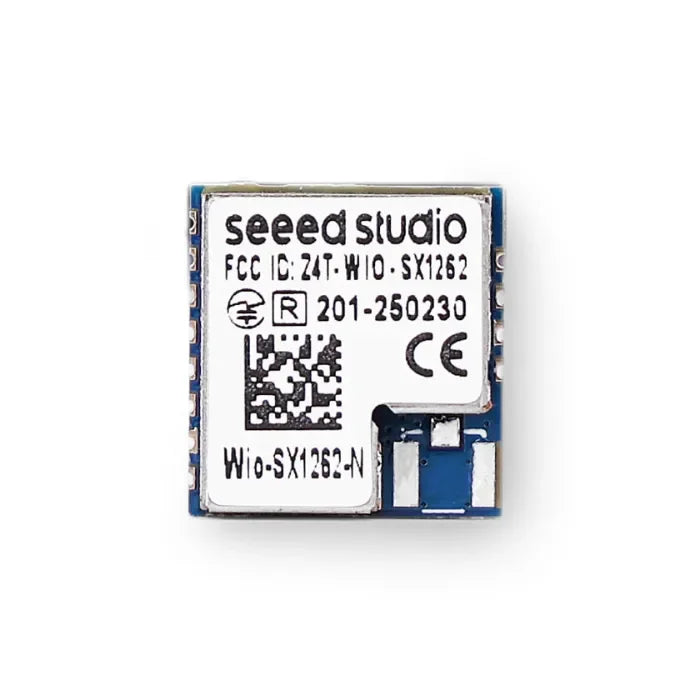
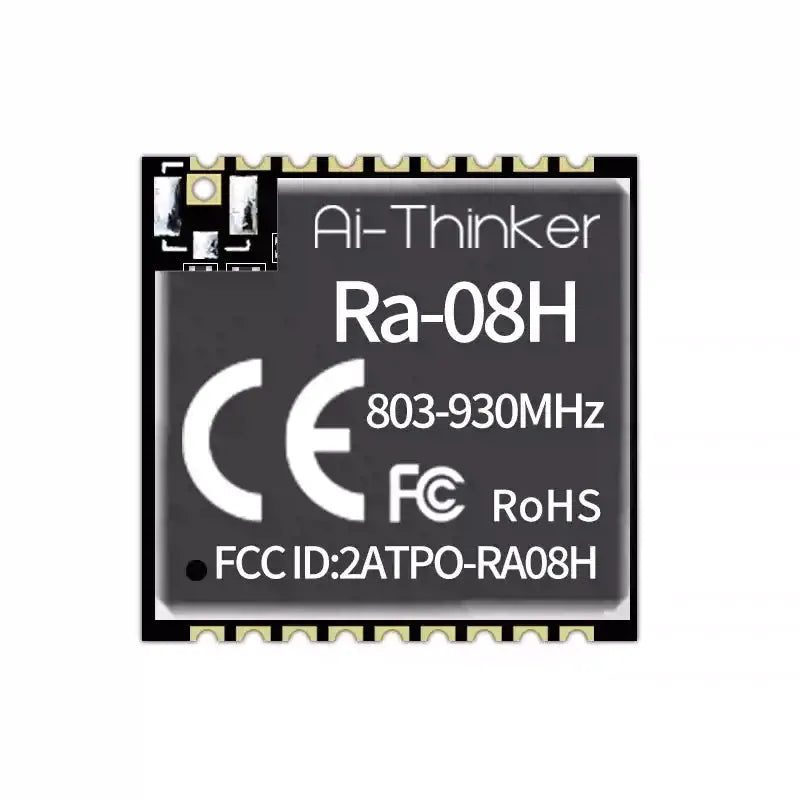
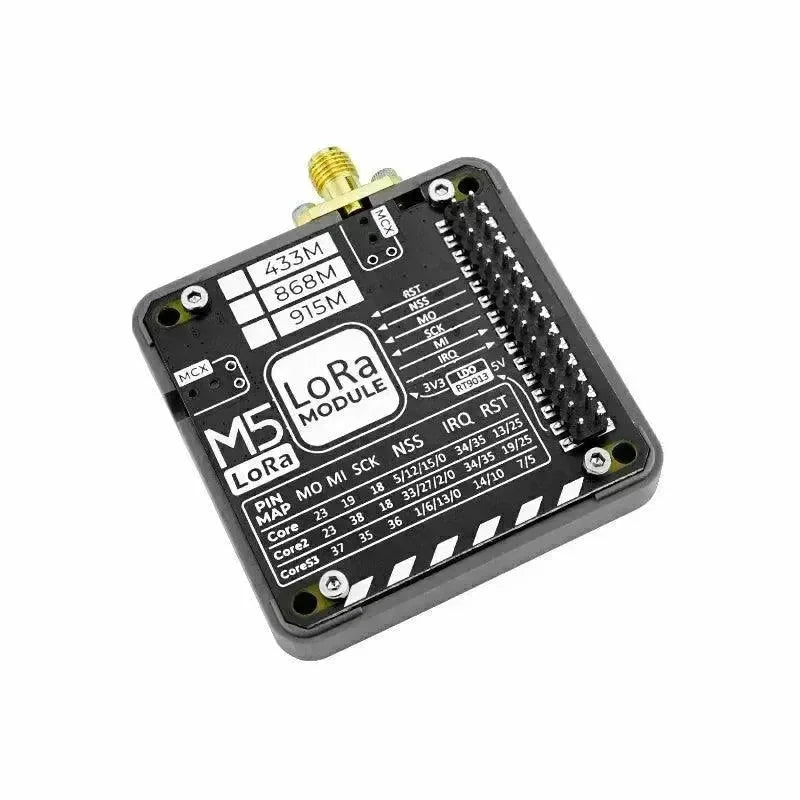




Explore practical LoRaWAN setups by application scenario, then add the products that fit each deployment.

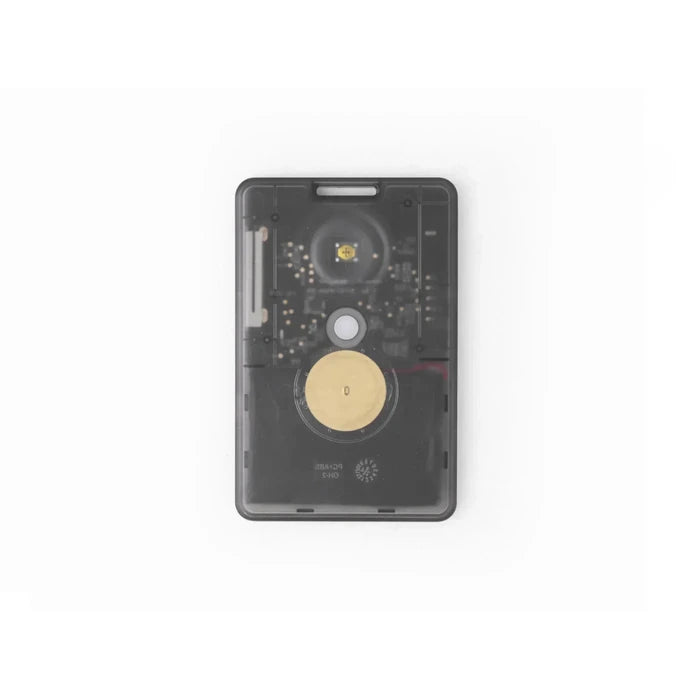
LoRaWAN asset tracking is best used when the goal is practical asset visibility, not high-frequency real-time telematics. In this type of deployment, a tracker attached to a toolbox, equipment case, transport crate, mobile cart, or staff badge periodically reports status, movement, or location checkpoints through the LoRaWAN network, allowing teams to know whether an asset is still on site, whether it has moved, and whether it has reached the intended area.
The strongest value of this scenario is low-power long-range awareness across wide operational areas. A field service team can monitor mobile kits across a facility, a logistics team can track reusable transport assets between checkpoints, and a site manager can verify whether critical equipment remains in the correct area without depending on Wi-Fi coverage or cellular subscriptions for every unit.

LoRaWAN environmental monitoring is designed for distributed sensing across large indoor or outdoor areas where running cables is inconvenient, Wi-Fi coverage is patchy, or battery life matters. In this setup, sensor nodes collect values such as temperature, humidity, CO2, soil moisture, air conditions, or microclimate data, and periodically send the readings over long range to a gateway.
What makes this scenario valuable is not just that data can be measured remotely, but that multiple sensing points can be deployed across different zones and kept online with low maintenance overhead. A greenhouse team can compare climate conditions between planting areas, a farm can observe microclimate variation across plots, and a warehouse or cold storage operator can maintain visibility into environmental stability across different storage sections.

LoRaWAN industrial monitoring works best as a lightweight telemetry layer across facilities where many monitoring points are spread out and traditional wiring becomes expensive or impractical. Instead of replacing PLCs or full industrial control systems, LoRaWAN adds long-range low-power visibility into equipment status, environmental conditions, alert states, cabinet-level sensing, and distributed facility data.
In a practical deployment, this might mean monitoring conditions in utility cabinets, collecting temperature and alert data across warehouse zones, checking the state of remote equipment points, or extending facility visibility across workshops, storage yards, and operational buildings. The real advantage is that the customer can cover more points across a larger site without needing the same density of network or power infrastructure.

Remote infrastructure monitoring is one of the most natural LoRaWAN use cases because it combines long range, low power consumption, and low maintenance in places where staff are not constantly present. This includes tanks, pump stations, utility boxes, pipelines, roadside cabinets, remote field stations, unattended outdoor sites, and infrastructure points spread across large territories.
In this kind of deployment, LoRaWAN nodes periodically send measurements or alert states such as tank level, pressure, status, environmental conditions, power state, or utility alarms to a gateway and backend system. The main benefit is not speed for its own sake, but reliable operational awareness where site visits are expensive and wired infrastructure is difficult to maintain.

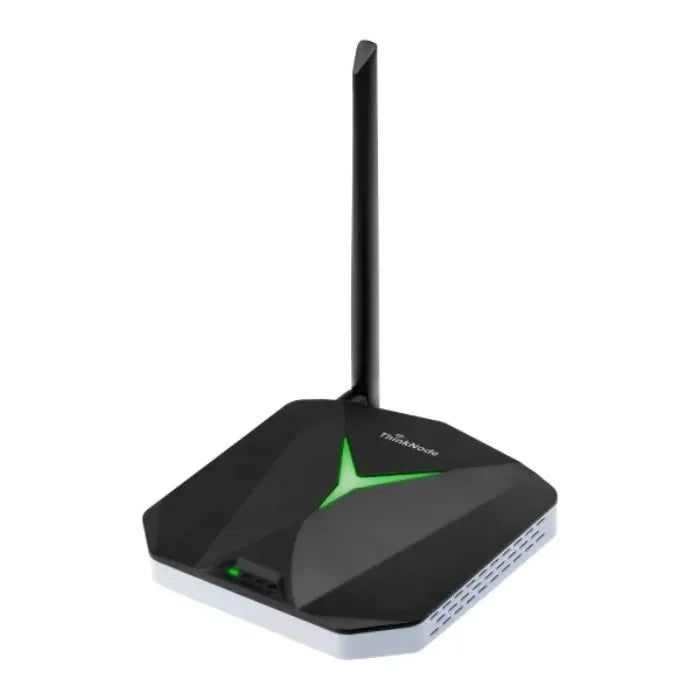
Plan gateways, sensors, trackers, antennas, and accessories for real LoRaWAN deployments with volume pricing, hardware selection support, and procurement help for pilots, field rollouts, and wholesale orders.
Start with LoRaWAN fundamentals, choose the right hardware path, then move into practical deployment tutorials.
Use these articles to build a clear foundation before selecting hardware or planning a deployment.
These guides help narrow down the hardware choices that matter for range, installation, maintenance, and deployment scale.
Follow these tutorials when you are ready to assemble a proof of concept, test coverage, or plan a small deployment.
LoRaWAN hardware must match the regional channel plan used in the deployment area. Use this table to choose the right gateway, module, tracker, and antenna frequency.
| LoRaWAN Band | Formal Channel Plan | Typical Market | Frequency Range |
|---|---|---|---|
| EU868 | EU863-870 | Europe | 863-870 MHz |
| US915 | US902-928 | United States / North America | 902-928 MHz |
| AU915 | AU915-928 | Australia / New Zealand | 915-928 MHz |
| AS923 | AS923-1 | Many Asia-Pacific markets | 915-928 MHz |
| AS923-2 | AS923-2 | Selected Asia-Pacific markets | 915-928 MHz |
| AS923-3 | AS923-3 | Selected Asia-Pacific markets | 915-928 MHz |
| AS923-4 | AS923-4 | Selected Asia-Pacific markets | 917-920 MHz |
| CN470 | CN470-510 | China | 470-510 MHz |
| IN865 | IN865-867 | India | 865-867 MHz |
| KR920 | KR920-923 | Korea | 920.9-923.3 MHz |
| RU864 | RU864-870 | Russia | 864-870 MHz |
| EU433 | EU433 | Selected regions / niche deployments | 433-434 MHz |
Always confirm the local frequency plan and product variant before ordering. Regional rules, duty-cycle limits, and certification requirements may differ by country or deployment environment.
Everything you need to know about the network, hardware, and setup.
This is one of the most common problems in LoRaWAN deployments. In most cases, the issue comes from a mismatch in regional band, channel plan, join settings, or device credentials. Before assuming the hardware is defective, check whether the device, gateway, network server, and antenna are all configured for the same LoRaWAN region, and whether the device is using the correct join method and keys.
This usually means the radio link is working, but the network-layer configuration is not fully correct. Typical causes include wrong device registration, incorrect ABP settings, missing channel definitions, or application-side decoding and routing issues. In other words, "the gateway sees traffic" does not always mean "the application is receiving valid LoRaWAN data."
For most modern LoRaWAN deployments, OTAA is the preferred option because it is more scalable, easier to manage, and better aligned with normal network behavior. ABP may still be used in some controlled environments, but it often causes more confusion around channels, counters, and downlinks if not configured very carefully. If you are building a new project, OTAA is usually the safer choice.
This is another very common LoRaWAN issue. In many cases, uplinks appear normal but downlinks fail because of incorrect RX window settings, unsuitable data rate configuration, incomplete ABP channel setup, or gateway/network timing mismatches. If your use case depends on acknowledgements, commands, or remote control, make sure your setup is not only sending uplinks, but also properly handling downlinks.
That depends on your project. If you are building a proof of concept in an area with stable existing LoRaWAN coverage, public infrastructure may be enough to get started. But for commercial, industrial, or reliability-sensitive deployments, having your own gateway is often the better choice because it gives you more predictable coverage, easier testing, and more control over the deployment environment.
Range is affected by much more than transmit power alone. Antenna matching, installation height, enclosure design, gateway placement, local interference, terrain, and legal operating limits all matter. A LoRaWAN setup that works well on the bench may behave very differently in a real deployment, so coverage planning should always be based on the final environment rather than on marketing range numbers.


 Dev Board
Display
Wireless & IoT
Camera
Edge AI Camera
General Camera
Embedded Camera
Depth & LiDAR Camera
Camera Accessory
Power
Geek
Dev Board
Display
Wireless & IoT
Camera
Edge AI Camera
General Camera
Embedded Camera
Depth & LiDAR Camera
Camera Accessory
Power
Geek