openelab.de
 openelab.com




































📚 Technical Documents & Drivers
Bestsellers


EU
EU
EU
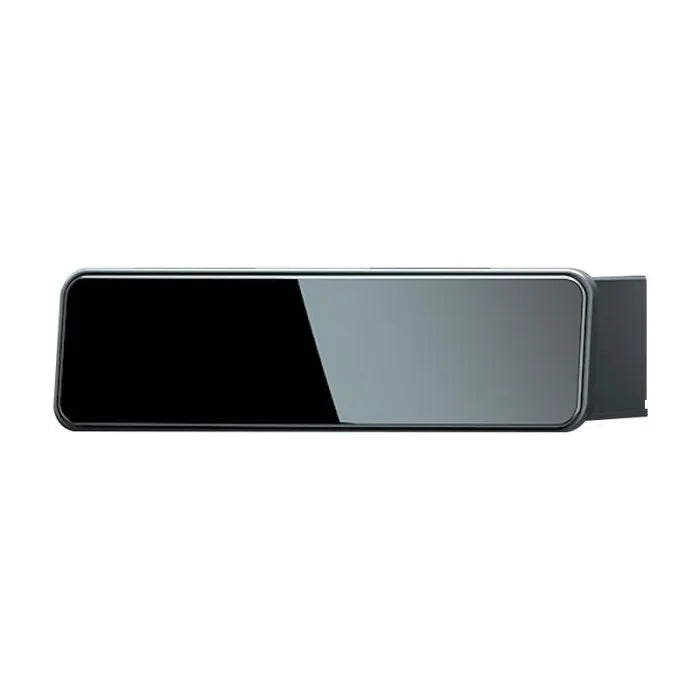
RoboSense E1R Solid-State LiDAR Ultra Wide Automotive-Grade Real-Time 3D Vision
Sale price
1.141,85 € - 1.313,85 €

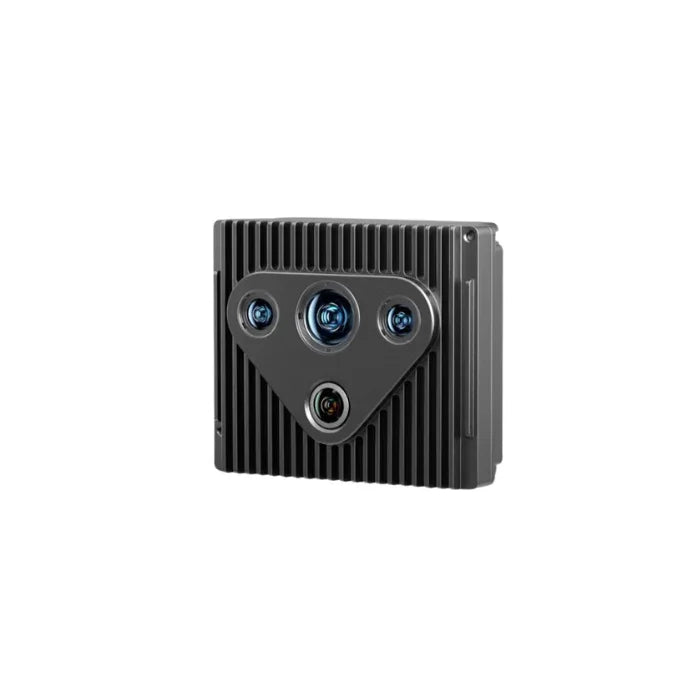
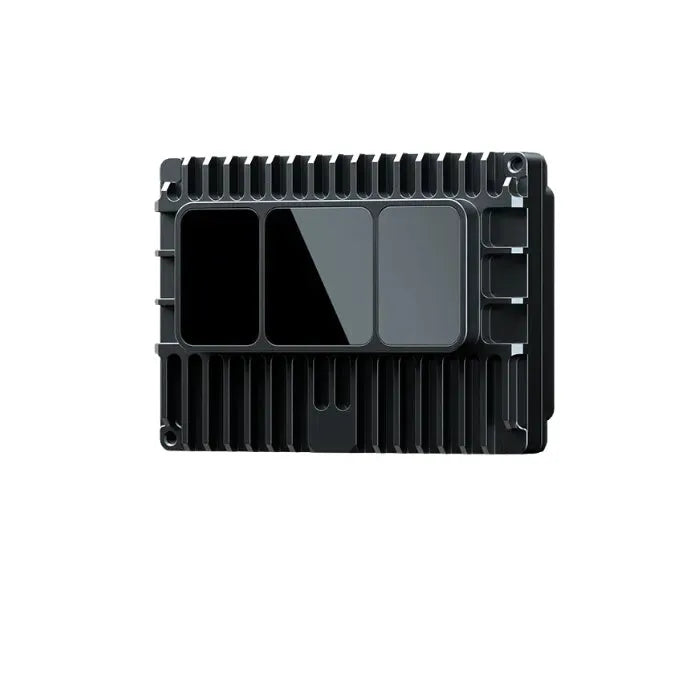
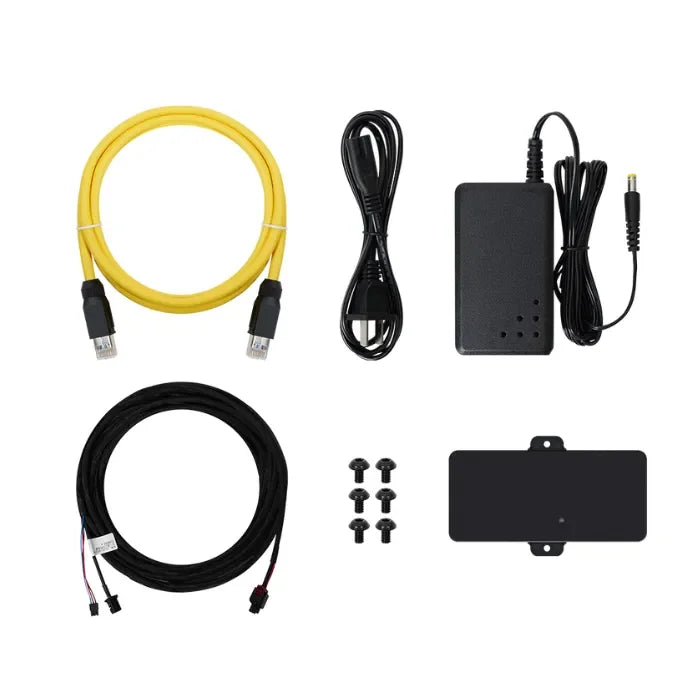
RoboSense Active Camera AC1 LiDAR Depth Camera Intelligent Robot Vision
Regular price
3.148,95 €
Sale price
3.049,00 €
EU
RoboSense — FAQ
What industries and application scenarios are RoboSense LiDAR sensors mainly suitable for?
RoboSense provides industry-leading smart LiDAR systems widely used in autonomous driving (passenger and commercial vehicles), robotics (AGV/AMR, quadruped robots), UAV mapping, smart transportation, and industrial automation. Whether navigating complex urban roads or operating in harsh industrial environments, they provide stable, high-precision 3D perception capabilities.
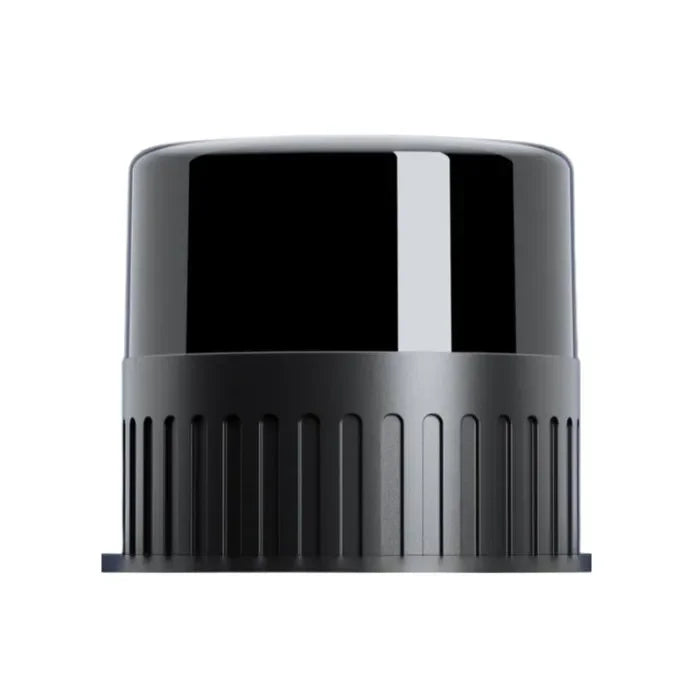
What are the core advantages of the Airy 96-Channel Hemispherical Digital LiDAR?
The Airy features 96 laser channels and a unique ultra-wide hemispherical field of view (FOV). Utilizing an advanced pure-solid-state digital LiDAR architecture, it is not only exceptionally compact and power-efficient but also capable of capturing extremely rich, high-resolution 3D point cloud data. This makes it an ideal choice for autonomous vehicle blind-spot detection, panoramic mapping, and robot navigation in complex terrains.
What specific pain points is the AC1 Lidar Depth Camera designed to solve?
The AC1 is engineered for high-precision near-to-mid-range depth perception. Compared to traditional pure vision (camera) solutions, it is completely unaffected by ambient light—performing flawlessly in strong glare or total darkness—and outputs high-quality depth images and 3D point clouds with ultra-low latency. It excels in precise obstacle avoidance, target grasping for robotic arms, and high-precision indoor/outdoor mapping.
For my project, how should I choose between the AC1 and the Airy 96?
This depends entirely on your core perception requirements: Choose Airy 96: If your equipment requires omnidirectional, large-scale ambient perception and excellent blind-spot coverage (e.g., side/rear perception for autonomous vehicles, or 360-degree obstacle avoidance for UAVs). Choose AC1: If you are focusing on high-frame-rate, high-precision depth data acquisition in a specific, targeted direction. It is perfect for detailed forward collision avoidance, object recognition, or robotic arm guidance (e.g., forward main perception for warehousing AGVs).
Are these LiDAR products developer-friendly for secondary development and system integration?
Absolutely. RoboSense offers an extremely developer-friendly hardware and software ecosystem. Our sensors fully support ROS/ROS2 (Robot Operating System) and come equipped with comprehensive C++/Python SDKs along with detailed technical documentation. You can seamlessly and quickly integrate the captured point cloud data into your existing autonomous driving algorithms or robot control systems.