openelab.de
 openelab.com





















































1. 🚀 Bridging Theory and Practice
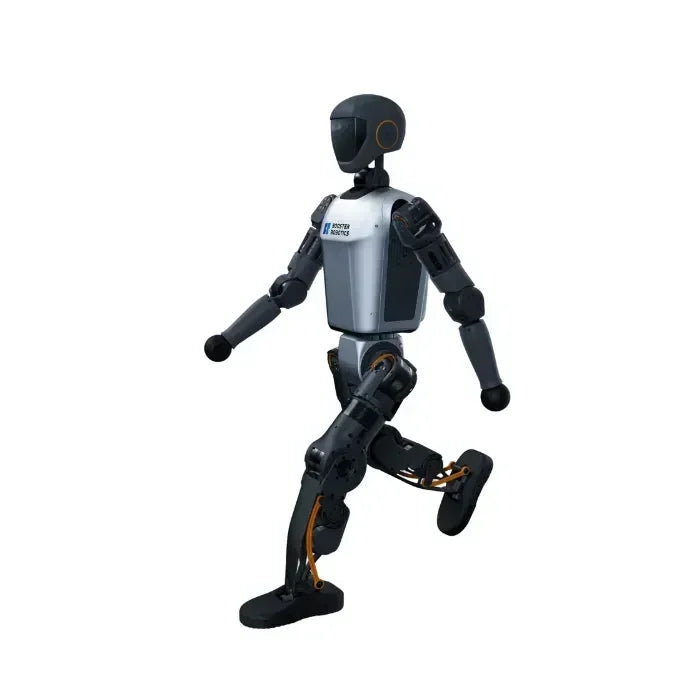
Humanoid robots are designed to replicate human motion, but acrobatic maneuvers such as a front flip push the boundaries of robotics. This capability demonstrates the integration of theoretical kinematics with real‑world control systems, requiring precise synchronization between mathematical modeling, mechanical engineering, and adaptive algorithms.
Such research is not only about acrobatics; it is about proving that robots can achieve dynamic stability, energy efficiency, and human‑like agility in unpredictable environments.
2. 📐 Theoretical Kinematics — Motion Equations and Dynamics
The kinematic foundation of a front flip involves several mathematical principles:
-
📈 Equations of motion: Define angular velocity, acceleration, and trajectory.
-
⚖️ Center of mass dynamics: Determines stability during rotation.
-
🔄 Angular momentum conservation: Ensures rotation continues without external torque.
-
🧮 Inverse kinematics: Calculates joint angles for coordinated limb movement.
-
🧠 Dynamic modeling: Incorporates non‑linear effects such as air resistance and joint elasticity.
In theory, the robot must generate sufficient vertical impulse to achieve lift, while simultaneously initiating rotational momentum to complete the flip.
3. ⚙️ Mechanical Requirements — Translating Theory into Hardware
Theoretical models must be supported by robust hardware:
-
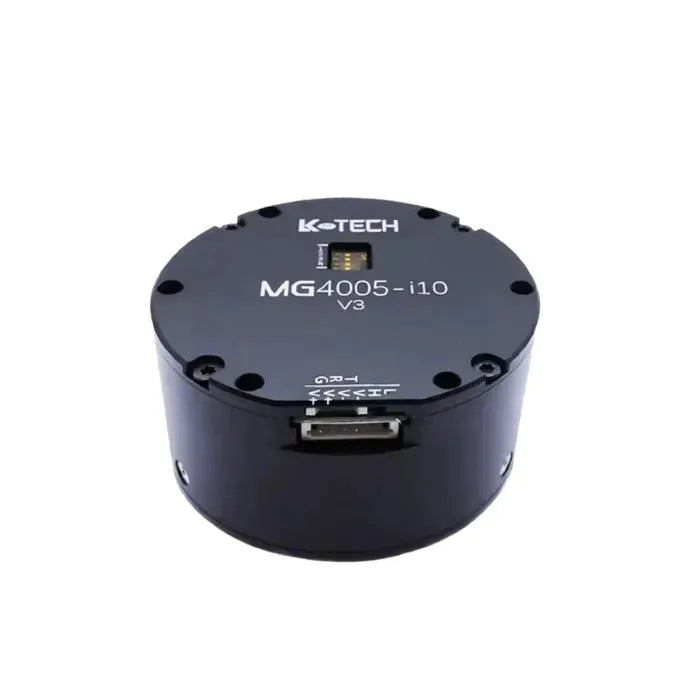
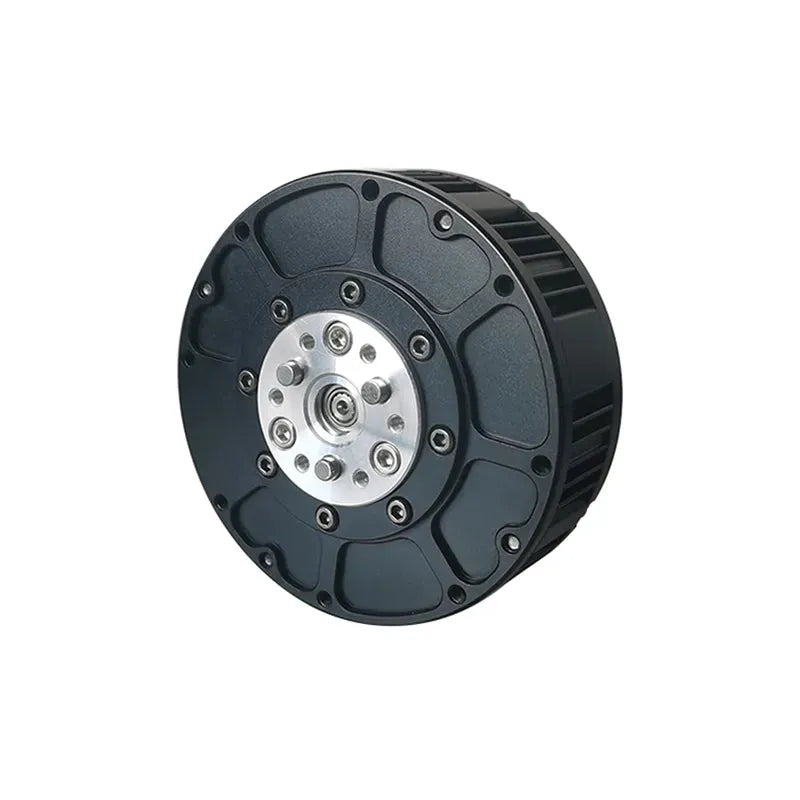
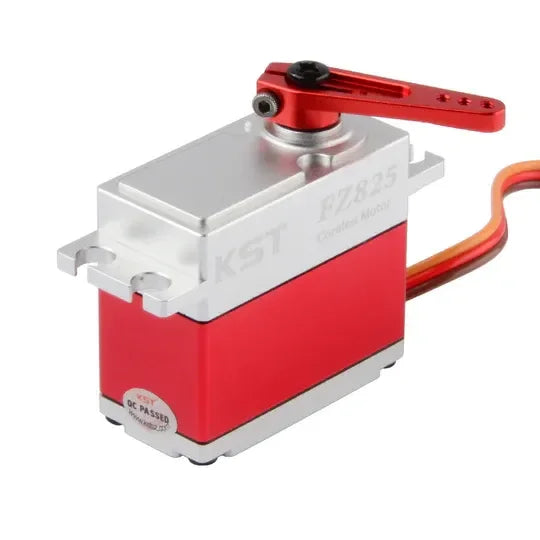
🔩 Actuators: High‑torque motors provide explosive force for take‑off.
-
🧱 Frame materials: Carbon fiber and aluminum alloys balance rigidity and weight.
-
⚖️ Joint design: Bearings and linkages must withstand repeated high‑impact cycles.
-
🔋 Energy systems: Batteries must deliver short bursts of high current without overheating.
-
🪛 Shock absorption: Mechanical dampers reduce stress during landing.
Without these mechanical reinforcements, theoretical kinematics cannot be realized in practice.
4. 🧠 Real‑World Control — Algorithms and Feedback Systems
Control systems bridge the gap between mathematical prediction and physical execution:
-
🎯 Trajectory planning algorithms: Define rotation path and landing coordinates.
-
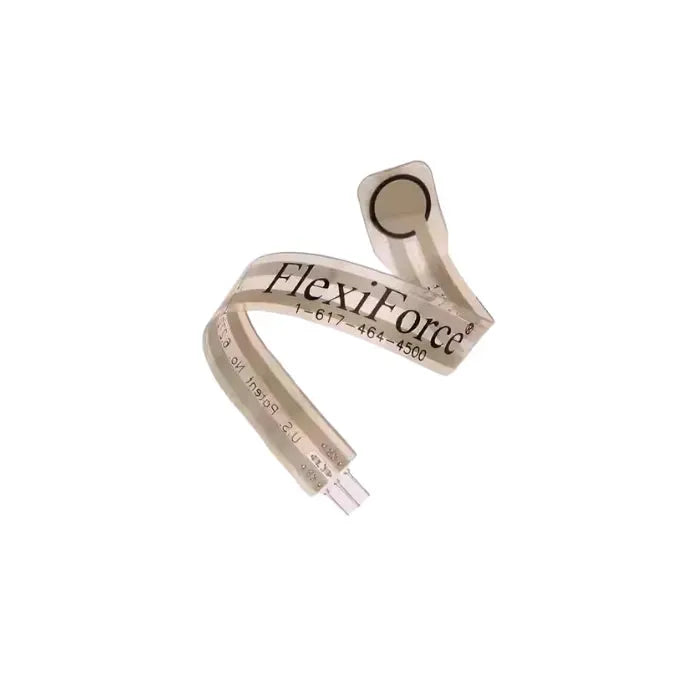
📡 Sensor feedback loops: Gyroscopes, accelerometers, and force sensors provide real‑time data.
-
🛡️ Landing stability control: Predictive models distribute impact forces across joints.
-
🤖 Machine learning adaptation: Robots refine performance through iterative trials.
-
🔄 Dynamic re‑calibration: Adjusts limb positions mid‑air to maintain balance.
-
🧩 Hybrid control systems: Combine classical PID control with reinforcement learning for robustness.
5. 📊 Integrated Dynamics — Step‑by‑Step Flip Process
| Phase | Kinematic Principle | Control Action | Mechanical Requirement |
|---|---|---|---|
| 🚀 Take‑off | Newton’s Third Law | Actuators push ground with maximum force | High‑torque motors |
| 🔄 Rotation | Angular momentum | Mid‑air body tuck accelerates rotation | Lightweight frame |
| ⚖️ Balance | Center of mass | Sensors adjust limb positions dynamically | Optimized design |
| 🛬 Landing | Impact absorption | Control system distributes forces safely | Shock‑absorbing joints |
6. 🧩 Applications — Why Acrobatic Robots Matter
Humanoid robots capable of acrobatics demonstrate engineering maturity and enable:
-
🚑 Search & rescue robotics: Navigating collapsed structures, jumping obstacles.
-
🛡️ Defense robotics: Agile maneuvers in complex terrain.
-
🎭 Entertainment robotics: Stunt performances, sports simulations, theme park attractions.
-
🧪 Biomechanics research: Validating human motion models and exoskeleton design.
-
🏭 Industrial robotics: Agile robots for hazardous environments where humans cannot operate safely.
7. 🌍 Future Research Directions
To advance humanoid robot acrobatics, future research must address:
-
🔋 Energy optimization: Reducing power consumption during explosive movements.
-
🧠 AI‑driven control: Reinforcement learning for adaptive motion strategies.
-
⚙️ Material innovation: Smart materials with self‑healing properties for repeated stress cycles.
-
📡 Sensor fusion: Combining multiple sensor inputs for higher accuracy.
-
🌐 Collaborative robotics: Teams of robots performing coordinated acrobatics for complex tasks.
8. 🧾 Conclusion — From Equations to Execution
The front flip dynamics in humanoid robots illustrate how theoretical kinematics can be successfully translated into real‑world control systems. This achievement highlights progress in:
-
📐 Mathematical modeling
-
⚙️ Mechanical engineering
-
🧠 Control algorithms
-
🔋 Energy management
✨ Key takeaway: The humanoid robot front flip is evidence of engineering maturity, showing how theory and practice unite to enable next‑generation agile robotics.