openelab.de
 openelab.com











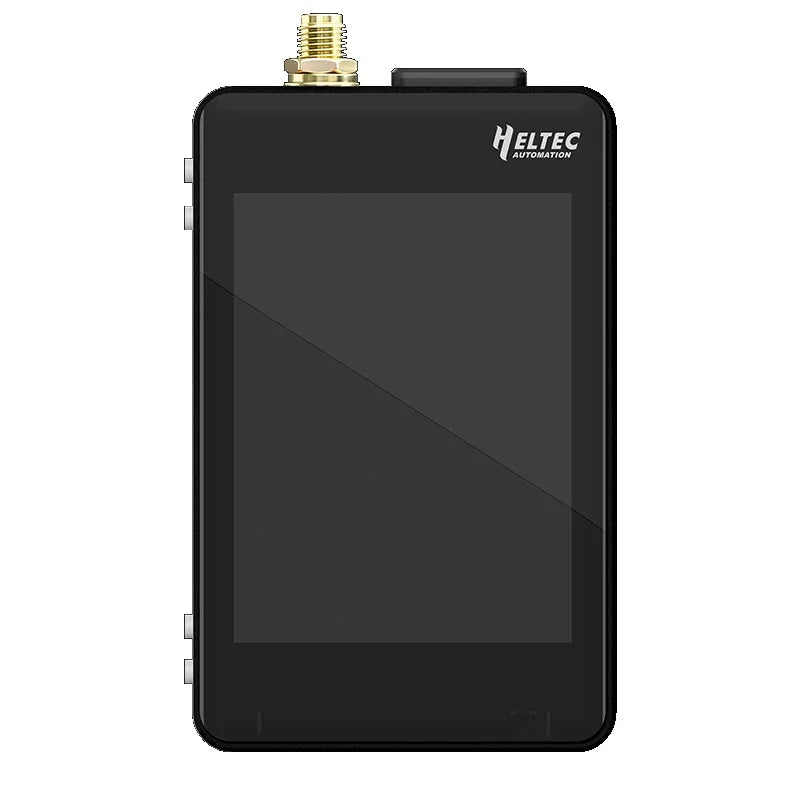
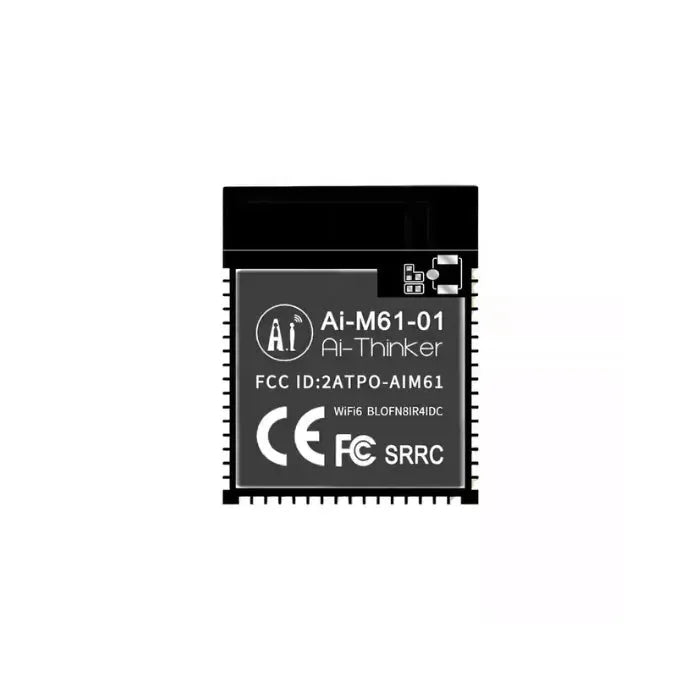





















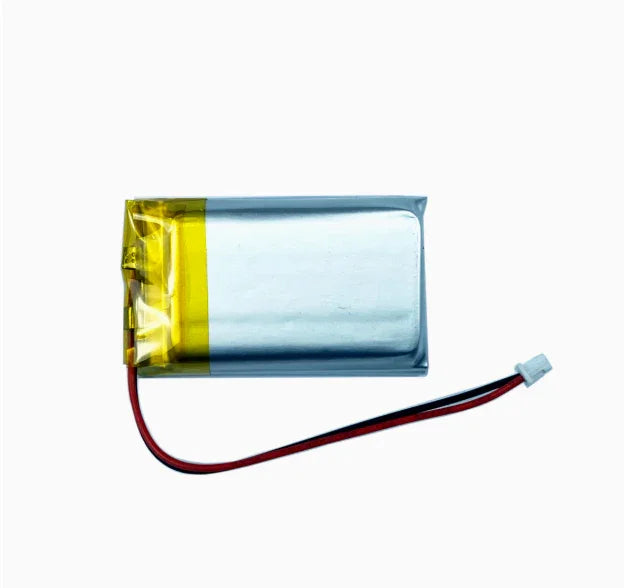
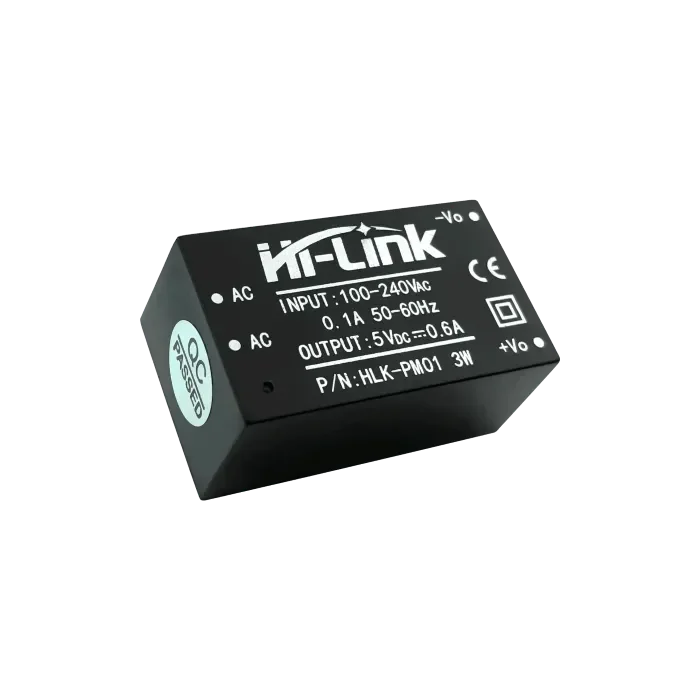

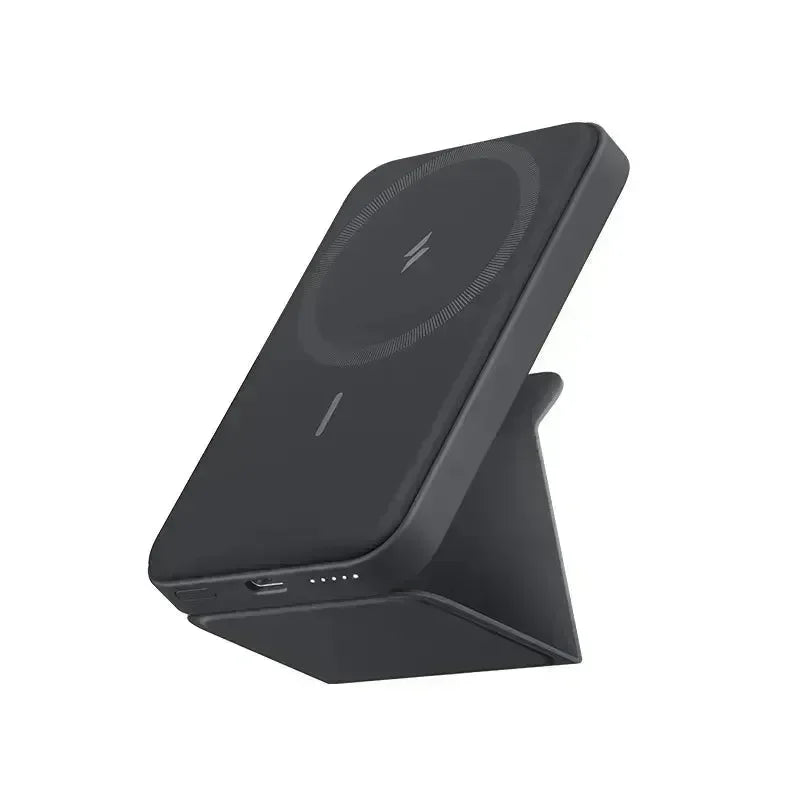
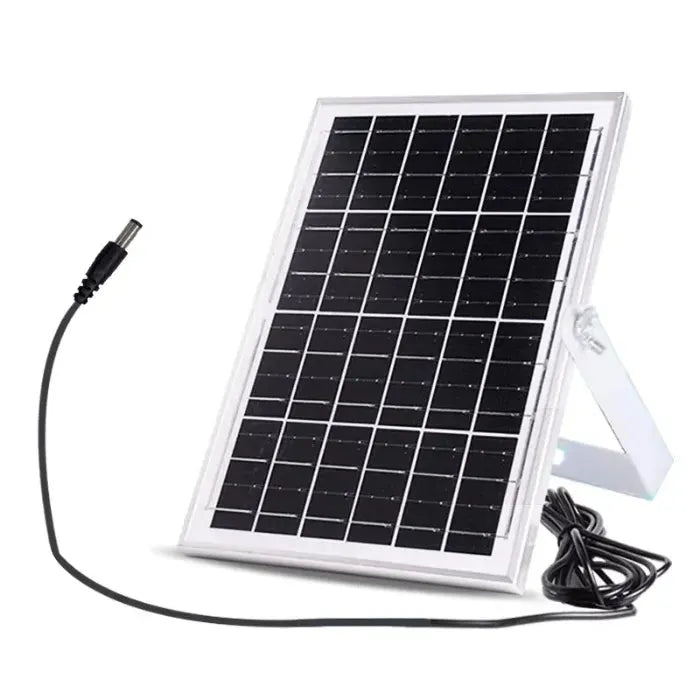





What is the HELTEC WiFi LoRa 32 V4? It's a next-generation IoT development board powered by the ESP32-S3R2 dual-core processor and SX1262 LoRa transceiver, designed for long-range, low-power wireless communication applications including Meshtastic mesh networks, LoRaWAN deployments, and remote sensor systems. This compact yet powerful board integrates Wi-Fi, Bluetooth 5.0, and LoRa connectivity with 2MB PSRAM and 16MB Flash, making it ideal for complex IoT projects requiring reliable off-grid communication capabilities.
The HELTEC WiFi LoRa 32 V4 represents a significant evolution from its predecessor, the V3 model, introducing enhanced RF performance with up to 28dBm transmit power, improved memory capacity, solar charging capability, and dedicated GPS interface support. Whether you're building smart agriculture solutions, remote monitoring systems, or mesh communication networks, this development board delivers the performance, flexibility, and reliability that modern IoT applications demand.
What is HELTEC WiFi LoRa 32 V4?
The HELTEC WiFi LoRa 32 V4 is a highly integrated development board manufactured by HELTEC Automation, a leading provider of IoT communication solutions. Built around the powerful ESP32-S3R2 microcontroller and SX1262 LoRa transceiver, this board combines three essential wireless technologies—Wi-Fi, Bluetooth, and LoRa—into a single compact package measuring just 51.7 × 25.4 × 10.7mm.
At its core, the V4 is designed to address the growing demand for long-range, low-power communication in IoT applications where traditional Wi-Fi or cellular connectivity is impractical or cost-prohibitive. The board's SX1262 LoRa chipset enables communication ranges of up to several kilometers in open conditions, while consuming minimal power—making it perfect for battery-operated remote sensors, agricultural monitoring systems, and off-grid mesh networks.
What sets the V4 apart from previous generations is its substantial hardware upgrades. The ESP32-S3R2 processor delivers enhanced AI acceleration capabilities through its vector instructions, while the external 16MB Flash and 2MB PSRAM provide ample storage and memory for complex applications. The board also introduces several practical improvements including gold-plated pins for better durability, a PC casing with integrated FPC antenna, and expanded peripheral interfaces including solar panel and GPS connections.
The WiFi LoRa 32 V4 maintains pin compatibility with its V3 predecessor, ensuring existing projects can be easily migrated while taking advantage of the new features. This backward compatibility, combined with comprehensive Arduino IDE support and extensive documentation, makes the V4 an excellent choice for both newcomers to LoRa development and experienced engineers seeking a reliable, feature-rich platform.
Technical Specifications
The HELTEC WiFi LoRa 32 V4 packs impressive hardware specifications that position it among the most capable LoRa development boards in its class. Understanding these specifications is crucial for evaluating whether this board meets your project requirements.
Processor and Memory
The board is powered by the ESP32-S3R2, a dual-core Xtensa LX7 processor running at up to 240MHz. This advanced microcontroller includes:
- Dual-core Xtensa 32-bit LX7 architecture with five-stage pipeline
- 2MB PSRAM (Pseudo-Static RAM) for demanding applications
- 16MB external Flash memory—double the V3's capacity
- 384KB ROM and 512KB SRAM for program execution
- 16KB RTC SRAM for deep sleep retention
- AI acceleration via vector instructions in the CPU
This substantial memory configuration enables the V4 to handle complex protocols, user interfaces, and data processing tasks that would overwhelm lesser-equipped boards. The external 16MB Flash is particularly valuable for applications requiring over-the-air (OTA) updates or storing large datasets locally.
Wireless Connectivity
The WiFi LoRa 32 V4 excels in wireless communication capabilities, featuring three distinct radio systems:
LoRa (Long Range): The integrated SX1262 transceiver supports:
- Frequency ranges: 433MHz, 470-510MHz, and 863-928MHz (region-dependent)
- High-power version: 28±1 dBm maximum transmit power
- Low-power version: 21±1 dBm maximum transmit power
- Receiving sensitivity: -137dBm@SF12 BW=125KHz
- Support for LoRaWAN Class A/B/C protocols
- Compatible with Meshtastic mesh networking firmware
Wi-Fi: 802.11 b/g/n support with data rates up to 150Mbps, enabling easy integration with existing network infrastructure and cloud services.
Bluetooth: Bluetooth 5, Bluetooth LE (Low Energy), and Bluetooth Mesh support for short-range device communication and configuration.
Peripheral Interfaces
The V4 expands upon the V3's interface options with 40 pins (up from 36), providing enhanced connectivity:
- 7× ADC1 + 2× ADC2 analog input channels
- 7× Touch sensing inputs
- 3× UART serial interfaces
- 2× I2C bus interfaces
- 2× SPI bus interfaces
- Type-C USB interface for power and programming
- SH1.25-2Pin lithium battery interface with charging
- SH1.25-2Pin solar panel interface (4.7-6V input)
- SH1.25-8Pin GNSS/GPS module interface
- IPEX connectors for LoRa and 2.4GHz antennas
Display and Physical Design
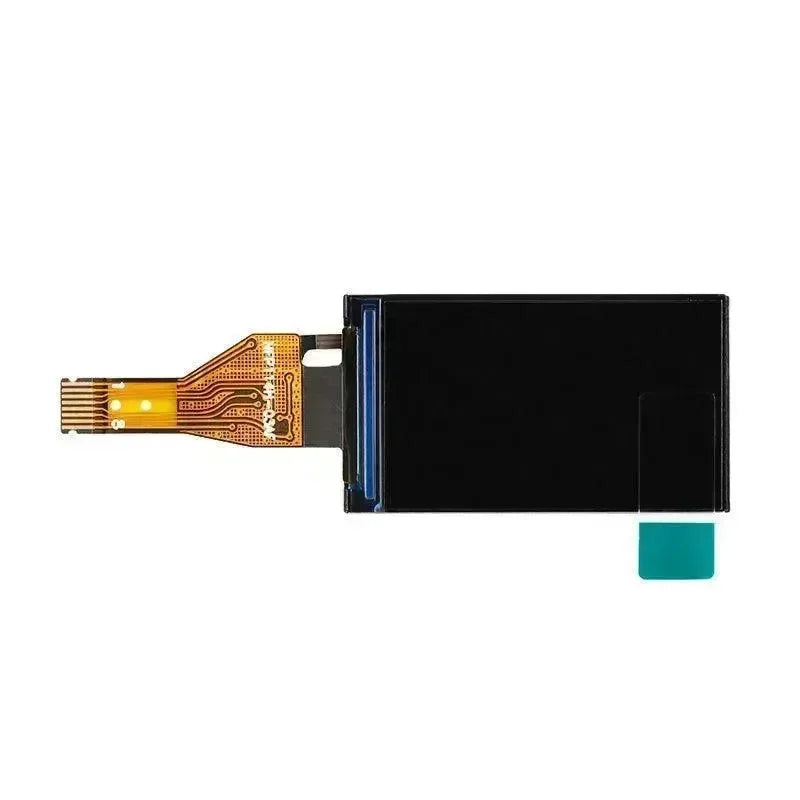
The board features a 0.96-inch OLED display with 128×64 resolution, connected via both soldering and B2B connector for flexibility. The PC casing provides full protection for the screen while integrating an FPC 2.4GHz antenna—a significant upgrade from the V3's metal spring antenna. Gold-plated pins ensure long-term reliability and optimal electrical conductivity.
Power Specifications
- Operating voltage: 3.3-4.4V (lithium battery compatible)
- Deep sleep current: Less than 20μA
- Operating temperature: -20°C to 70°C
- Integrated battery management with overcharge protection
- Automatic USB/battery power switching
Key Features and Improvements Over V3
The HELTEC WiFi LoRa 32 V4 introduces several meaningful upgrades over the popular V3 model, addressing user feedback and advancing the platform's capabilities for demanding IoT applications.
Enhanced Processing Power and Memory
The most significant internal upgrade is the transition from the ESP32-S3FN8 to the ESP32-S3R2. While both are capable dual-core processors, the S3R2 variant includes 2MB of integrated PSRAM—essential for applications requiring buffer space for LoRaWAN packet processing, display framebuffers, or complex data structures. The external Flash memory has doubled from 8MB to 16MB, providing ample room for larger applications, multiple firmware images for OTA updates, and data logging.
This memory expansion is particularly valuable for Meshtastic deployments, where the firmware has grown increasingly feature-rich, and for LoRaWAN applications that may need to queue significant amounts of data during network outages.
Significantly Increased Transmit Power
Perhaps the most impactful RF improvement is the boost in maximum transmit power from 21dBm (V3) to 28dBm (V4)—a gain of approximately 5 times the output power. This translates to substantially improved range and penetration:
- Extended communication range in open terrain
- Better building penetration for indoor/outdoor applications
- Improved link reliability at the edges of coverage areas
- Ability to maintain connections with lower spreading factors (faster data rates)
For Meshtastic users, this means more reliable mesh networking with fewer hops required to reach distant nodes. For LoRaWAN deployments, it enables communication with distant gateways that might be out of reach for lower-power devices.
Solar Power Integration
The V4 introduces a dedicated SH1.25-2Pin solar panel interface supporting 4.7-6V input, combined with an upgraded battery management IC capable of handling solar charging. This feature is transformative for remote, unattended deployments:
- Continuous operation without battery replacement
- Environmentally sustainable power solutions
- Reduced maintenance costs for field deployments
- Ideal for agricultural sensors, weather stations, and remote monitoring
The solar charging circuitry is designed to work seamlessly with the existing battery management system, providing overcharge protection and automatic power source switching.
GNSS/GPS Interface
A new SH1.25-8Pin interface enables direct connection to GPS/GNSS modules, with individually controllable power management. This opens applications requiring location awareness:
- Asset tracking and geofencing
- Mobile sensor platforms
- Location-aware mesh networking
- Time synchronization for data logging
The individually controllable GNSS power allows the GPS to be completely shut down when not needed, preserving battery life in applications where location is only periodically required.
Improved RF Design
The V4 replaces the V3's metal spring 2.4GHz antenna with an integrated FPC (Flexible Printed Circuit) antenna housed within the PC casing. This design:
- Provides more consistent antenna performance
- Reduces mechanical vulnerability
- Improves aesthetics and protection
- Maintains an IPEX connector for external antenna options
The LoRa antenna continues to use an IPEX connector, allowing users to select appropriate antennas for their specific frequency band and range requirements.
Enhanced Build Quality
Physical improvements include gold-plated pins replacing the V3's silver plating, offering superior oxidation resistance and conductivity. The screen bracket now provides full protection rather than partial coverage, and the B2B connector for the display offers more reliable connections than soldered alternatives.
Applications and Use Cases
The versatility of the HELTEC WiFi LoRa 32 V4 enables a wide spectrum of IoT applications, from hobbyist projects to industrial deployments. Its combination of long-range communication, low power consumption, and substantial processing power addresses many scenarios where traditional wireless technologies fall short.
Meshtastic Mesh Networks
Meshtastic is an open-source project that transforms LoRa-capable devices into an off-grid, encrypted mesh messaging network. The WiFi LoRa 32 V4 is officially supported by the Meshtastic project and represents an excellent platform for building mesh network nodes:
- Emergency Communication: Create text messaging networks that function without cellular infrastructure during disasters or in remote areas
- Outdoor Recreation: Maintain communication with hiking or camping groups in areas without cell coverage
- Community Networks: Build neighborhood communication systems independent of internet service providers
- Event Coordination: Deploy temporary communication networks at festivals, races, or outdoor events
The V4's enhanced 28dBm transmit power significantly improves mesh network performance, allowing messages to hop across greater distances with fewer intermediate nodes.
LoRaWAN IoT Deployments
For professional IoT applications, the V4 supports the LoRaWAN protocol, enabling connection to public or private LoRaWAN networks:
- Smart Agriculture: Soil moisture monitoring, weather stations, livestock tracking, and irrigation control systems
- Environmental Monitoring: Air quality sensors, water quality monitoring, and wildlife tracking
- Smart Buildings: Occupancy sensors, energy monitoring, and facility management systems
- Industrial IoT: Equipment monitoring, predictive maintenance, and supply chain tracking
The board's solar charging capability and sub-20μA sleep current make it particularly well-suited for remote agricultural and environmental monitoring applications where battery replacement is impractical.
Remote Sensor Networks
The V4's rich peripheral interface and low power consumption enable sophisticated sensor networks:
- Weather Stations: Collect temperature, humidity, pressure, wind speed, and precipitation data from remote locations
- Water Management: Monitor reservoir levels, flow rates, and water quality in distribution systems
- Forest Fire Detection: Deploy smoke and temperature sensors in fire-prone areas
- Structural Health Monitoring: Track vibration, strain, and displacement in bridges and buildings
GPS-Enabled Tracking
With the dedicated GNSS interface, the V4 enables location-aware applications:
- Asset Tracking: Monitor the location of valuable equipment, vehicles, or containers
- Pet and Livestock Tracking: Create GPS collars with LoRa backhaul for range animals
- Drone and Robot Navigation: Provide positioning for autonomous mobile platforms
- Geofencing: Create alerts when assets enter or leave defined areas
Home Automation and Smart Cities
The combination of Wi-Fi, Bluetooth, and LoRa enables hybrid connectivity solutions:
- Smart Metering: Collect utility data from difficult-to-reach meters
- Parking Management: Detect available parking spaces and guide drivers
- Waste Management: Monitor fill levels in dumpsters and optimize collection routes
- Street Lighting: Control and monitor municipal lighting infrastructure
Development Environment and Software Support
The HELTEC WiFi LoRa 32 V4 benefits from extensive software support, making it accessible to developers with varying levels of experience. HELTEC Automation provides comprehensive libraries and documentation, while the ESP32 ecosystem offers additional resources.
Arduino IDE Support
HELTEC officially recommends the Arduino IDE for WiFi LoRa 32 V4 development, providing:
- Board support package with pre-configured settings
- LoRa and LoRaWAN libraries optimized for the SX1262
- OLED display drivers and examples
- Wi-Fi and Bluetooth example sketches
- Battery management and power control utilities
The Arduino framework abstracts much of the hardware complexity while still allowing low-level access when needed. This makes the V4 accessible to beginners while remaining powerful enough for professional applications.
Alternative Development Platforms
Beyond Arduino, the V4 supports multiple development environments:
- PlatformIO: A professional IDE with advanced debugging capabilities
- MicroPython: Python scripting for rapid prototyping
- Espressif IDF: Official ESP32 SDK for maximum control
- VS Code with ESP-IDF Extension: Modern development workflow
Meshtastic Firmware
For mesh networking applications, the Meshtastic firmware provides a complete, ready-to-use solution:
- Pre-built binaries available for the WiFi LoRa 32 V4
- Mobile apps for iOS and Android configuration
- Web-based configuration interface
- AES-256 encrypted messaging
- GPS integration for location sharing
Installing Meshtastic is straightforward using the web flasher or command-line tools, making it possible to deploy a functional mesh network node in minutes.
LoRaWAN Stack
For LoRaWAN applications, HELTEC provides Arduino libraries implementing the Class A/B/C protocol stack:
- Compatible with major LoRaWAN networks (The Things Network, ChirpStack, etc.)
- Over-the-air activation (OTAA) and activation by personalization (ABP) support
- Adaptive data rate (ADR) implementation
- Confirmed and unconfirmed message types
Note that LoRaWAN operation requires device activation through HELTEC's license system, with unique device identifiers assigned to each board.
Getting Started with WiFi LoRa 32 V4
Setting up the HELTEC WiFi LoRa 32 V4 for development is straightforward, though there are a few important steps to ensure proper operation.
Hardware Setup
The V4 package includes the development board, LoRa antenna, battery connectors, and pin headers. Before first use:
- Attach the LoRa antenna to the IPEX connector—operating without an antenna can damage the RF circuitry
- If using the 2.4GHz FPC antenna (default), no additional connection is needed
- For external 2.4GHz antennas, modify the PCB jumpers as described in the documentation
- Connect a lithium battery (3.3-4.4V) to the SH1.25-2Pin connector for portable operation
Driver Installation
The V4 eliminates the CP2102 USB-to-UART chip found in the V3, using the ESP32-S3's native USB support instead. Most modern operating systems recognize the device automatically, but Windows users may need to install drivers from Silicon Labs if using certain USB-to-serial adapters.
Arduino IDE Configuration
To program the V4 with Arduino:
- Add the ESP32 board support package to Arduino IDE
- Add HELTEC's board manager URL for specific V4 support
- Select "WiFi LoRa 32 V4" from the board menu
- Choose the correct COM port
- Install HELTEC's ESP32 library for LoRa and OLED functions
Entering Bootloader Mode
If automatic programming fails, manually enter bootloader mode:
- Hold the PRG button while connecting USB, then release PRG
- Or connect USB, hold PRG, press RST once, then release PRG
First Program
A simple test program to verify operation:
- Upload the OLED "Hello World" example to test the display
- Run the LoRa sender/receiver examples with two boards
- Test Wi-Fi connectivity with the scan networks example
- Verify battery charging by measuring voltage with a multimeter
Comparison with Related Products
Understanding how the WiFi LoRa 32 V4 compares to alternatives helps determine if it's the right choice for your project.
HELTEC WiFi LoRa 32 V3 vs V4
| Feature | V3 | V4 |
|---|---|---|
| MCU | ESP32-S3FN8 | ESP32-S3R2 |
| Flash | 8MB integrated | 16MB external |
| PSRAM | None | 2MB |
| Max TX Power | 21±1 dBm | 28±1 dBm |
| Solar Input | Not available | SH1.25-2P interface |
| GPS Interface | Not available | SH1.25-8Pin interface |
| Pin Count | 36 pins | 40 pins |
| Pin Plating | Silver | Gold |
| USB Chip | CP2102 | Native USB (no CP2102) |
The V4 is the clear choice for new projects, while V3 users benefit from code compatibility when upgrading.
Alternative HELTEC Products
HELTEC offers several related products for different use cases:
HELTEC Wireless Stick V3: A more compact alternative (58.08 × 22.6mm) with similar capabilities but a smaller 0.49-inch OLED display. Ideal for space-constrained applications.
HELTEC Wireless Stick Lite V3: A streamlined version without OLED display for cost-sensitive applications where a screen isn't needed. Features the same ESP32-S3FN8 and SX1262 combination.
HELTEC Wireless Shell V3: A compact module (38.4 × 16.1mm) designed for integration into custom PCBs. Features stamp-hole mounting instead of headers.
HELTEC Wireless Tracker: Similar to the WiFi LoRa 32 but with integrated UC6580 GNSS chip for GPS/GLONASS/BeiDou positioning. Ideal for tracking applications without requiring an external GPS module.
Competing Products
Compared to other LoRa development boards:
- LILYGO T-Beam: Similar features with integrated GPS but larger form factor
- TTGO LoRa32: Lower cost alternative with fewer features and less documentation
- Arduino MKR WAN 1310: Lower power consumption but less processing power and no display
- Raspberry Pi Pico with LoRa HAT: More flexible but requires assembly and lacks integration
The WiFi LoRa 32 V4 strikes an excellent balance of features, integration, documentation, and price.
Pros and Cons
Based on hands-on experience and community feedback, here are the key advantages and limitations of the HELTEC WiFi LoRa 32 V4:
Advantages
- Exceptional RF Performance: The 28dBm transmit power provides best-in-class range for a development board
- Versatile Connectivity: Wi-Fi, Bluetooth, and LoRa in one device enable hybrid network architectures
- Solar Ready: Built-in solar charging support simplifies remote deployments
- Ample Memory: 16MB Flash and 2MB PSRAM handle demanding applications with ease
- Excellent Documentation: HELTEC provides comprehensive guides, examples, and schematics
- Active Community: Strong user base with forums, Discord channels, and project sharing
- Meshtastic Certified: Official support ensures compatibility with latest firmware
- Quality Construction: Gold-plated pins and PC casing indicate attention to durability
- Backward Compatible: V3 projects can migrate with minimal code changes
- GPS Expansion: Dedicated interface enables location-aware applications
Limitations
- LoRaWAN Licensing: Requires device activation through HELTEC's system for LoRaWAN operation
- No Integrated GPS: Unlike the Wireless Tracker, GPS requires an external module
- Power Consumption: The 28dBm TX mode draws significant current—battery life calculations must account for this
- Single Band: Each board supports specific frequency bands—ensure you purchase the correct version for your region
- Size: Larger than minimal modules like the Wireless Shell for space-constrained designs
- USB-C Only: No Micro-USB option for legacy cable compatibility
Conclusion
The HELTEC WiFi LoRa 32 V4 represents a significant advancement in accessible LoRa development platforms. By addressing the limitations of the V3 while maintaining compatibility, HELTEC has created a board that serves both newcomers to IoT and experienced developers building production systems.
The combination of ESP32-S3R2 processing power, SX1262 LoRa performance, and thoughtful hardware features like solar charging and GPS expansion creates a versatile foundation for countless IoT applications. Whether you're experimenting with Meshtastic mesh networks, deploying agricultural sensors, or building smart city infrastructure, the V4 provides the connectivity, processing, and power management capabilities required for success.
For projects requiring long-range wireless communication without cellular infrastructure costs, the WiFi LoRa 32 V4 is among the best-equipped development boards available. Its active community support, comprehensive documentation, and proven reliability make it a sound investment for both prototyping and production deployments.
If you're considering the HELTEC WiFi LoRa 32 V4 for your next project, explore the related products in the HELTEC ecosystem to find the optimal configuration for your specific requirements. The Wireless Tracker offers integrated GPS, while the Wireless Stick Lite provides a cost-effective alternative for display-free applications.
FAQ - Frequently Asked Questions
What is the maximum communication range of the HELTEC WiFi LoRa 32 V4?
The WiFi LoRa 32 V4 can achieve communication ranges of up to 5-10 kilometers in open rural terrain with the high-power version (28dBm) and appropriate antennas. In urban environments with obstacles, expect 1-3 kilometers. Range depends on spreading factor, bandwidth settings, antenna quality, and environmental conditions. Using lower data rates (higher spreading factors) increases range at the cost of transmission time and power consumption.
Is the WiFi LoRa 32 V4 compatible with Meshtastic?
Yes, the WiFi LoRa 32 V4 is fully compatible with Meshtastic firmware. HELTEC and the Meshtastic project maintain official support for this board. Installation is straightforward using the Meshtastic web flasher or mobile apps. The V4's enhanced 28dBm transmit power makes it particularly effective for Meshtastic mesh networks, providing better range and reliability than lower-power alternatives.
Can I use the V4 with LoRaWAN networks?
Yes, the WiFi LoRa 32 V4 supports LoRaWAN Class A/B/C protocols and can connect to public networks like The Things Network or private ChirpStack deployments. However, LoRaWAN operation requires device activation through HELTEC's license system. Each board has a unique identifier that must be registered to obtain the necessary activation keys. HELTEC provides Arduino libraries and examples for LoRaWAN development.
How do I power the WiFi LoRa 32 V4 for remote deployments?
The V4 offers multiple power options ideal for remote operation. The SH1.25-2Pin battery connector accepts 3.3-4.4V lithium batteries with integrated charging management. For solar-powered deployments, connect a 4.7-6V solar panel to the dedicated solar input interface. The board's sub-20μA deep sleep current enables months of operation on modest battery capacity. For always-on applications, USB-C power can be provided through a permanent installation.
What development environments are supported by the WiFi LoRa 32 V4?
The WiFi LoRa 32 V4 supports multiple development environments. The primary recommendation is the Arduino IDE, which HELTEC officially supports with board packages and libraries. For more advanced development, PlatformIO provides a professional IDE experience with debugging capabilities. MicroPython enables rapid prototyping with Python scripting. The Espressif IDF (IoT Development Framework) offers maximum control for experienced developers who need low-level hardware access.
How does the V4 compare to the V3 for existing projects?
The WiFi LoRa 32 V4 maintains pin compatibility with the V3, meaning existing projects can be migrated with minimal changes. The primary consideration is that the V4 uses native USB rather than the CP2102 chip, which may affect some serial communication setups. Code written for the V3 will generally run on the V4 without modification, though you may want to update libraries to take advantage of the V4's enhanced features like increased memory and higher transmit power.
Can I connect an external GPS module to the WiFi LoRa 32 V4?
Yes, the V4 includes a dedicated SH1.25-8Pin GNSS/GPS interface specifically designed for connecting external GPS modules. This interface supports individually controllable power management, allowing you to completely power down the GPS when not in use to conserve battery life. Compatible modules include common NMEA-output GPS receivers. For applications requiring integrated GPS without external modules, consider the HELTEC Wireless Tracker which includes a built-in UC6580 GNSS chip.
What is the difference between the high-power and low-power versions of the V4?
The WiFi LoRa 32 V4 is available in two RF power variants. The high-power version supports up to 28±1 dBm transmit power, providing maximum range and penetration for demanding applications. The low-power version is limited to 21±1 dBm, similar to the V3, which reduces power consumption and may be preferred for battery-sensitive applications where maximum range isn't required. Both versions offer the same -137dBm receiving sensitivity and support the same frequency bands.
Where can I find documentation and support for the WiFi LoRa 32 V4?
HELTEC provides comprehensive documentation for the WiFi LoRa 32 V4 through their official documentation portal. Resources include datasheets, schematic diagrams, pin maps, Arduino library references, and example code. The HELTEC website offers firmware downloads and hardware update logs. Community support is available through the Meshtastic Discord server, HELTEC forums, and various maker communities. For technical support, HELTEC maintains email support channels and GitHub repositories for their open-source libraries.
Is the WiFi LoRa 32 V4 suitable for commercial products?
Yes, the WiFi LoRa 32 V4 is suitable for commercial product development. The board carries CE certification and uses industrial-grade components with an operating temperature range of -20°C to 70°C. The gold-plated pins and quality construction ensure reliability in production environments. For volume manufacturing, HELTEC also offers the Wireless Shell module which can be integrated directly into custom PCB designs. Note that commercial LoRaWAN deployments require proper device activation through HELTEC's licensing system.
What frequency bands are available for the WiFi LoRa 32 V4?
The WiFi LoRa 32 V4 is available in multiple regional variants to comply with local radio regulations. Common options include 433MHz (Asia, Africa), 470-510MHz (China, parts of Asia), 868MHz (Europe), and 915MHz (North America, Australia). It's important to purchase the correct frequency version for your region to ensure legal operation and compatibility with local LoRaWAN networks. The specific frequency is typically indicated in the product SKU or description when purchasing.