openelab.de
 openelab.com




































Meshtastic Antenna Selection & Setup Guide
The standard antennas bundled with T-Beam and similar boards often come from assorted sources. They may not be properly tuned for your frequency band and can lack consistent design quality. Choosing an antenna that matches your transceiver’s frequency and is built with the right specifications is essential for reliable performance.
The design of an antenna directly impacts:
-
Efficiency – how much of the signal is actually radiated
-
Transmission pattern – the direction in which energy is sent
-
Polarization effects – interference caused by horizontal or vertical orientation
-
Reflected power – the portion of signal bouncing back into the device
Caution: Even though LoRa radios used in Meshtastic are low power, never operate them without a properly matched antenna. Running without an antenna can cause reflected energy to damage the hardware.
Key Considerations
Transmission Frequency
Your device must operate on the correct frequency to communicate with others. Refer to The Things Network for country‑specific frequency allocations.
Mobility and Transport
Large directional antennas provide extended range but require precise alignment, making them unsuitable for portable use. A tuned half‑wave whip offers better omni‑directional coverage than a quarter‑wave stubby, though it is more noticeable when carried. Many compact antennas also rely on ground planes for optimal performance.
Coverage Direction
Human bodies don’t significantly block LoRa signals, but walls and buildings do. If an antenna is mounted against a wall, signals directed toward it will be weakened or lost.
Device Compatibility
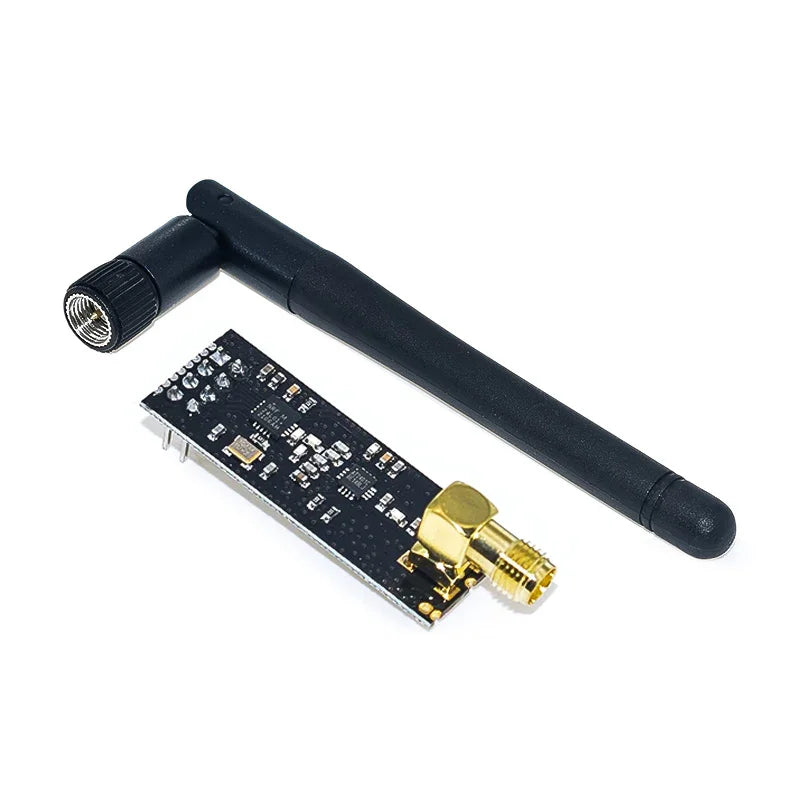
Meshtastic radios typically require 50 Ohm impedance and an SMA connector. Antennas designed for LoRa will specify these details. Avoid mismatched antennas such as those intended for short‑range PAN systems or high‑power transmitters.
Cost and Supplier Reliability
A theoretically perfect antenna with poor reviews or long shipping times is less useful than a locally sourced option with complete datasheets and immediate availability. Paying more for dependable service often saves time and ensures quality.
Proximity to the Device
Long cables can reduce signal strength. It is usually better to place the node outdoors rather than indoors with an external antenna. Use the shortest possible low‑loss cable if extreme weather requires indoor placement. A proper enclosure helps protect against environmental conditions.
References
For further reading, see the Wikipedia entry for Antenna and the Wikipedia entry for LoRa. A highly recommended resource is this tutorial by Andreas Spiess.