openelab.de
 openelab.com


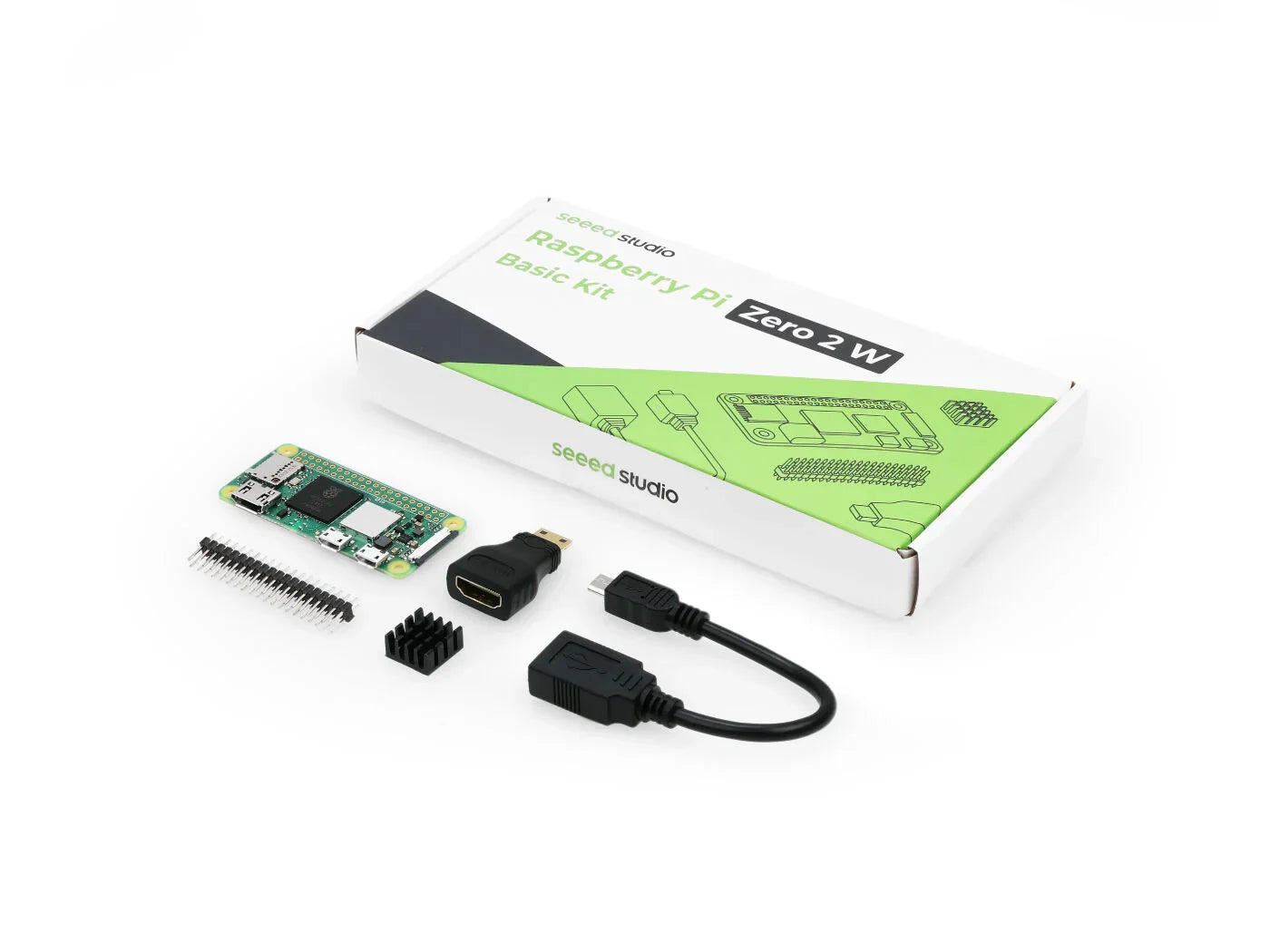
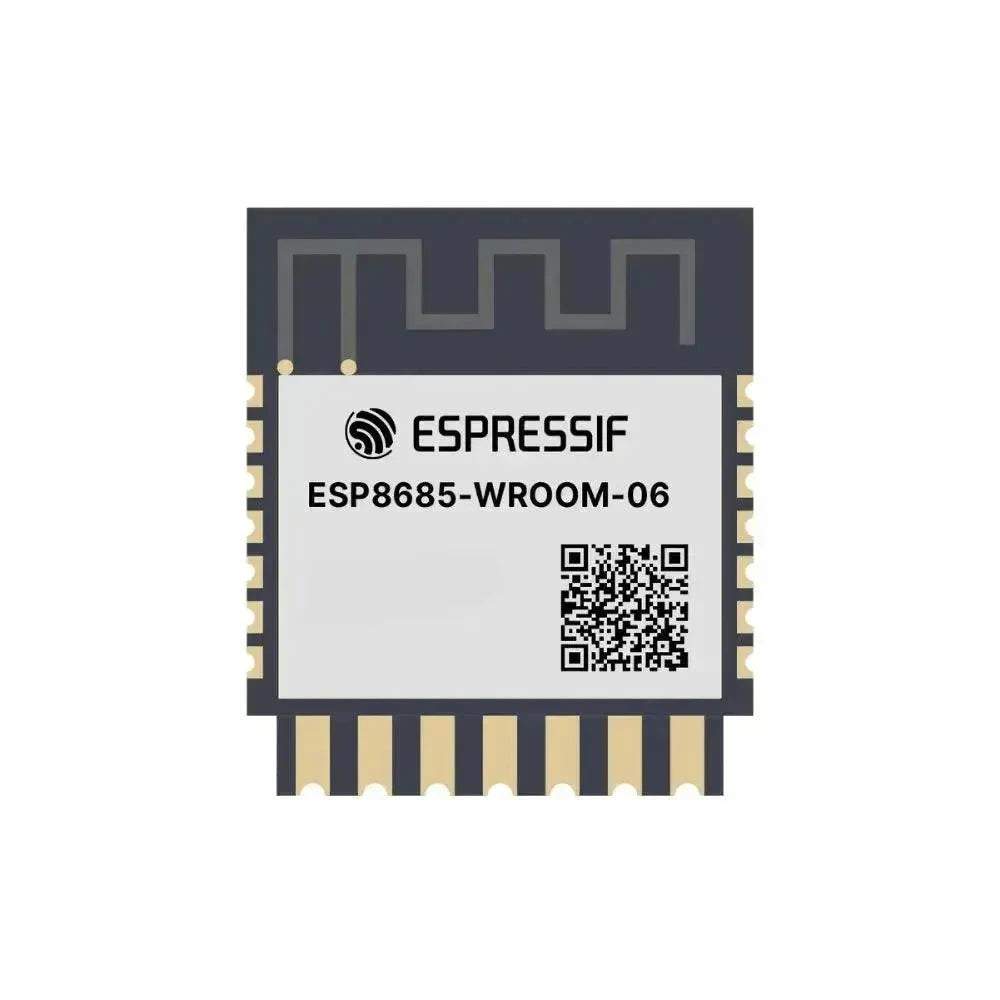

























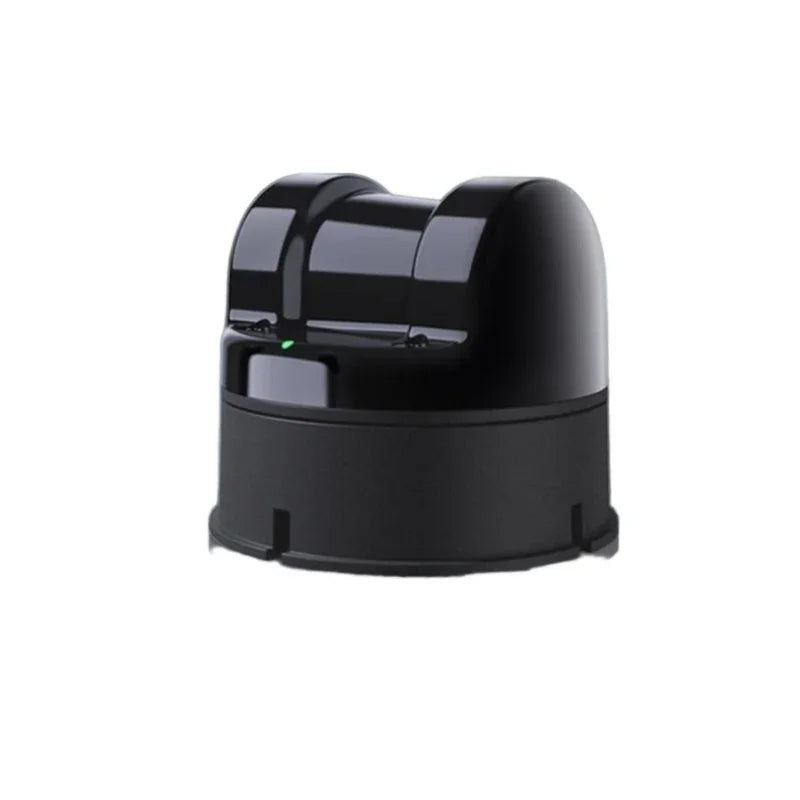













ORBBEC Gemini 305 and Intel RealSense SR305 may look like they belong in the same short-range category, but they come from very different generations and very different design goals.
SR305 is an older RealSense short-range camera based on coded light / structured light. It works best indoors, at short range, and in relatively controlled lighting. It has been used for gesture tracking, facial analytics, AR-style interaction, and close-range motion sensing. Gemini 305 is a newer stereo vision camera designed specifically for robotic wrist mounting. It is much more about cobots, humanoid hands, close-up grasping, and dynamic robotic motion.
So the better question is not "which short-range camera is better?" It is whether you need an interaction camera, or a robot wrist camera.
For the product pages, start with ORBBEC Gemini 305 on OpenELAB and Intel RealSense SR305 on OpenELAB.
Quick answer
Choose ORBBEC Gemini 305 if your project is robotic gripping, wrist-mounted perception, close-range cobot work, or humanoid manipulation.
Choose Intel RealSense SR305 if your project is really about short-range indoor interaction, gesture tracking, face-related sensing, or legacy structured-light workflows in controlled lighting.
For modern robotics, Gemini 305 is usually the stronger choice. For old SR305-style interaction use, SR305 can still make sense.
Start with the task distance and motion
SR305 is built around structured light at short range. It is good when the scene is close, controlled, and mostly indoor. Its role has often been desktop interaction, kiosk sensing, face capture, and gesture recognition.
Gemini 305 is built around close-range robotic action. ORBBEC positions it for 4 cm to 100 cm+ imaging, robotic wrist mounting, global-shutter depth and color, and sub-millimeter accuracy around 15 cm. That is a very different kind of problem.
Once the camera moves with the robot, or the target object moves quickly, global shutter and motion compatibility matter a lot more than they do in an SR305-style interaction setup.
Specs that matter
| Category | ORBBEC Gemini 305 | Intel RealSense SR305 |
|---|---|---|
| Depth technology | Stereo Vision | Coded Light / Structured Light |
| Main role | Robotic wrist close-range vision | Indoor short-range interaction and motion sensing |
| Operating range | 4 cm to 100 cm+ | 0.2 m to 1.5 m |
| Ideal range | 7 cm to 50 cm | Short-range indoor use |
| Baseline | 18 mm | Structured-light module |
| Depth FoV | 88 deg x 65 deg | 69 deg x 54 deg |
| Depth resolution | Up to 1280 x 800 | 640 x 480 |
| Depth frame rate | Up to 60 fps depending on mode | Up to 60 fps |
| RGB | Global shutter RGB | 1080p RGB |
| IMU | Not the main positioning | No IMU |
| Best environment | Robotic close-range work, indoor/outdoor | Indoor controlled lighting |
Why Gemini 305 is a strong SR305 alternative
Gemini 305 makes more sense when the camera is part of the robot's hand-eye system.
That is the big shift.
SR305 belongs to an older RealSense world where short-range depth was often about interaction and motion sensing near a person. Gemini 305 belongs to a newer robot vision world where the camera sits near the end effector, looks at the object from a very close distance, and needs to keep up while the robot moves.
That changes what matters:
- minimum working distance
- wrist-mount weight
- global shutter behavior
- close-range accuracy
- synchronization
- stable color-plus-depth in dynamic scenes
If the real target is cobot grasping or humanoid manipulation, Gemini 305 is much closer to the right answer.
For more Gemini 305 context, this OpenELAB buyer's guide is worth reading.
Where SR305 still has a role
SR305 still has a role when the use case is indoor, close-range, and interaction-heavy.
If the project is about face capture, gesture input, scene segmentation at a desk, or a kiosk-like installation, SR305's short-range structured-light behavior still fits the original design idea. It can also make sense if the application was already written and tested around the older RealSense SR30x family.
That said, it is important to keep the product generation in mind. SR305 is effectively a newer casing around the older SR300 technology, and its ecosystem and capability ceiling are more limited than the D400 stereo family or ORBBEC's newer robot-oriented cameras.
When Gemini 305 is the better choice
Choose ORBBEC Gemini 305 if:
- the camera will be mounted on a robotic wrist
- the task is close-range grasping or manipulation
- motion robustness matters
- you need very short minimum range
- global shutter depth and color are useful in your workflow
- the project is a new cobot or humanoid build
What Gemini 305 is not best at
Gemini 305 is not the most natural replacement if your project is really about short-range human interaction, gesture UI, or old SR305-style face sensing. It is more robotic and less interaction-centric.
When SR305 is still the better choice
Choose Intel RealSense SR305 if:
- the system is indoors and controlled
- the job is hand tracking, face sensing, or gesture interaction
- the application already depends on SR305/SR300-style behavior
- you do not need a camera built around robotic motion and wrist mounting
What SR305 is not best at
SR305 is not the strongest choice for modern robot wrist perception. It is older, indoor-focused, and less suited to dynamic close-range robot work than Gemini 305.
Final recommendation
Gemini 305 is a strong Intel RealSense SR305 alternative when the project is modern robotic close-range vision.
If you are building a cobot, humanoid hand-eye system, or close-range grasping setup, Gemini 305 is the more relevant camera. If your project is still more like a desktop interaction system or an old structured-light workflow, SR305 can still make sense, but it is not the stronger long-term robotics direction.
FAQ
Is Gemini 305 a direct replacement for SR305?
Not really. It replaces SR305 well for close-range robot vision, but SR305 and Gemini 305 were built for different short-range tasks.
Which one is better for robotic gripping?
Gemini 305 is clearly the better fit for robotic gripping, especially when the camera is mounted near the hand or end effector.
Which one is better for gesture interaction?
SR305 can still fit gesture and face-related interaction work better because that was much closer to its original design role.
Can SR305 work outdoors like Gemini 305?
SR305 is much more indoor-oriented. Gemini 305 is positioned much better for robotic deployment and more varied lighting.