openelab.de
 openelab.com



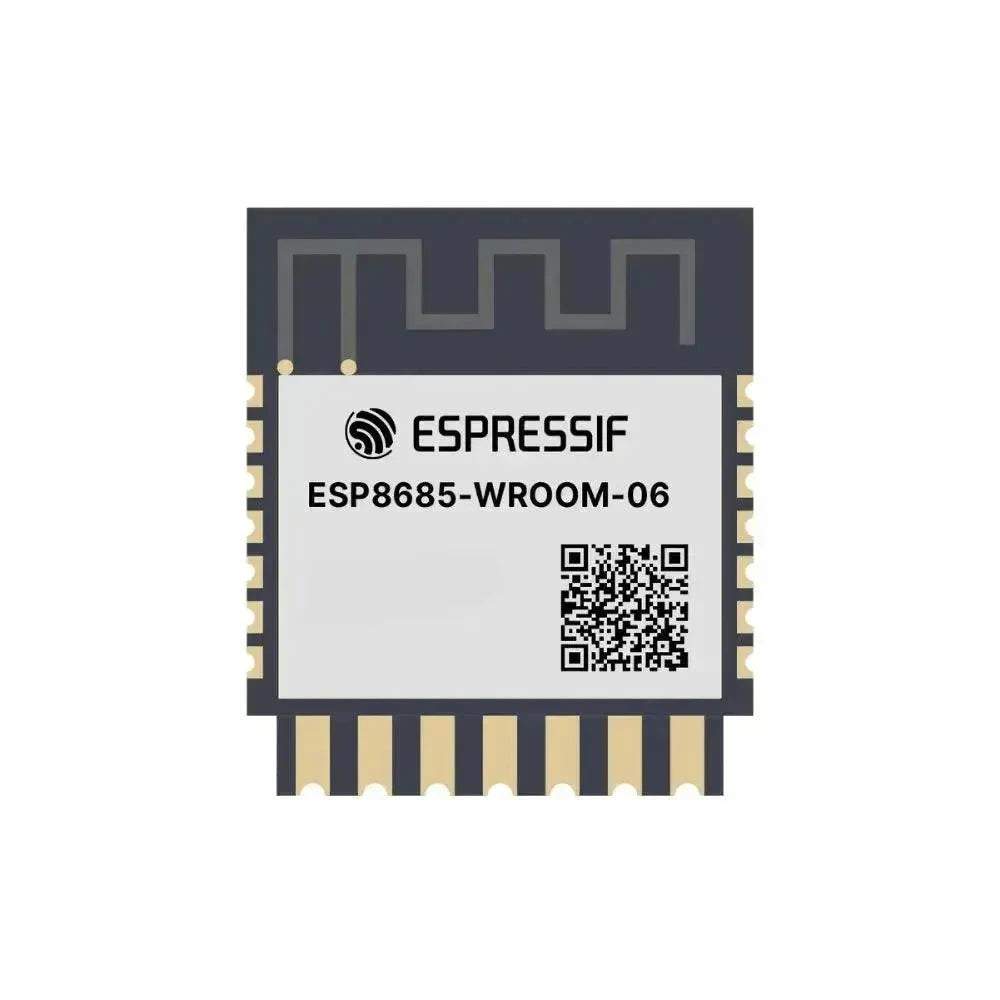


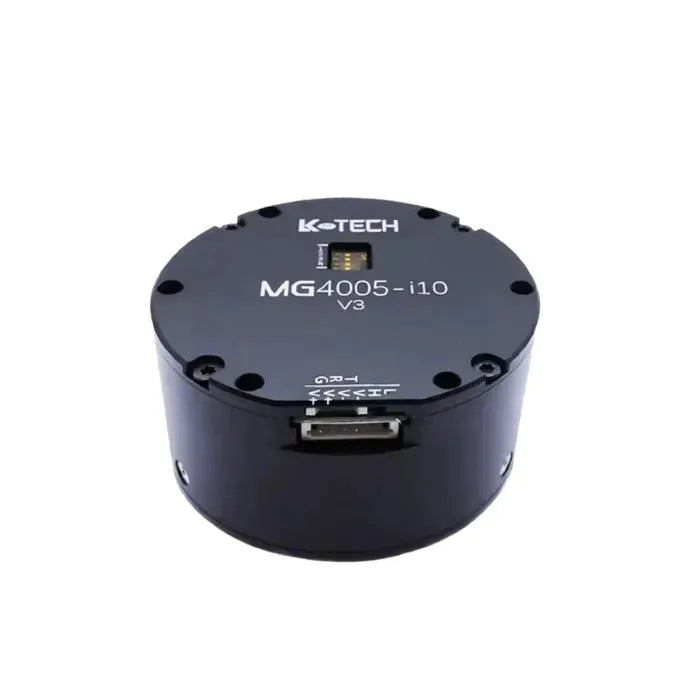








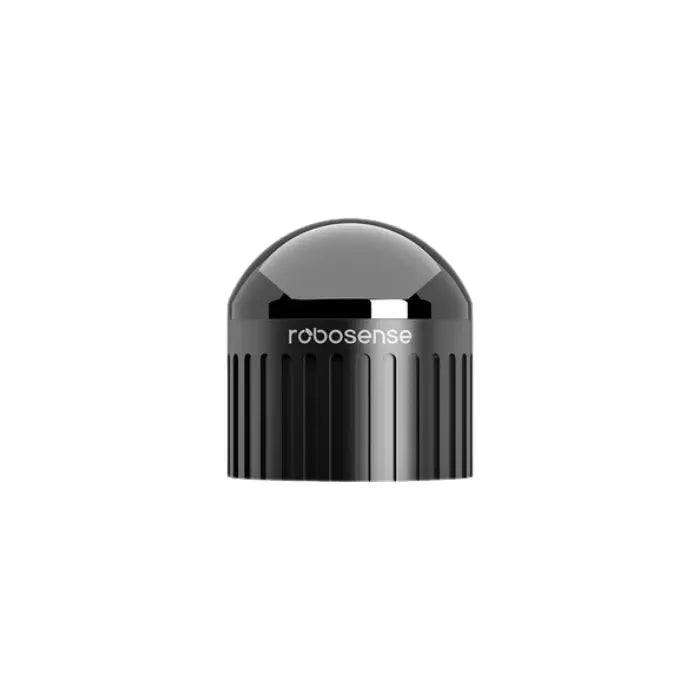



















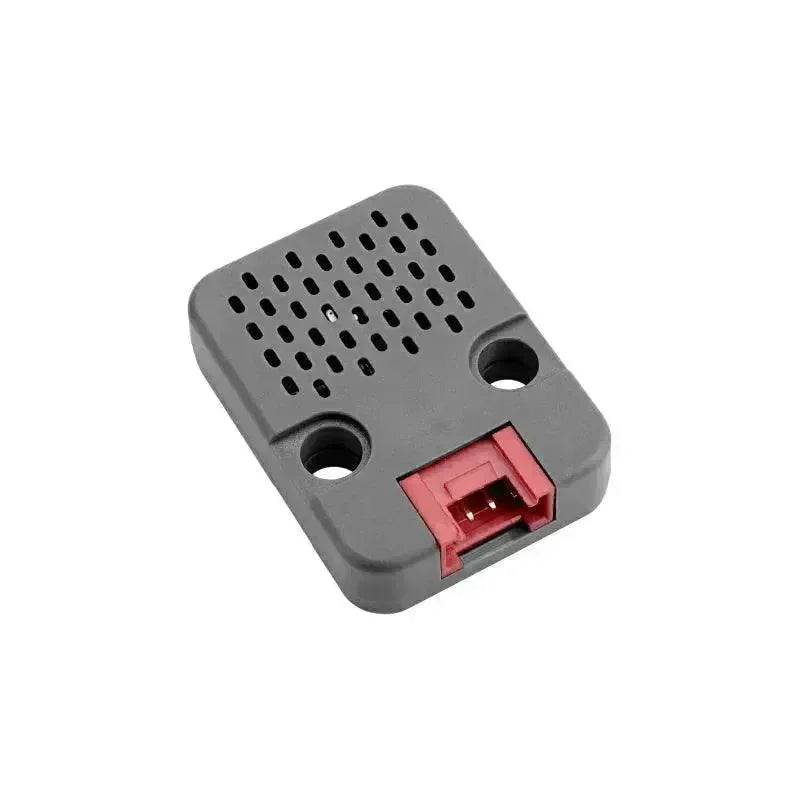
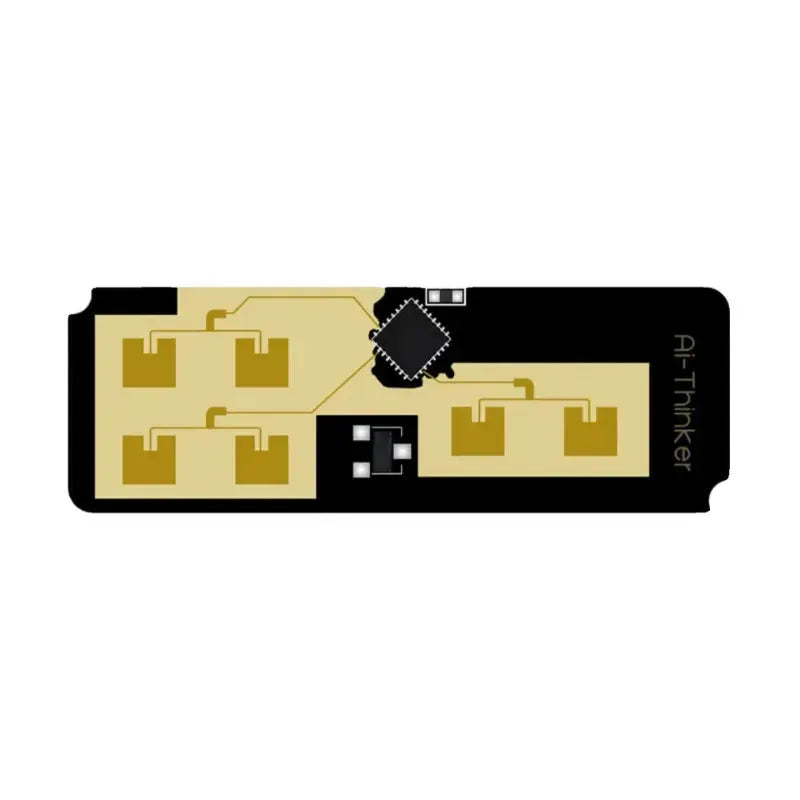



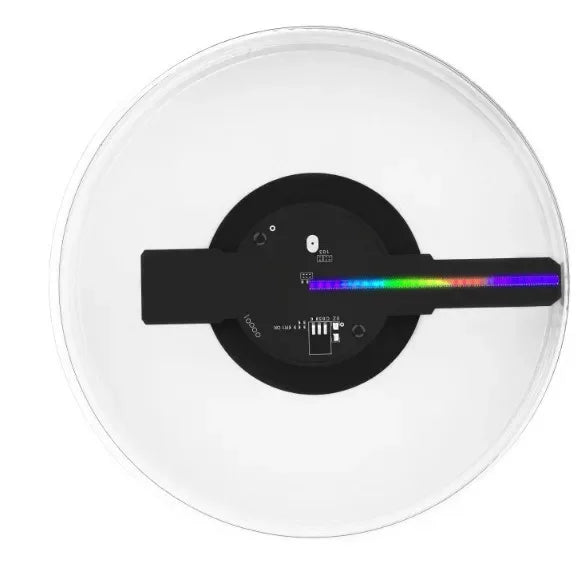


RoboSense makes some of the most capable LiDAR sensors on the market — but they also make eight of them, and choosing between them is genuinely non-trivial. An engineer building an indoor AMR has completely different requirements from a team integrating sensors into an L4 robotaxi, and picking the wrong sensor doesn't just hurt performance — it can mean the difference between a product that ships and one that doesn't.
This guide covers every RoboSense sensor currently available on OpenELAB: the E1R, Airy, Fairy, M1 Plus, EM4, EMX, RS-Helios-16P, and AC1. We've verified specs against official RoboSense datasheets and corrected several discrepancies along the way. By the end, you should know exactly which one fits your application.
The RoboSense Product Families
RoboSense organizes its portfolio into distinct families based on scanning technology and application domain. Understanding these categories is the fastest way to narrow down your options.
Indoor Robotics (Short-Range, Compact)
The E1R and Airy are purpose-built for robots that operate in human environments — warehouses, hospitals, homes, and research labs. Both use RoboSense's proprietary VCSEL + SPAD-SoC digital architecture. Neither has spinning parts. Both fit in tight spaces. The key difference is field of view: E1R covers a wide forward window (120° × 90°), while Airy covers everything — 360° horizontal and 90° vertical, hemisphere-style.
Mid-Range Outdoor and Mapping
The Fairy and RS-Helios-16P serve longer-range outdoor applications and mapping use cases. The Fairy is RoboSense's most precise mid-range sensor (±0.5 cm accuracy) with a full 360° horizontal sweep. The RS-Helios-16P is the older mechanical design — fewer beams, lower cost, widely supported in ROS, and a solid entry point for research teams and prototyping budgets.
Automotive and Long-Range (EM Platform)
The M1 Plus, EMX, and EM4 are automotive-grade sensors designed for vehicles. ASIL-B certifications, AEC-Q100 chip qualification, IP6K9K pressure-jet water resistance — these are built for production programs, not lab benches. The M1 Plus uses MEMS scanning and targets forward ADAS; the EMX and EM4 are digital-architecture sensors with dramatically higher beam counts and range.
Fusion Sensor
The AC1 is the odd one out — it's not a standalone LiDAR but a hardware-fused depth camera that combines LiDAR, RGB camera, and IMU in a single calibrated package. If your robot needs spatial awareness and visual data without the complexity of external calibration between sensors, the AC1 deserves a close look.
Full Specifications Comparison Table
All specs verified against official RoboSense datasheets and product pages. Range figures quoted at 10% NIST reflectivity where available — the realistic number, not the headline figure for bright white targets.
| Sensor | Type | Beams | FOV (H x V) | Max Range | Range @10% | Accuracy | Points/sec | Dimensions | IP Rating |
|---|---|---|---|---|---|---|---|---|---|
| E1R | Solid-state (2D electronic) | 144 | 120 x 90 deg | 75 m | 30 m | — | 260,000 | 7 x 35 x 75 mm | IP67, IP6K9K |
| Airy | Digital hemispherical | 96 / 192 | 360 x 90 deg | 60 m radius | 30 m | +/-1 cm | 860K / 1.72M | 60mm dia x 63mm H | IP67 |
| Fairy | Digital spinning 360 deg | 96 / 48 | 360 x 32 deg | 150 m | 80 m | +/-0.5 cm | 1,370,000 | 75mm dia x 70mm H | — |
| M1 Plus | MEMS solid-state | — | 120 x 25 deg | 200 m | 180 m | +/-5 cm | 787K / 1.575M | 111 x 110 x 45 mm | IP67, IP6K9K |
| EMX | Digital automotive | 192 | 140 deg H | 300 m | — | — | 2,880,000 | 120 x 80 x 30 mm | Automotive grade |
| EM4 | Digital (thousand-beam) | Up to 1080 | 120 x 27 deg | 600 m | 300 m | — | 25,920,000 | — | Automotive grade |
| RS-Helios-16P | Mechanical spinning | 16 | 360 x 30 deg | 150 m | 90 m | +/-2 cm | 288K / 576K | 97.5mm dia x 100mm H | IP67 |
| AC1 | LiDAR + RGB + IMU fusion | — | Depth: 120x60 / RGB: 144x78 | 70 m | 20 m (black) | +/-3 cm | — | — | — |
Decision Guide: Which RoboSense Sensor Should You Buy?
Start here. Pick the scenario that closest matches your project.
Research platform, tight budget, or just starting out with LiDAR?
Go with the RS-Helios-16P. It's mechanical, it's 16-beam, and it has been supported in ROS for years. The ecosystem around it is mature and well-documented. Yes, it's physically larger than everything else on this list. But for research prototyping, that trade-off is usually fine — and you'll spend far less time on driver issues and far more time on the actual perception problem you're trying to solve.
Indoor robot that needs to sense in all directions at once?
The Airy. 360° horizontal and 90° vertical coverage in a package smaller than a tennis ball. Nothing else on this list comes close for above-and-below situational awareness. AMRs navigating under shelving, quadruped robots checking for foot-level obstacles, service robots that need to detect humans approaching from any direction — this is the Airy's home turf.
Compact solid-state sensor for a robot or drone with limited mounting space?
The E1R. At just 7 mm thin, it's the flattest LiDAR you'll find. Flush-mount it behind a robot's fascia, attach it to a drone arm, or integrate it into a humanoid chest plate — it fits where other sensors don't.
Outdoor robot needing full 360° horizontal coverage and longer range?
The Fairy. 150 m maximum range, ±0.5 cm accuracy (best in this lineup), 1.37 M points/sec in 96-beam mode, full 360° horizontal sweep. This is what I'd reach for when building a delivery robot or agricultural inspection platform.
Robot that needs depth sensing and a color camera in one calibrated package?
The AC1. Hardware-level fusion of LiDAR + RGB + IMU is a compelling alternative to buying and calibrating three separate sensors, especially for manipulation or inspection tasks where color matters.
Vehicle ADAS or L2+ autonomous driving?
The M1 Plus. ASIL-B certified, MEMS-based with no spinning parts, 200 m range, IP6K9K rated for pressure washing, and a smart "GAZE" function that doubles vertical resolution in a defined ROI zone.
High-resolution automotive mid-range sensor?
The EMX. 192 real beams, 0.08° x 0.10° angular resolution, 300 m range, and the smallest form factor in the EM platform. It trades M1 Plus's MEMS compactness for dramatically more beams and finer angular resolution.
L4 autonomous driving or maximum-range perception?
The EM4. 1080 beams, 600 m maximum range, 25.92 million points per second. It's overkill for anything except the most demanding automotive programs — which is exactly what it's designed for.
Individual Product Overviews
RoboSense E1R — The Flattest LiDAR in the Room

The E1R is a fully solid-state sensor with no moving parts. Its 2D electronic scanning (VCSEL + SPAD-SoC) produces a structured 144-beam point cloud across a 120° x 90° FOV. At 7 mm thin, it's designed to be embedded rather than bolted on. The automotive-grade reliability (IP67, IP6K9K, -40°C to +85°C) means it's engineered to survive real-world deployment. View E1R on OpenELAB
RoboSense Airy — Hemispherical Vision in a 240g Package

The only sensor on this list with true hemispherical coverage — 360° horizontal and 90° vertical simultaneously. A quadruped robot navigating rough terrain, an AMR operating under shelving, a service robot tracking humans in any direction — all scenarios where the Airy's FOV is the deciding factor. The 192-beam version generates 1.72 million points per second at ±1 cm accuracy. Integrated IMU included. Under 240 g and less than 8 W power draw. View Airy on OpenELAB
RoboSense Fairy — Mid-Range Precision in a Compact Spinner

The most accurate sensor in this comparison at ±0.5 cm — built on RoboSense's digital VCSEL+SPAD architecture with structured point clouds optimized for downstream perception algorithms. Full 360° x 32° FOV with 150 m range. It's a physical spinner rather than solid-state, which introduces one real trade-off: motor wear over time. For applications where vibration resistance matters more than 360° coverage, consider the Airy instead. View Fairy on OpenELAB
RoboSense M1 Plus — Production-Grade Automotive Forward Sensor

ASIL-B certified, MEMS-based (no macroscopic moving parts), 200 m range at real-world reflectivity, IP6K9K rated. The "GAZE" function doubles vertical resolution in a user-defined ROI zone — letting perception systems see distant pedestrians and cyclists with more angular detail. In production on multiple vehicle programs. This is the sensor you choose when deployment environment is a vehicle and consequences of sensor failure are serious. View M1 Plus on OpenELAB
RoboSense EMX — 192 Real Beams, Smallest EM Platform Footprint

192 real beams in a 120 x 80 x 30 mm package — the smallest sensor in the EM platform. Its 0.08° x 0.10° angular resolution is among the highest in production automotive LiDAR. The GAZE function pushes horizontal resolution up to 6x higher in a defined zone. At 2.88 million points per second, the EMX generates denser point clouds than the M1 Plus, better suited for perception pipelines that need maximum resolution at range. View EMX on OpenELAB
RoboSense EM4 — Thousand-Beam, 600m, Maximum Performance

1080 beams, 600 m maximum range, 25.92 million points per second. A white car detectable at 600 m. A black cardboard box at 250 m. The EM4 is in production on multiple robotaxi programs. It's not a sensor you evaluate for a hobby robot — it's what you choose when the application justifies the investment and safety requirements demand it. View EM4 on OpenELAB
RoboSense RS-Helios-16P — The Reliable Research Workhorse

Traditional mechanical spinning LiDAR — 16 beams, 150 m range, 360° x 30° FOV. Not the most exciting product in RoboSense's catalog, but possibly the most practical entry point for teams new to LiDAR. The ROS/ROS2 ecosystem around 16-beam mechanical sensors is mature and extensively tested in research. Trade-offs are real: 0.99 kg, physically large at 97.5 mm diameter x 100 mm height, -30°C to +60°C operating range, and eventual mechanical wear. Worth it for research and prototyping. View RS-Helios-16P on OpenELAB
RoboSense AC1 — Hardware-Fused Perception Module

The AC1 isn't a traditional LiDAR — it's a perception module combining depth sensing, RGB imaging, and IMU data with hardware-level time-space synchronization. All three data streams arrive pre-aligned with consistent timestamps, eliminating the external calibration workflow that makes multi-sensor fusion complex. Its 70 m range and 120° x 60° depth FOV position it as short-to-mid range. The 100 kLux sunlight resistance is notable for a sensor with a camera. Best for manipulation, inspection, and applications where appearance and geometry are equally important. View AC1 on OpenELAB
Digital vs. Mechanical LiDAR: What Actually Matters
| Attribute | Digital (VCSEL+SPAD-SoC) | Mechanical Spinning | MEMS Solid-State |
|---|---|---|---|
| Moving parts | None | Rotating motor | None (MEMS mirror) |
| Vibration resistance | High | Moderate (bearing wear) | High |
| FOV coverage | Configurable (up to hemispherical) | Full 360 deg horizontal | Forward sector (~120 deg) |
| Point cloud density | Very high | Good (varies with beam count) | High in ROI |
| Weather performance | Strong (digital filtering) | Variable | Strong (ASIL models) |
| RoboSense models | E1R, Airy, Fairy, EMX, EM4, AC1 | RS-Helios-16P | M1 Plus |
Frequently Asked Questions
How many RoboSense sensors do I need for 360 degree coverage on a vehicle?
For solid-state automotive sensors (M1 Plus at 120°, EMX at 140°), you typically need 3 sensors for full 360° coverage with comfortable overlap zones. For robotics, the Airy and Fairy are single-sensor 360° solutions — the Airy hemispherically, the Fairy horizontally.
Do all RoboSense sensors support ROS and ROS2?
Yes. RoboSense provides official ROS/ROS2 driver packages for all sensors in this lineup. They publish standard sensor_msgs/PointCloud2 messages, which drop into existing perception pipelines without custom middleware. The RS-Helios-16P also has a mature open-source community driver.
What is the practical difference between the Airy and E1R?
FOV is the key difference. The E1R sees a 120° x 90° forward window — wide and tall, but directional. The Airy sees 360° x 90° simultaneously, including above and beside the sensor. If your robot only needs to look forward, the E1R's flat form factor wins. If threats can come from any direction or you need to map 3D spaces fully, the Airy's hemispherical coverage is worth its slightly larger footprint.
Is the AC1 a replacement for a standalone LiDAR?
Not for most applications. The AC1 is optimized for short-to-medium range (70 m max) and is a complete perception module rather than a pure distance sensor. For long-range scanning, outdoor mapping, or SLAM over large areas, use one of the dedicated LiDAR sensors. The AC1 shines for close-range manipulation or inspection tasks where you need depth + color + motion in one pre-calibrated package.
Which sensor is most affordable for a research team?
The RS-Helios-16P is the lowest-cost entry point and the most cost-effective way to get a complete 360° LiDAR into a ROS-based research stack. For solid-state sensors, the E1R offers the most accessible entry point with no moving parts to maintain.
What is the GAZE function and which sensors have it?
GAZE is RoboSense's intelligent dynamic resolution feature that increases angular resolution in a user-defined ROI at the cost of resolution elsewhere. The M1 Plus doubles vertical ROI resolution to 0.1°; the EMX improves horizontal resolution up to 6x. In practice, it lets automotive perception systems see small objects at long range with more detail than baseline angular resolution would allow.
Can solid-state LiDARs handle rain, dust, and fog?
Better than mechanical sensors in most cases. RoboSense's digital SPAD-SoC architecture includes digital filtering that reduces false positives from rain droplets and particulates. Dual-return capability on several sensors helps by capturing both the near return (the raindrop) and the surface behind it. Performance degrades in heavy fog and dense rain — as with all LiDAR technologies — but digital-architecture sensors handle moderate adverse weather better than analog-chain mechanical sensors.
The Bottom Line
RoboSense has built a remarkably coherent lineup where each sensor occupies a distinct role rather than competing with the others. The RS-Helios-16P is for research. The Airy and E1R are for indoor robotics. The Fairy is for outdoor robots and mapping. The M1 Plus, EMX, and EM4 are for automotive programs at different performance tiers. The AC1 is for fusion sensing.
The right sensor for your project isn't the most expensive one or the one with the most beams — it's the one that matches your application's actual requirements. Use the decision guide above to match your use case, then check the specs against your system constraints. All eight sensors are available with DDP shipping to Europe through OpenELAB.
Browse the full RoboSense selection at OpenELAB's RoboSense collection, or jump directly to any individual product page linked throughout this guide.