openelab.de
 openelab.com















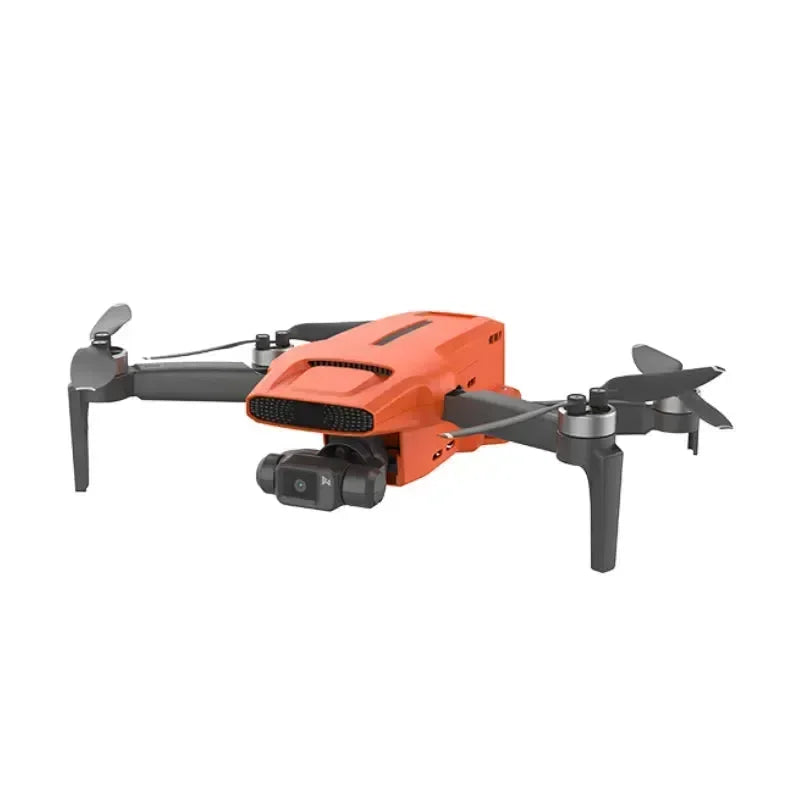


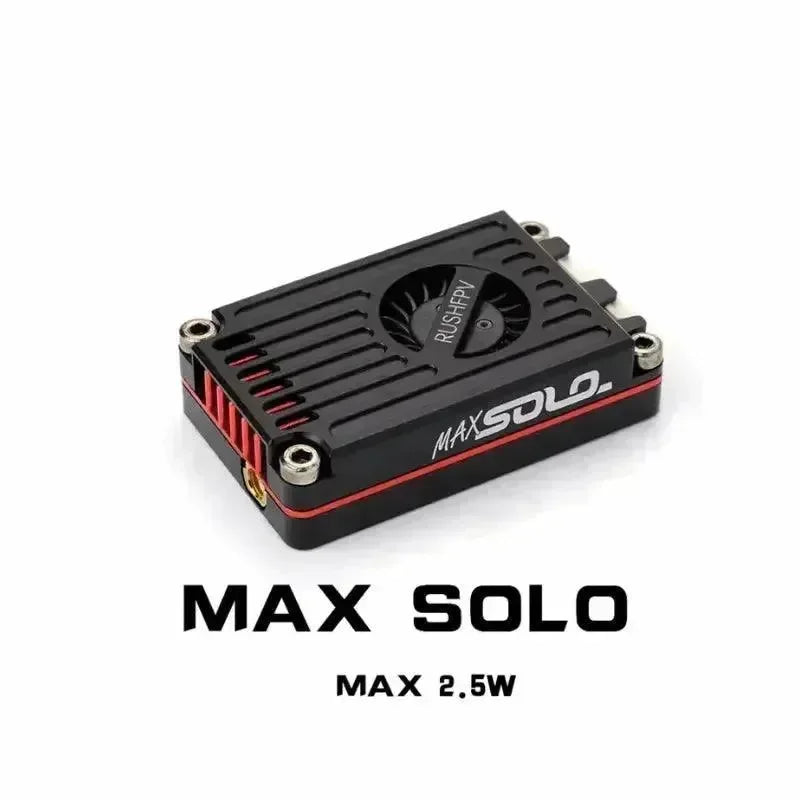

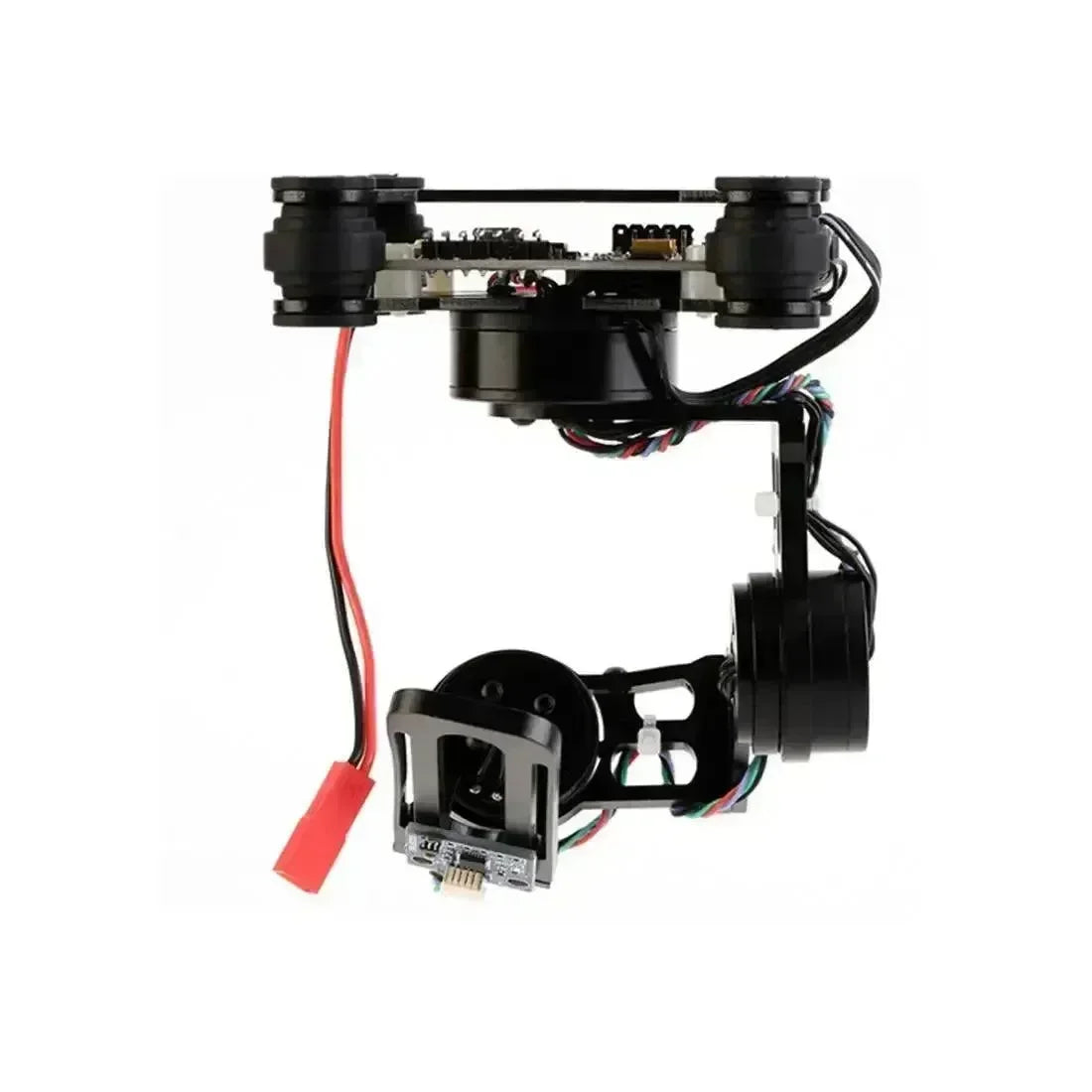

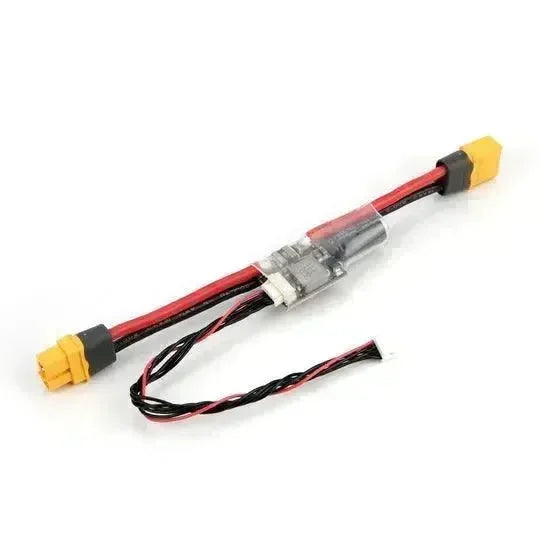




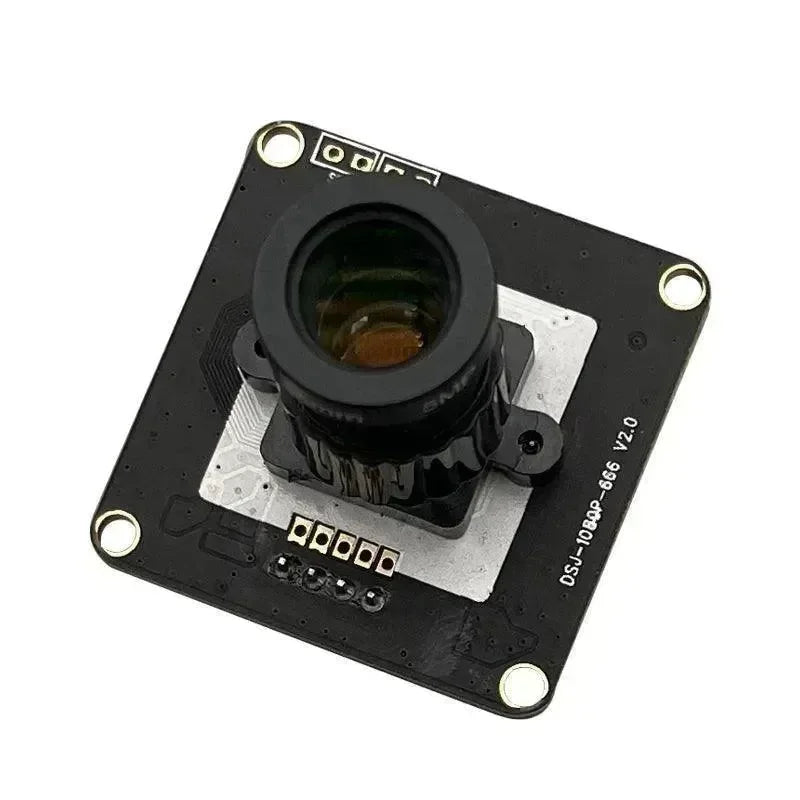

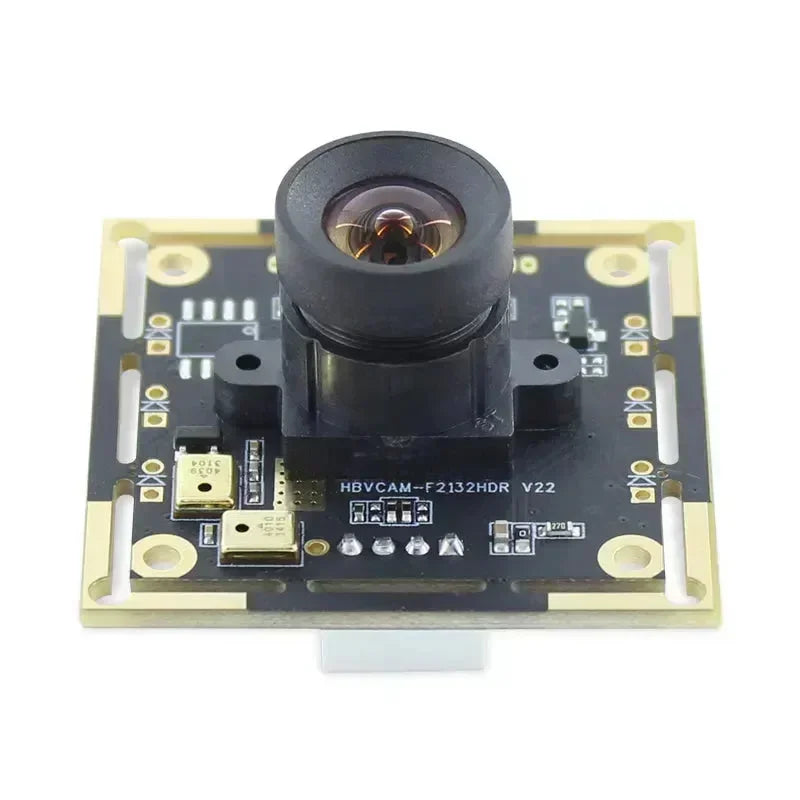




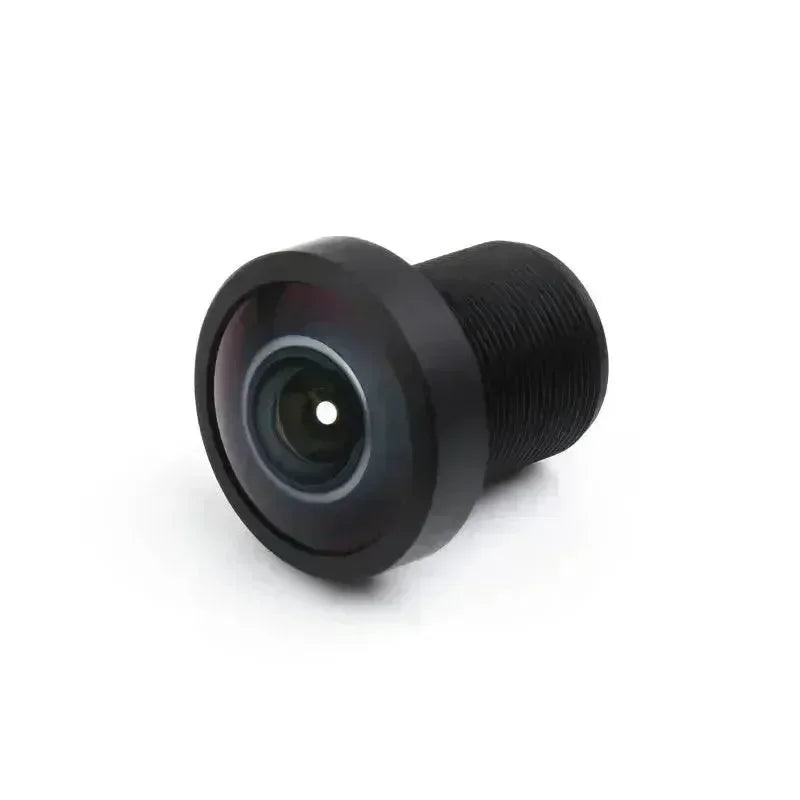




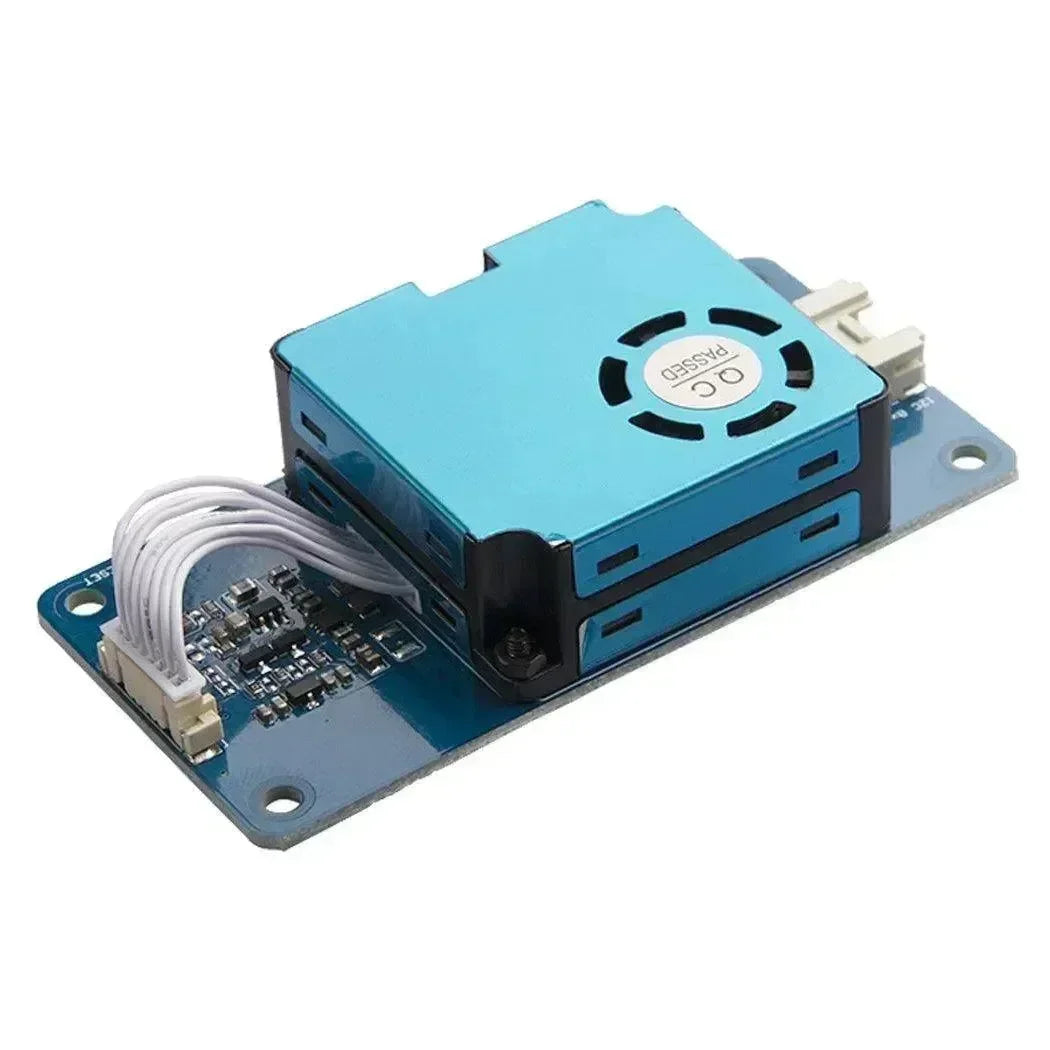

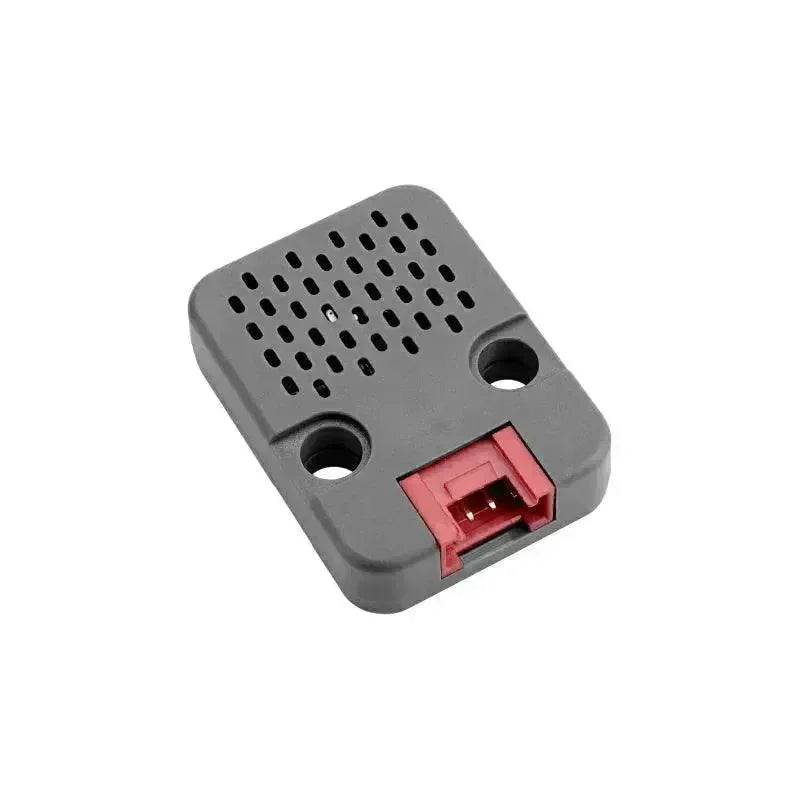
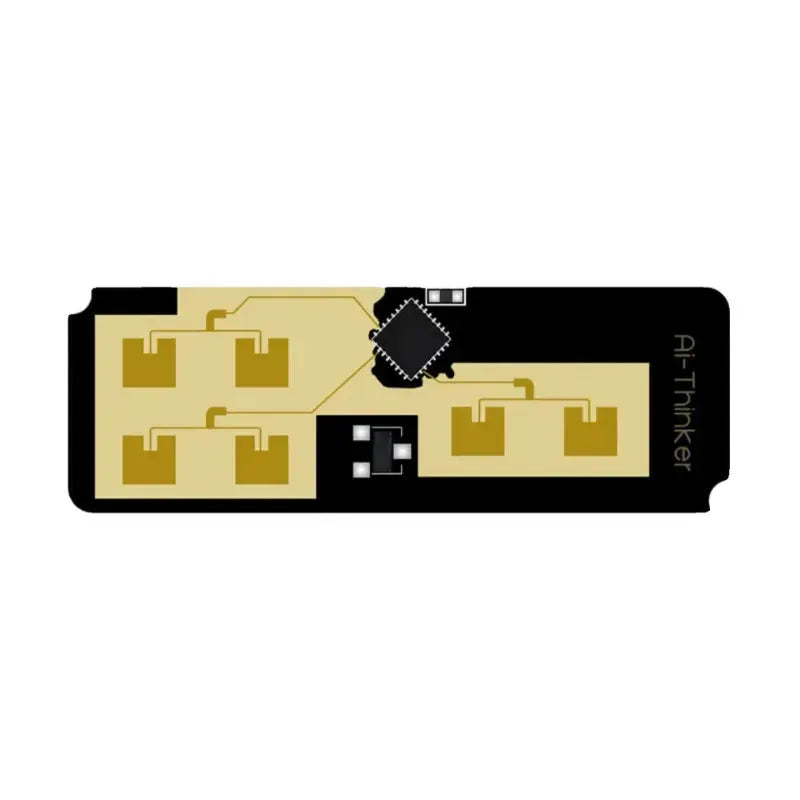





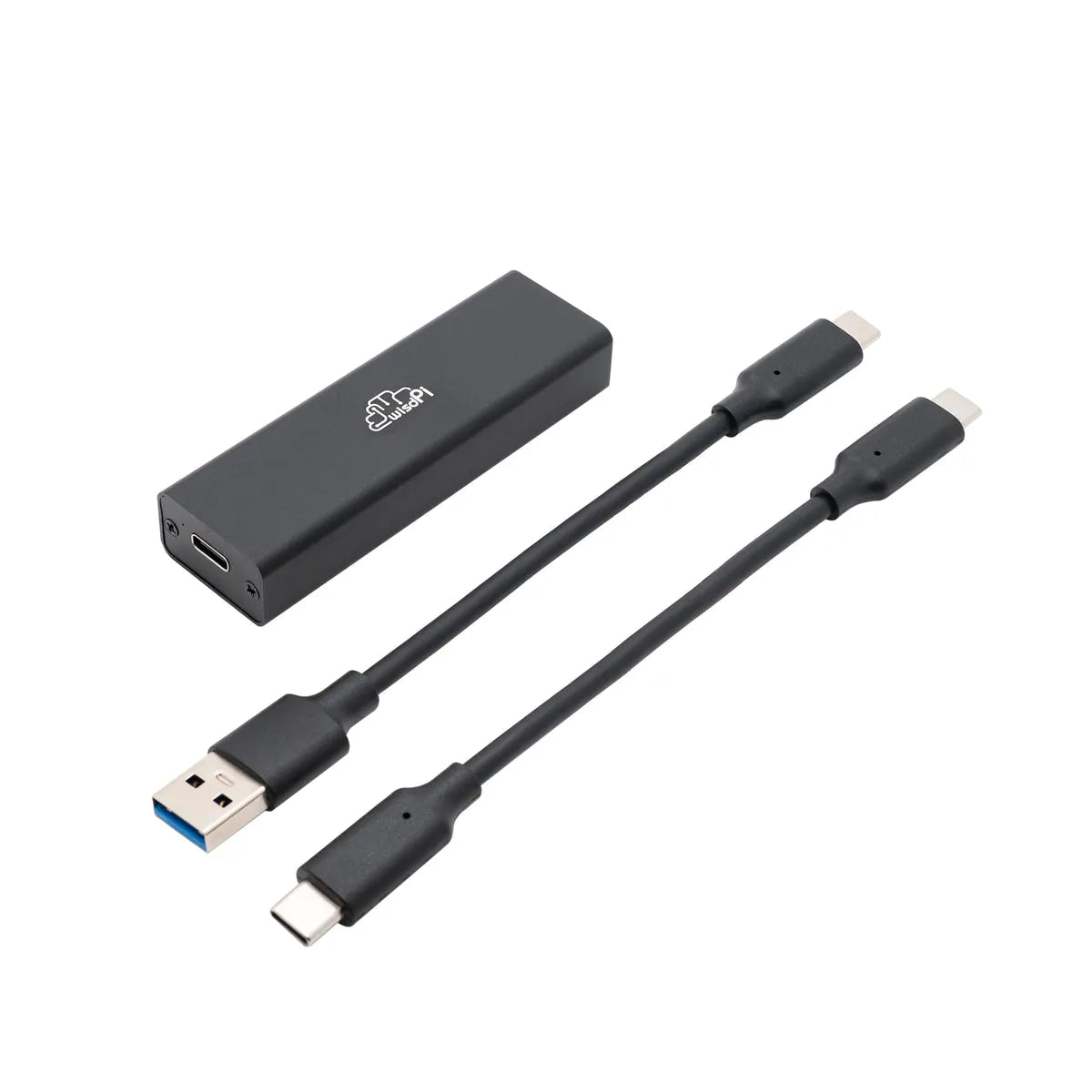

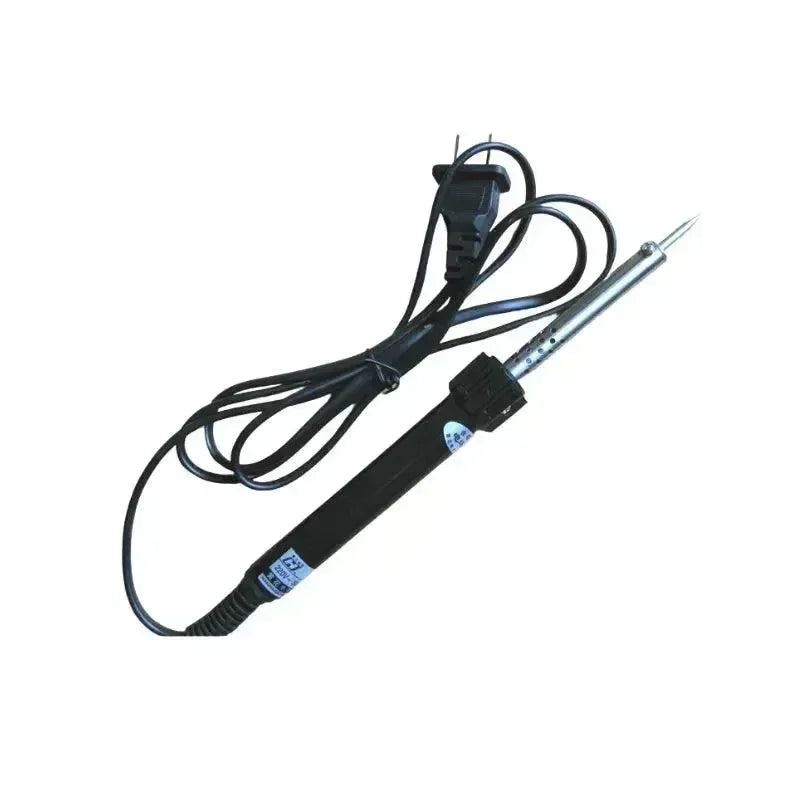
A reliable drone build starts with matching parts, not with buying the biggest motor or the most advanced flight controller first. The frame decides the size and propeller clearance, the motor and propeller decide thrust and current draw, the ESC must survive that current, the Pixhawk or flight controller must match the software workflow, and the GPS or GNSS module only helps when the aircraft is wired, mounted, tuned, and configured correctly.
Quick answer: choose the ZD850 850mm carbon fiber hexacopter frame when you are planning a larger folding multirotor platform, compare DXW 400KV high-power brushless motors for larger propeller builds, use the Hobbywing Skywalker V2 ESC only after checking current and battery requirements, choose Holybro Pixhawk 6C when the project needs a modern Pixhawk autopilot direction, and add a GPS / compass module such as Holybro GPS M10N when autonomous position hold, return-to-home, waypoint navigation, or outdoor navigation is part of the build.
Important buying boundary: this guide is about choosing parts for OpenELAB drone and FPV workflows. It is not a full airworthiness, firmware setup, tuning, or legal operation guide. Payload, flight time, range, stability, and safety depend on the complete build: frame geometry, propeller size, motor data, ESC rating, battery voltage, power wiring, firmware, tuning, payload, vibration control, GPS placement, pilot skill, and local flight rules.
Build safety note: remove propellers during bench setup, firmware configuration, receiver tests, ESC calibration, motor direction checks, and first power-up. High-current LiPo systems can cause fire, injury, or equipment damage if wiring, polarity, current rating, or failsafe behavior is wrong. Always check local drone rules before flying.
The Practical Drone Parts Buying Path
New builders often start with motors because motor specifications look exciting. That is usually backwards. For a stable multirotor, the parts form a chain. A wrong early choice forces compromises later.
- Choose the frame size and layout. The frame decides motor spacing, propeller clearance, payload space, battery space, and whether the build is a quadcopter, hexacopter, or another layout.
- Choose the propeller and motor together. Motor KV, stator size, battery voltage, and propeller size must work as a set.
- Choose the ESC from real current demand. ESC amp rating should be based on motor and propeller current data with headroom, not on guesswork.
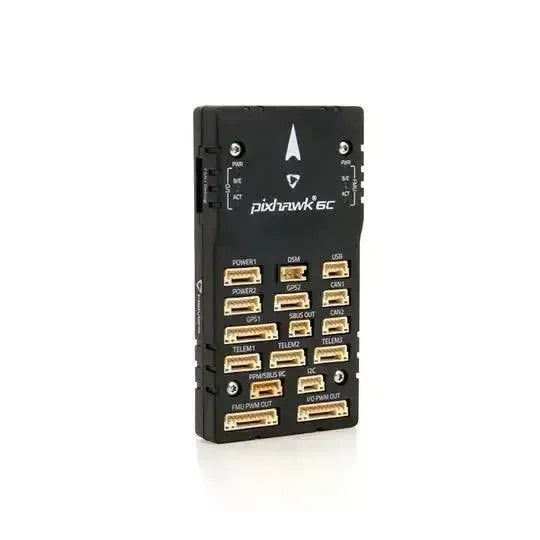
- Choose the flight controller. Pixhawk-style controllers are useful when you need autonomous navigation, PX4 / ArduPilot-style workflows, sensors, logging, and expansion.
- Add GPS / GNSS and compass if the flight mode needs it. GPS does not fix a bad tune, bad wiring, bad vibration, or poor compass placement.
- Design the power chain. Power modules, PDBs, wire gauge, connectors, BECs, and current sensing are not afterthoughts.
OpenELAB Drone Parts Map
Use this table as a shopping map, not as a guaranteed compatibility chart. Always confirm the selected variant, connector, firmware support, current rating, battery cell count, propeller size, and flight-controller documentation before mixing parts.
| Part category | OpenELAB examples | Best for | Main caution |
|---|---|---|---|
| Frame | ZD850 850mm Compact Folding Hexacopter Frame Kit | Large folding multirotor projects, aerial photography-style platforms, payload experiments | Frame size alone does not guarantee payload, endurance, or stability. |
| Larger motors | DXW 400KV High Power Brushless Motors | Large propeller, lower-KV multirotor builds where thrust and efficiency matter | Need matching propeller, ESC, battery voltage, mount pattern, and cooling. |
| Small / medium motors | DXW A2212 3.17mm Outrunner Motor, DXW D1806 2280KV 2-3S Motor | RC aircraft, small multirotor projects, 200-250 FPV-style frames depending on the motor | High KV is not better for every aircraft; it usually expects smaller props and suitable voltage. |
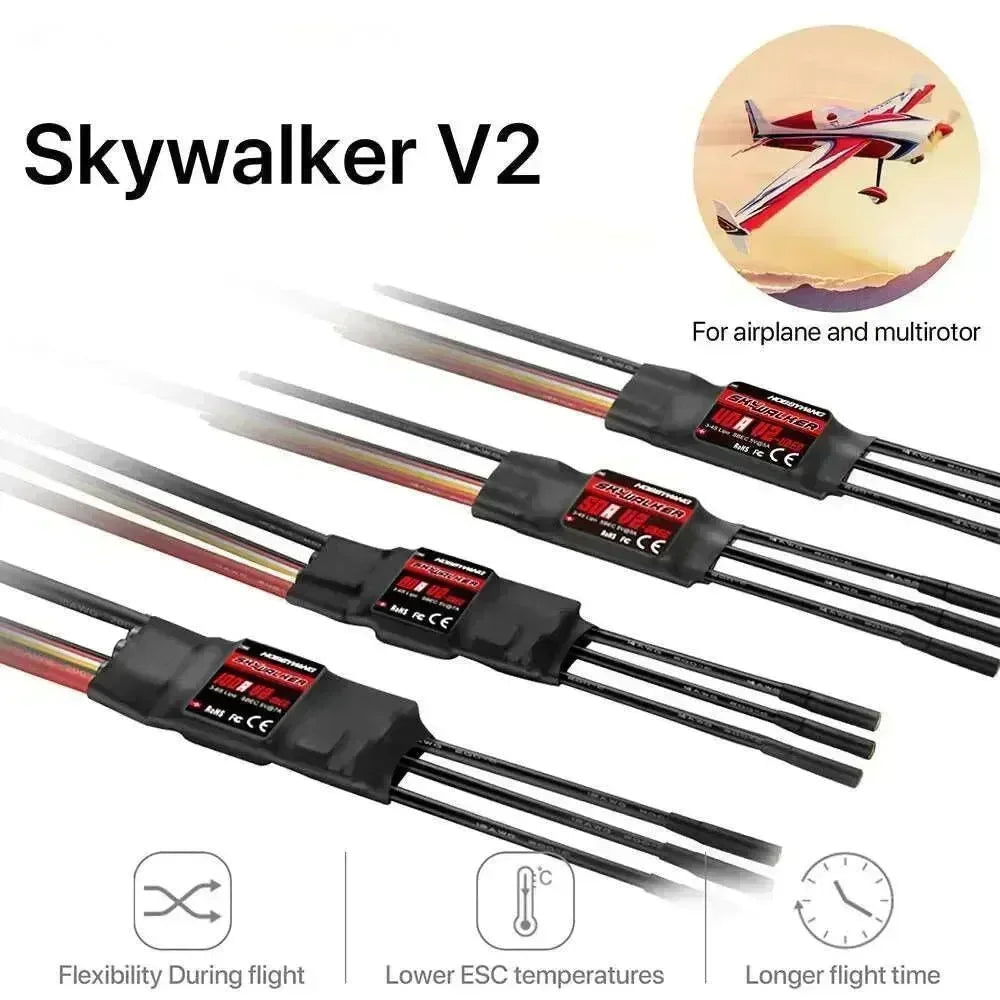
| ESC | Hobbywing Skywalker V2 Brushless ESC | Brushless motor control where the selected current rating, battery voltage, BEC, and signal behavior match the build | Do not choose by amp number only; confirm firmware, protocol, battery cells, and cooling. |
| Pixhawk / autopilot | Holybro Pixhawk 6C, Pixhawk PX4 Flight Controller, Radiolink Mini PIX V1.2 Flight Controller M10N GPS | Autonomous flight, GPS modes, mission planning, logging, sensor integration, development | Flight controller choice does not replace correct wiring, firmware setup, calibration, and tuning. |
| GPS / GNSS / compass | Holybro GPS M10N, Holybro GPS M9N, Mateksys GNSS M10Q-5883 | Position hold, navigation, return-to-home, outdoor Pixhawk-style builds | Mount away from current wiring and magnetic interference; confirm firmware support and connector pinout. |
| Power module / PDB | Holybro PM02 V3 12S Power Module, Holybro PM07 V2 14S Power Module, Holybro Power Distribution Board | Flight-controller power, current sensing, voltage sensing, ESC power distribution depending on module | Current rating, connector rating, wire gauge, analog/digital compatibility, and Pixhawk model support all matter. |
Start With the Frame: Size, Payload, and Propeller Clearance
The frame is the skeleton of the aircraft. It sets the wheelbase, arm stiffness, motor spacing, propeller clearance, center plate space, payload mounting options, and how easily the aircraft can be transported or repaired.
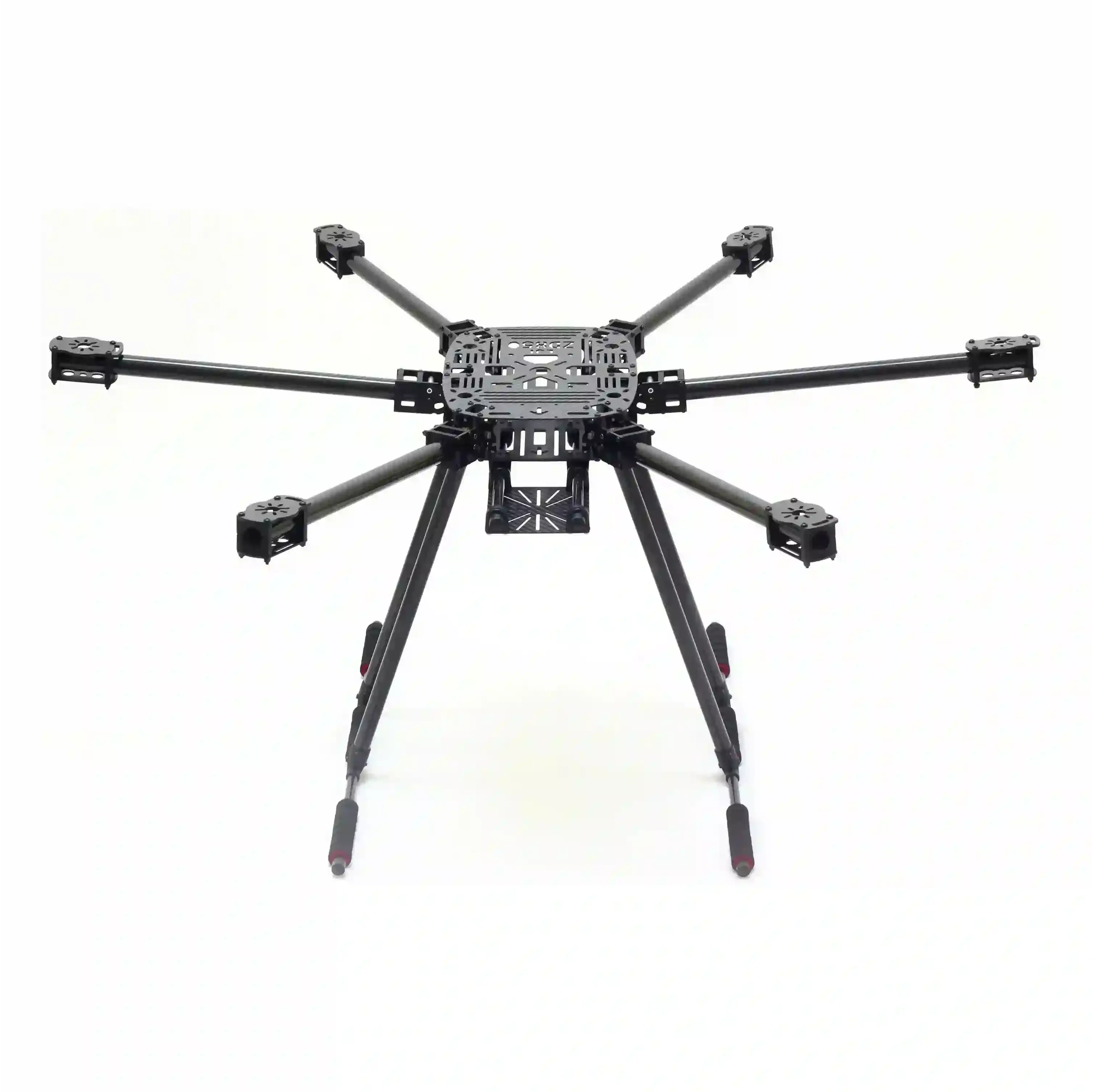
The ZD850 850mm Compact Folding Hexacopter Frame Kit is a large folding carbon-fiber direction. Its product page describes an 850mm motor-to-motor layout, 20mm carbon tubes, a 5-degree upward arm angle, folding aluminum hardware, and support for propellers up to 16 inches. That makes it a better fit for buyers planning a larger multirotor platform than for small FPV builds.
Choose a large frame when the project needs more payload space, larger propellers, better hover efficiency, or a hexacopter layout. Do not choose a large frame only because it looks more powerful. It needs larger motors, larger propellers, a suitable battery, higher-current power wiring, more careful vibration control, and more space for testing.
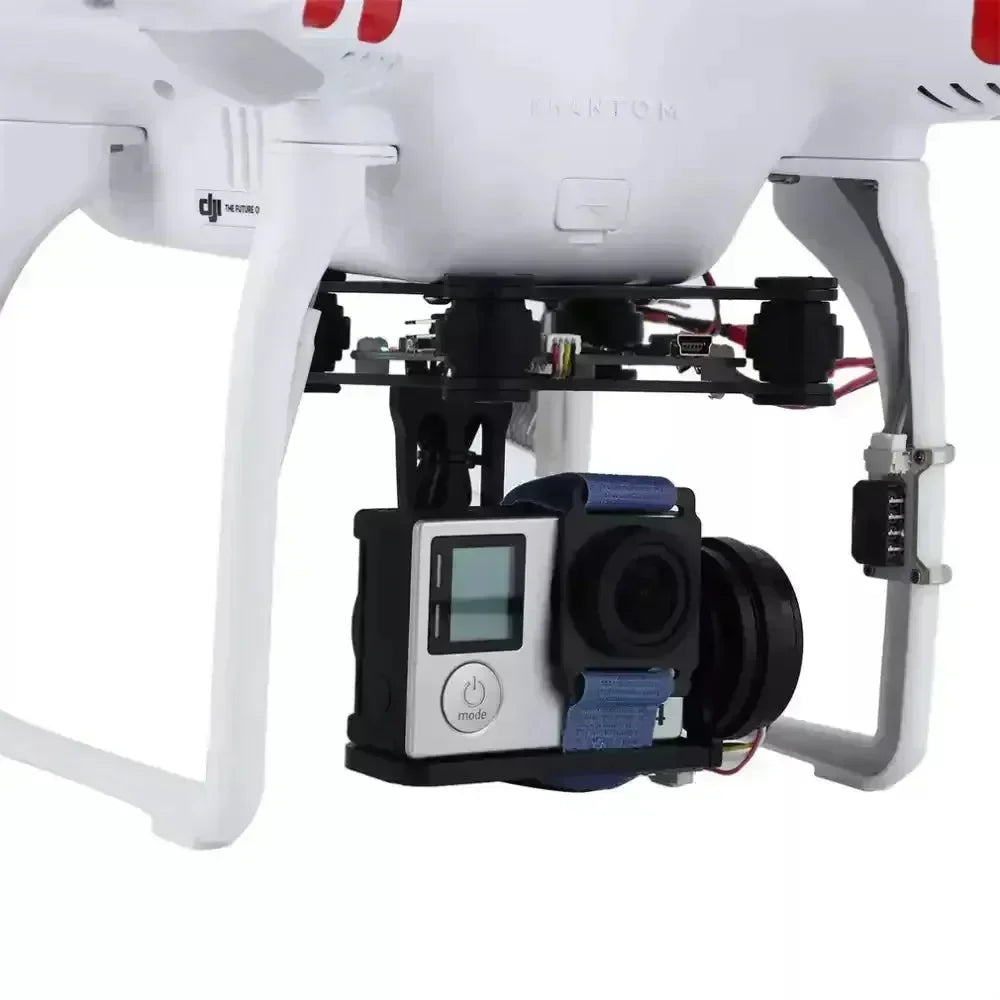
If you want a more complete starting platform rather than a bare frame, compare the ZD850 850mm 6-axis drone platform. Treat any payload or flight-time language as condition-dependent. A camera, gimbal, battery choice, propeller choice, air density, wind, tuning, and pilot behavior all change the real result.
Motors: Match KV, Propeller, Voltage, and Frame Size
Motor KV is one of the most misunderstood drone specifications. KV tells you the approximate no-load RPM per volt, but it does not tell you thrust, efficiency, or build quality by itself. A low-KV motor often pairs with a larger propeller and higher-efficiency lifting workflow. A high-KV motor often pairs with smaller propellers and faster RPM. Neither is automatically better.
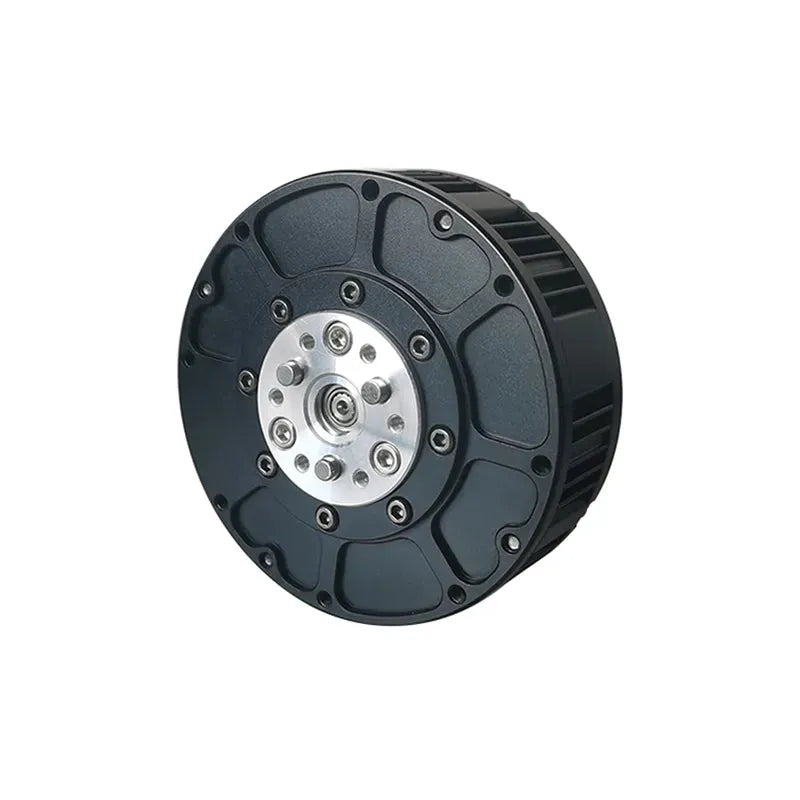
The DXW 400KV High Power Brushless Motors are better aligned with larger multirotor builds that can use larger propellers and need lifting force. The OpenELAB page positions them for larger applications and mentions D4114-400KV / D4310-400KV variants. This is the motor direction to study for an 850mm-style platform, not for a small 5-inch racing build.
The DXW A2212 3.17mm Outrunner Brushless Motor is a smaller motor direction with A2212 1000KV / 1400KV and C2826 1290KV variants. This kind of motor is more relevant to smaller RC aircraft and lighter multirotor projects, depending on propeller, voltage, and mount compatibility.
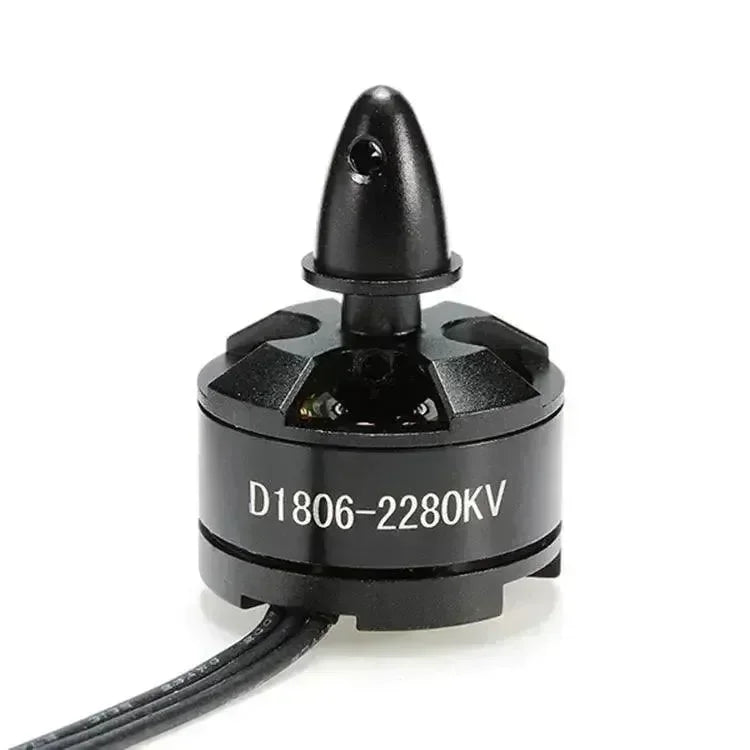
The DXW D1806 2280KV 2-3S Brushless Motor is a small high-KV direction for 200-250 FPV-style builds. It is not a replacement for a large 400KV lifting motor. It expects a different frame, propeller, battery voltage, ESC current range, and flight style.
| Motor direction | Better fit | Do not use it for | Check before buying |
|---|---|---|---|
| DXW 400KV motor | Larger propeller, larger multirotor, lifting-oriented builds | Small FPV racing frames | Propeller size, mount pattern, ESC current, battery voltage, arm clearance |
| DXW A2212 / C2826 motor | Smaller RC aircraft or lighter drone builds | Heavy payload platforms without thrust data | KV variant, shaft size, prop adapter, voltage, motor mount |
| DXW D1806 2280KV motor | 200-250 FPV-style compact builds | Large aerial photography frames | 2-3S voltage, small propeller match, CW / CCW variant, current draw |
ESC: Choose Current Headroom, Battery Compatibility, and Control Behavior
An ESC is not just a motor switch. It must handle the motor's current demand, the battery voltage, startup load, cooling conditions, signal type, BEC requirements, and the flight-controller workflow.
The Hobbywing Skywalker V2 Brushless ESC Speed Controller is listed at OpenELAB with multiple variants from 20A to 100A. The product page is airplane-oriented, so treat it as an ESC family to verify rather than a universal default for every multirotor. Before using it in a Pixhawk or multirotor build, confirm throttle response, PWM behavior, calibration process, BEC requirements, brake setting, battery cell count, and flight-controller protocol support.
A sensible ESC selection rule is to use measured or manufacturer test current for the chosen motor, propeller, and battery voltage, then add headroom. For example, if a motor and prop combination draws close to the ESC's continuous current in normal flight, the ESC is too close to the edge. Heat, airflow, prop load, battery sag, aggressive throttle, and poor calibration can all push the system harder.
Pixhawk and Flight Controller: Choose by Autonomy Workflow
A flight controller is the aircraft's stabilization and control computer. A Pixhawk-style controller is especially useful when your project needs autonomous modes, GPS support, mission planning, logging, sensor expansion, and PX4 / ArduPilot-style workflows where supported.
The Holybro Pixhawk 6C is the strongest default recommendation in this OpenELAB scope for modern Pixhawk development. The product page describes the FMUv6C open standard, PX4 pre-installed, an STM32H743 microcontroller with Arm Cortex-M7 up to 480MHz, 2MB flash, 1MB RAM, IMU redundancy, and vibration isolation. It is a better choice when the buyer wants a more current autopilot foundation for lab development, teaching, and autonomous-vehicle experiments.
The Pixhawk PX4 Flight Controller is a more established Pixhawk direction. It can still make sense for builds, labs, or workflows that already follow Pixhawk 4 documentation, mounting, and accessory expectations. The safer way to choose is to match the controller to the tutorial, firmware, power module, GPS connector, carrier board, and vehicle type you actually plan to use.
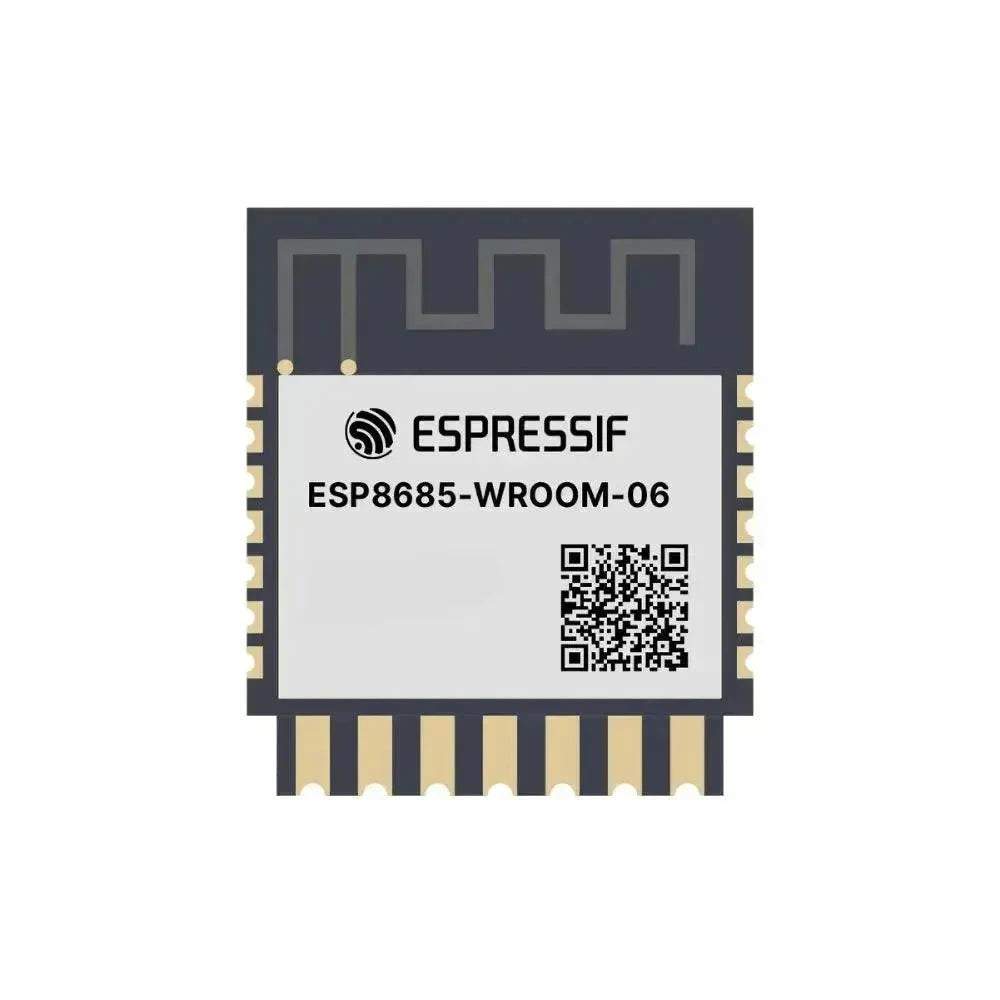
The Radiolink Mini PIX V1.2 Flight Controller M10N GPS is a compact flight-controller path for buyers who want a smaller Pixhawk-style package and GPS-related bundle wording. Confirm the selected variant before treating it as a complete FC + GPS solution.
GPS, GNSS, and Compass: Choose by Navigation Needs
GPS is useful when the flight mode needs position data: loiter, position hold, return-to-home, waypoint missions, outdoor mapping, and autonomous navigation. It is less important for a purely manual indoor test build. A GPS module also does not solve vibration, poor tuning, weak power wiring, or bad compass placement.
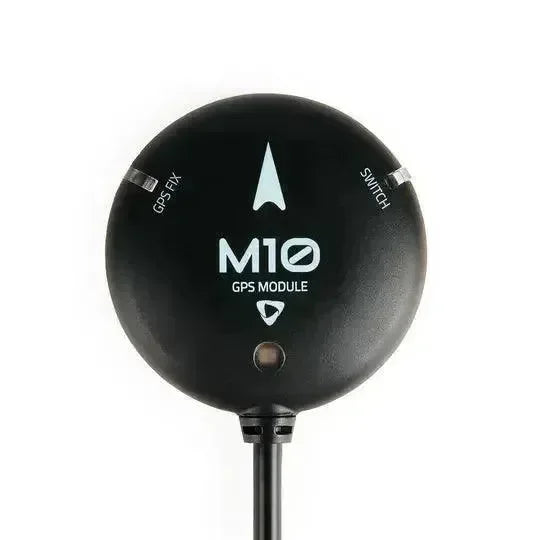
The Holybro GPS M10N is a strong default for modern Pixhawk-style outdoor builds. OpenELAB describes it as a u-blox M10 multi-constellation GNSS module supporting GPS, Galileo, GLONASS, and BeiDou, with an IST8310 compass, LED indicator, buzzer, safety switch, 25 x 25mm patch antenna, and 115200 / 5Hz configuration. The product page also notes firmware requirements, so confirm your PX4, ArduPilot, INAV, or Betaflight version before buying.
The Holybro GPS M9N is the older u-blox M9N direction and can still make sense when a build, tutorial, or existing system expects it. The Mateksys GNSS M10Q-5883 is a compact M10 GNSS + QMC5883L compass direction with a smaller 15 x 15 x 4mm patch antenna and 4-9V input range, useful when size and integration matter.
Mount GPS and compass modules away from high-current wires, ESCs, battery leads, magnets, power distribution boards, and video transmitters. A clean module with poor placement can give poor heading or unreliable lock. On larger frames, a GPS mast or stand can help; OpenELAB also lists a GPS stand in the Drone / FPV collection.
Power Module and PDB: Do Not Ignore the Power Chain
The power system is where many drone builds fail. A flight controller needs clean regulated power, the ESCs need high-current battery power, and the autopilot may need voltage and current sensing for battery monitoring and failsafe behavior.
The Holybro PM02 V3 Power Module 12S supplies regulated 5.2V to the flight controller and provides analog battery voltage/current measurement. OpenELAB lists it for 2S-12S input, 60A PCB continuous current, 100A burst under 60 seconds, and 5.2V / 3A output. The product page also warns about XT60 plug and 12AWG wire rating limits, which matters if the aircraft current is higher than the connector and wire can safely handle.
The Holybro PM07 V2 Power Module 14S is a more integrated direction with ESC power and signal distribution for up to 8 ESCs and redundant 5.2V outputs. OpenELAB specifically mentions it as useful for flight controllers such as Pixhawk 6C and Pixhawk 4 that do not have built-in servo header pins.
The Holybro Power Distribution Board is relevant for PM02 / PM02D workflows, while the PM07-style direction already includes power distribution. Do not buy a PDB only because it appears in a parts list; buy it because your chosen power module and wiring architecture need it.
Starter Buying Paths by Drone Type
| Build goal | Start with | Likely OpenELAB direction | Avoid this mistake |
|---|---|---|---|
| Large aerial photography-style platform | Frame, payload target, propeller size, low-KV motors, power chain | ZD850 frame, DXW 400KV motors, Pixhawk + GPS + suitable power module | Assuming the frame rating alone guarantees payload or flight time. |
| Autonomous Pixhawk development | Flight controller, power module, GPS, compatible frame and motor system | Pixhawk 6C, GPS M10N, PM07 where suitable | Buying GPS before checking firmware, connectors, compass placement, and power module compatibility. |
| Small FPV-style build | Frame class, prop size, high-KV motor, ESC current, battery voltage | DXW D1806 2280KV motor where it matches the frame and propeller | Using large-camera-drone logic on a small racing or freestyle build. |
| RC aircraft or lightweight experiment | Motor class, propeller, voltage, ESC with suitable BEC | DXW A2212 / C2826 motor plus correctly rated ESC | Treating an RC airplane motor setup as automatically correct for a multirotor. |
Compatibility Checklist Before You Buy
- Frame to propeller: Can the propeller spin without touching arms, landing gear, payload, or other props?
- Frame to motor: Does the motor mount pattern fit the arm or motor plate?
- Motor to propeller: Does the motor's KV, torque, shaft, adapter, and thrust data fit the propeller size?
- Motor to ESC: Does the ESC continuous current exceed real current demand with headroom?
- ESC to battery: Does the ESC support the selected battery cell count and voltage?
- Power module to flight controller: Is the voltage/current signal compatible, and is it analog or digital as required?
- GPS to flight controller: Are the connector, pinout, voltage, compass interface, firmware version, and mounting orientation supported?
- Firmware to airframe: Does the selected firmware support the frame type, motor layout, GPS module, and ESC signal workflow?
- Payload to thrust: Is there enough thrust margin after battery, frame, camera, gimbal, wiring, and accessories are included?
- Rules to aircraft: Does the final drone comply with registration, remote ID, weight, altitude, flight area, and operator rules in your location?
Common Mistakes to Avoid
- Choosing motors by KV alone. KV without propeller, voltage, and current data is not enough.
- Using an ESC with no current headroom. Bench tests, hot weather, poor airflow, and aggressive throttle can overheat ESCs.
- Mounting GPS near power wiring. High-current wires and magnetic interference can ruin heading and navigation reliability.
- Forgetting power-module compatibility. Analog and digital power modules are not always interchangeable across Pixhawk generations.
- Copying another drone's tune. Frame stiffness, propeller size, motor response, battery mass, and payload change tuning.
- Leaving propellers on during setup. This is one of the most dangerous bench mistakes.
- Buying a large frame before planning transport and test space. Large aircraft need more workspace, safer test procedures, and better vibration control.
- Assuming GPS gives safety by itself. Return-to-home depends on setup, compass, home position, failsafe configuration, battery monitoring, and flight conditions.
Software, Documentation, and Flight Rules
For Pixhawk-style builds, use the documentation that matches your controller and firmware version. PX4 and ArduPilot workflows are powerful, but they require careful setup, calibration, airframe selection, failsafe configuration, and test discipline. A product listing can tell you what hardware is sold; the firmware documentation tells you how that hardware should be configured.
This guide is not a legal operation guide. Drone rules vary by country and can depend on aircraft weight, purpose, location, altitude, camera use, remote ID, registration, operator training, and whether the flight is recreational, educational, or commercial. Before flying, check the current rules from your local aviation authority, such as the FAA recreational UAS guidance or the EASA open category drone information where relevant. In the United States, non-recreational or commercial use may fall under FAA Part 107 rather than the recreational flyer rules.
FAQ
What drone parts do I need for a basic multirotor build?
At minimum, a multirotor build needs a frame, motors, propellers, ESCs, a flight controller, receiver or control link, battery, power distribution, wiring, and usually GPS if autonomous modes are required. For Pixhawk-style builds, also plan for a power module, GPS / compass module, vibration control, and firmware setup.
Should I choose the frame or motor first?
Choose the frame class and mission first, then choose motor, propeller, battery, and ESC as a matched group. A large hexacopter frame and a small FPV frame need very different motor and ESC choices.
What does KV mean on a drone motor?
KV is approximate no-load RPM per volt. Lower KV usually pairs with larger propellers and lifting efficiency. Higher KV usually pairs with smaller propellers and faster RPM. KV is only useful when considered with propeller size, battery voltage, motor size, and current draw.
How much ESC current rating do I need?
Use the motor and propeller current data for your battery voltage, then add headroom. Do not choose a 20A, 40A, or 100A ESC because the number feels comfortable. Choose it because the complete motor/prop/battery setup needs it and the ESC supports the control workflow.
Do I need Pixhawk for every drone?
No. Pixhawk-style controllers are best when you need autonomous modes, mission planning, GPS navigation, logging, and sensor expansion. A small manual FPV drone may use a different flight-controller ecosystem. Choose Pixhawk when the software workflow needs it.
Do I need GPS on a drone?
You need GPS if you want position hold, return-to-home, waypoint missions, outdoor navigation, or many autonomous flight modes. You do not need GPS for every manual indoor test. GPS works best when mounted correctly and supported by the firmware version.
Is the ZD850 frame enough to build a heavy-lift drone?
No frame alone is enough. The ZD850 gives a large carbon-fiber frame direction, but a working heavy-lift platform still needs matched motors, propellers, ESCs, battery, power wiring, controller, GPS, tuning, payload mounting, and safe testing.
Final Recommendation
For a large OpenELAB drone build, start with the ZD850 850mm carbon fiber frame, then choose motors such as the DXW 400KV brushless motor family only if their mount, propeller, voltage, and ESC requirements match your airframe. Pair motors with a correctly rated ESC only after checking multirotor suitability, PWM or throttle behavior, BEC needs, brake setting, battery cell count, and flight-controller protocol support.
For autonomy and Pixhawk development, compare Holybro Pixhawk 6C, Pixhawk 4, and Radiolink Mini PIX based on your firmware, tutorial, connector, GPS, and power-module needs. Add Holybro GPS M10N, Holybro GPS M9N, or Mateksys GNSS M10Q-5883 when navigation modes require it.
The safest buying strategy is to build from the mission backwards: frame size, propeller, motor, ESC, power module, flight controller, GPS, firmware, and test plan. When these parts match, the drone is easier to wire, configure, tune, and fly. When they do not match, even expensive parts can produce an unstable or unsafe aircraft.