




































Introduction to E-paper
-
What is E-paper?
E-paper (also known as electronic paper display or E Ink screen) simulates the look of real paper.Uses reflective display, not backlight → readable even in strong sunlight.

Product Overview: Seeed Studio reTerminal E1001
-
Display & Core Specs
-
Screen: 7.5-inch, 800 × 480 resolution, black & white with grayscale.
-
Processor: ESP32-S3, supports Wi-Fi & Bluetooth.
-
Power & Endurance
-
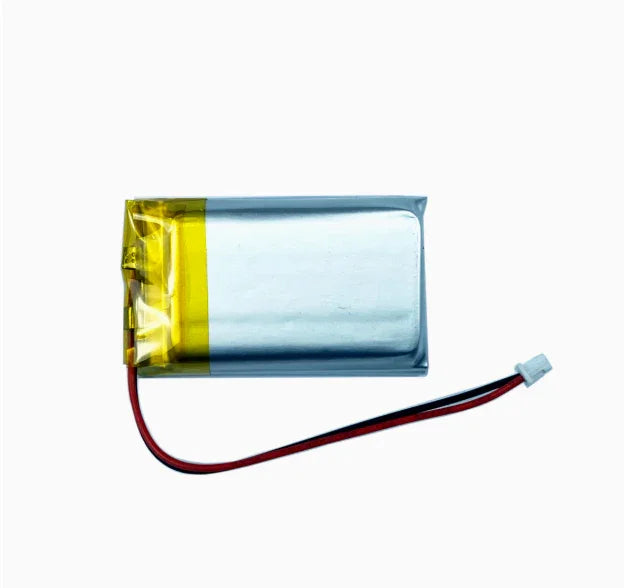
Built-in 2000 mAh battery.
-
Lasts up to ~3 months under low-refresh use.
-
Expansion & Interfaces
-
MicroSD card slot (up to 32 GB).
-
USB-C port and GPIO expansion pins.
-
Sensors & Peripherals
-
Built-in temperature/humidity sensor.
-
Microphone, buzzer, buttons, LED indicators.
-
Software Support
-
Compatible with SenseCraft HMI, Arduino, ESPHome, ESP-IDF, etc.
👉 Suitable for IoT, smart home systems, industrial dashboards, and information display applications.
Common Questions About E-paper (E1001 Implementation)
-
How long does e-paper last?
-
Battery life: ~3 months in low-power mode.
-
Lifespan: several years, though frequent refresh may cause ghosting.
-
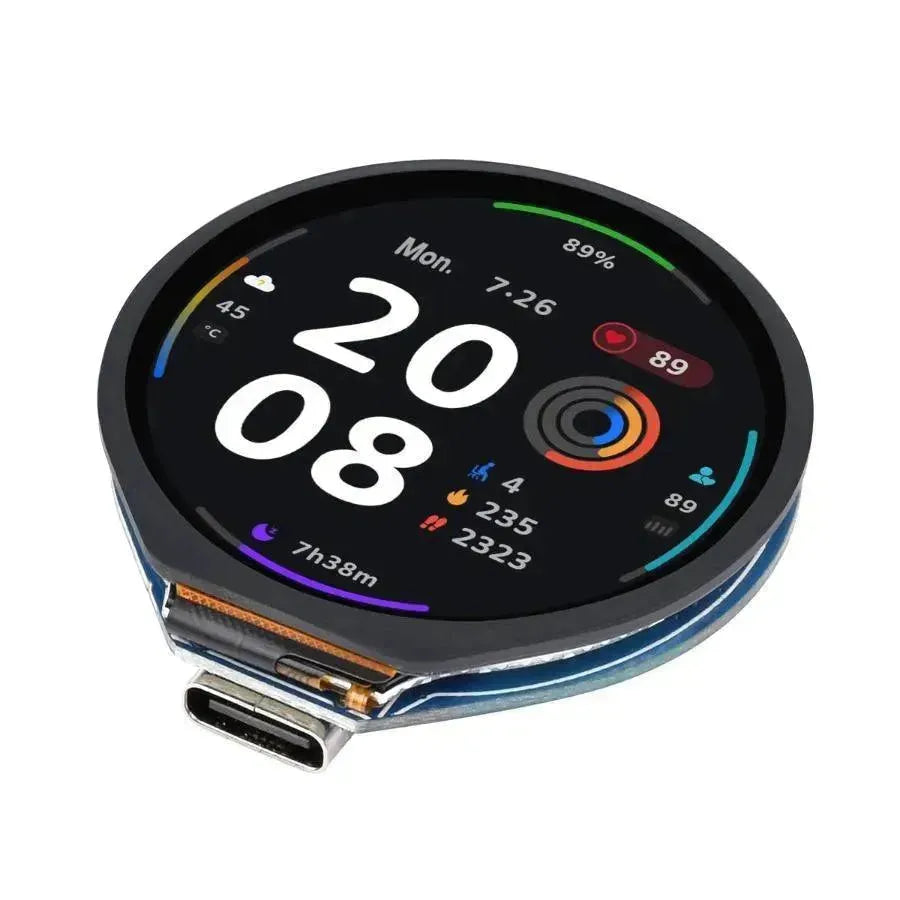
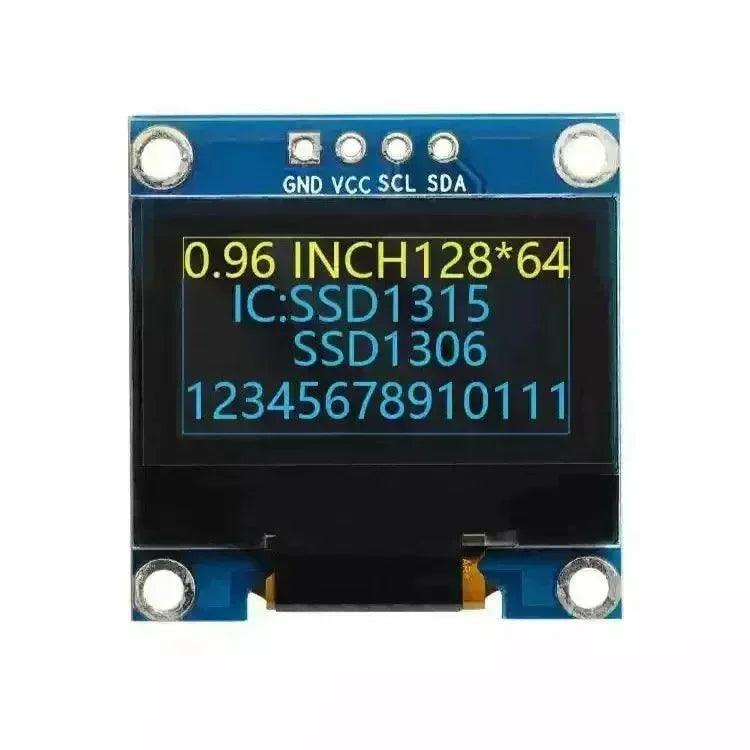
Is e-paper better than LCD?
| Comparison Dimension | E-paper | OLED (Organic Light-Emitting Display) |
|---|---|---|
| Emission / Self-illumination | E-paper is reflective and not self-illuminating. | OLED is self-emissive; each pixel is a light-emitting diode. |
| Brightness / Night / Low Light | In low-light environments, e-paper requires auxiliary lighting or a front light. | OLED can display clearly in dark environments thanks to its self-emission. |
| Color / Contrast / Gamut | Traditional e-paper has limited color (mostly black/white, grayscale, or few colors). | OLED offers rich colors, high contrast, and excellent black levels (pixels can turn off). |
| Refresh / Dynamic Performance | E-paper has slow refresh rates, unsuitable for fast animations or video. | OLED supports high refresh rates, smooth animations, and video playback. |
| Power Consumption | E-paper consumes almost no power when displaying static images. | OLED continuously consumes power, especially with bright or white content (higher brightness = more power). |
| Visibility in Sunlight / Outdoors | E-paper performs well in bright light and is easy to read. | OLED struggles under strong light due to reflections; sunlight can overpower the display, requiring high brightness. |
| Lifespan / Aging | E-paper lifespan depends on encapsulation and material stability; update cycles may be limited. | OLED organic materials degrade over time, especially blue subpixels, leading to color shift and brightness loss. |
-
Is the E1001 waterproof?
-
No. Requires protective casing for outdoor/humid use.
-
Can it be read under sunlight?
-
Yes. Reflective screen ensures clear readability in direct sunlight.
-
How does it compare with OLED?
-
E1001 (e-paper): Low power, sunlight-readable, ideal for static displays.
-
OLED: Colorful, dynamic, but high power use and poor outdoor readability.
-
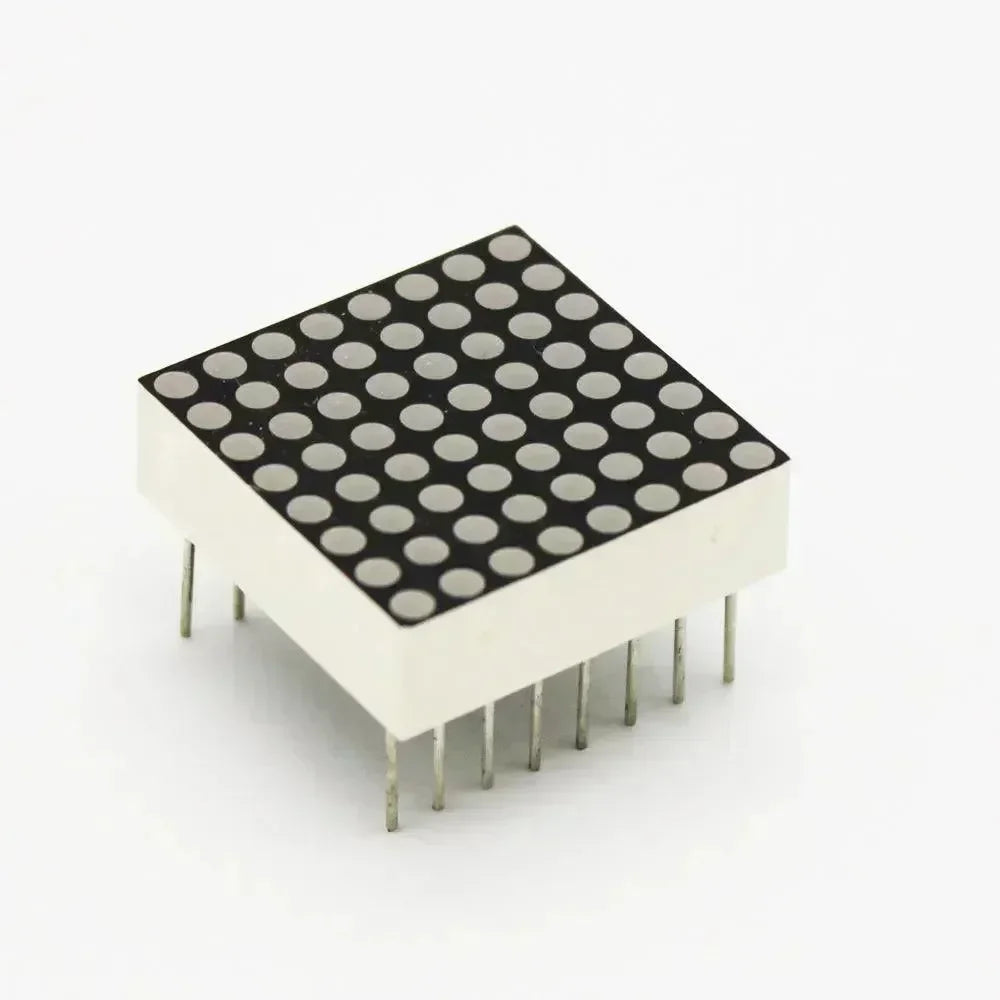
How does it compare with LED displays?
-
E-paper: Ultra-low power, clear in sunlight, ideal for close-range signage.
-
LED: Very bright, dynamic, for long-distance ads, but consumes a lot of energy.
-
Is e-paper better for the eyes?
-
Yes. No backlight → closer to paper reading, less eye strain.
-
What is the screen size?
-
E1001 uses a 7.5-inch panel.
-
Difference between paper and e-paper?
-
(Typically: e-paper is reusable, digital; paper is one-time use).
-
Future applications of e-paper
-
Public info boards, bus stop signs.
-
Retail electronic shelf labels.
-
Smart home dashboards.
-
Wearables and medical displays.
-
Education & e-textbooks.
-
Flexible, rollable advertising displays.
Product Comparison: E1001 (Monochrome) vs E1002 (Full Color)
-
E1001: Monochrome, low power, ideal for static information.
-
E1002: Full color, richer visuals, but higher power consumption.
| Item | E1001 (Monochrome / Grayscale) | E1002 (Full Color / 6 Colors) |
|---|---|---|
| Display Size | 7.5 inches | 7.3 inches |
| Resolution | 800 × 480 pixels | 800 × 480 pixels |
| Color / Grayscale | Monochrome + 4-level grayscale | Multicolor / Full color (using E Ink Spectra 6 technology) |
| Power Consumption / Battery Life | Up to ~3 months under low refresh conditions | Also around ~3 months (under low refresh frequency) |
| Processor / Storage / Expansion | ESP32-S3 + 8 MB PSRAM + 32 MB Flash + MicroSD + GPIO header | Same configuration as E1001 |
| Interfaces / Hardware Accessories | USB-C, expansion header, sensors (temperature & humidity), microphone, buzzer, buttons | Same interfaces and hardware accessories |
| Refresh / Dynamic Performance | Relatively fast (compared to color ePaper); suitable for text, dashboards, static info | Color display adds complexity to dynamic and color transitions; refresh may be slower; not suitable for high-frame-rate animation |
| Application Scenarios | Text, dashboards, status displays, monitoring panels, notifications, price tags | Color charts, logos, photos, visually engaging interfaces, display boards, info signage |
| Cost / Price | Lower | Higher |
| Complexity / Development Difficulty | Simpler (focused on monochrome) | More complex (requires color mapping, image optimization, etc.) |


Conclusion
-
The Seeed Studio reTerminal E1001 Monochrome ePaper Display is designed for low-power, static display applications.
-
Strengths: Sunlight readability, ultra-low power, long-term usage.
-
Limitations: Not suitable for color, video, or fast animation.
-
Best suited for: IoT dashboards, smart home panels, industrial monitoring, public signage.


