



































A Device That Looks Familiar
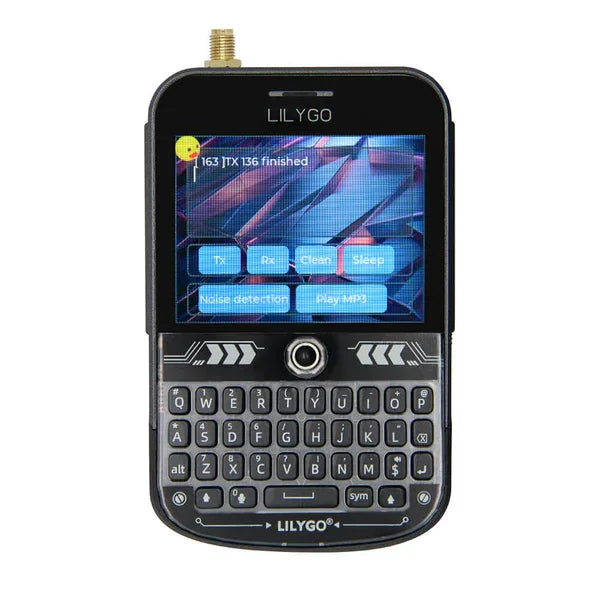
At first glance, the LILYGO T-Display P4 could easily be mistaken for a small smartphone. It has a sleek body, a 4.1‑inch AMOLED display, a camera, and even audio interfaces. But beneath this familiar exterior lies something very different: a fully open development board designed for makers, engineers, and IoT enthusiasts. Instead of being locked down like consumer electronics, the P4 invites you to explore, hack, and build.

The Heart of the Machine
The P4 is powered by the ESP32-P4 SoC, a dual‑core RISC‑V processor running at up to 360 MHz, paired with a low‑power 40 MHz core. This combination allows developers to balance performance and efficiency, making it suitable for both demanding tasks and battery‑sensitive applications. With 16MB of Flash and 32MB of PSRAM, the board can handle complex projects, from graphical interfaces to sensor fusion.
Connectivity is another highlight. The integrated ESP32-C6 brings Wi-Fi 6 and Bluetooth 5, ensuring modern wireless standards are supported. For long‑range communication, the SX1262 LoRa module opens the door to mesh networking and off‑grid messaging. Add Ethernet, dual USB‑C ports, USB‑A, and QWIIC expansion, and you have a board that can talk to almost anything.
This versatility reflects a broader trend in maker hardware: development boards are increasingly adopting consumer‑like designs to lower barriers for experimentation. Instead of bare PCBs that intimidate newcomers, devices like the P4 offer a polished, handheld form factor that feels familiar while remaining fully hackable.
Sensors, Interfaces, and Expansion
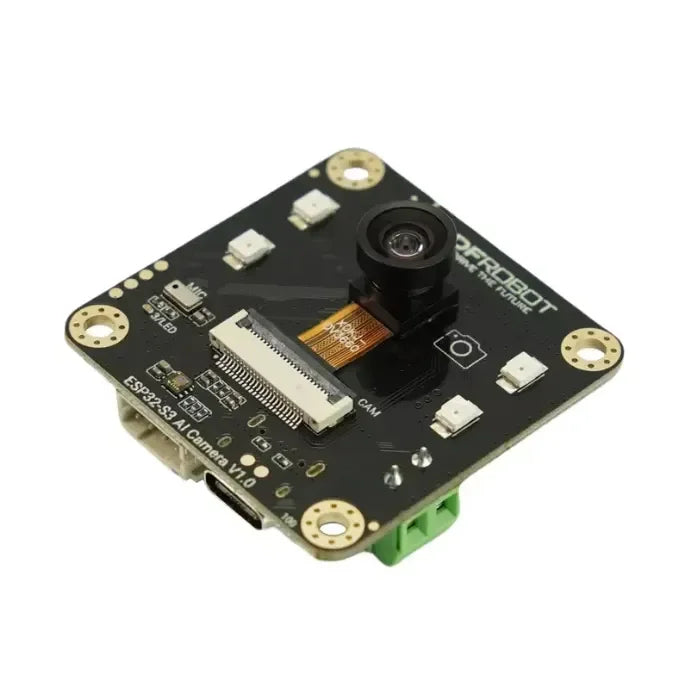
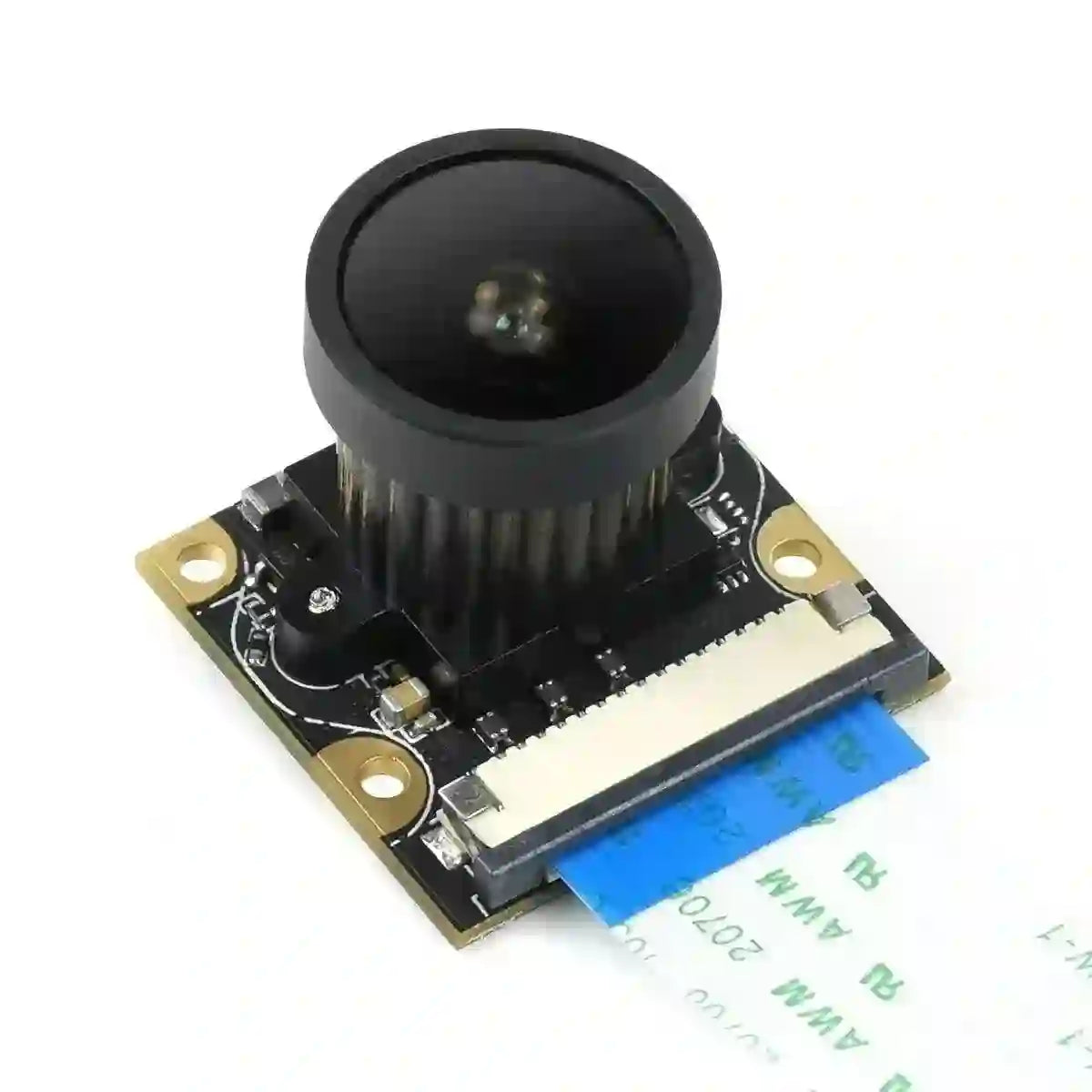
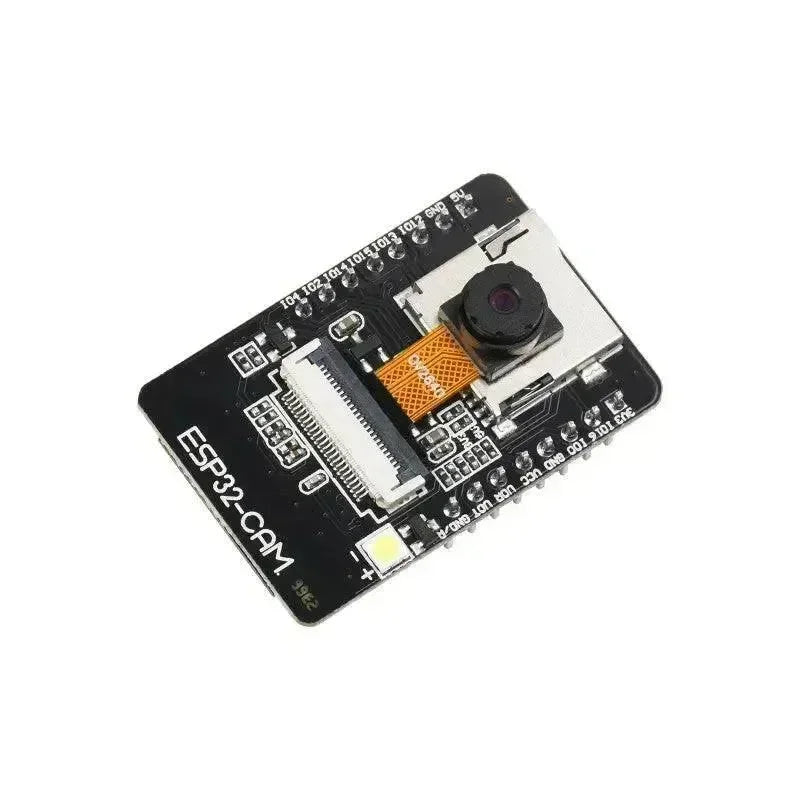
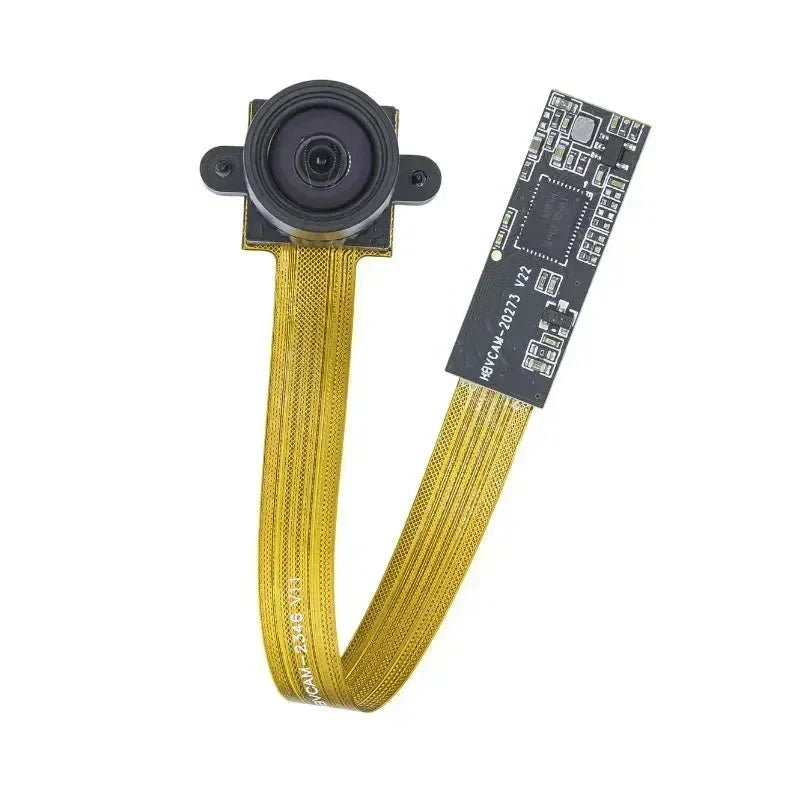
The P4 isn’t just about processing power and connectivity. It comes with a 2MP MIPI camera, a 9‑axis IMU, a microSD card slot, audio interfaces (speaker, microphone, headphone jack), and even a vibration motor. These peripherals make it possible to prototype devices that blend vision, motion, and sound. Imagine building a handheld surveillance tool, a portable gaming console, or a classroom demo board—all with the same hardware.
Open Source Ecosystem
One of the strengths of the T-Display P4 is its open ecosystem. The official GitHub repository provides firmware, documentation, and sample projects, making it easy to get started. Unlike closed consumer devices, you’re free to modify, extend, and integrate the board into your own systems. This openness is what makes it attractive to hobbyists and professionals alike.
What You Can Build
Here are just a few scenarios where the P4 shines:
-
Portable LoRa communicator: Create a handheld mesh device for off‑grid communication in outdoor adventures or disaster zones.
-
Mini monitoring station: Combine the camera and display to build a compact, battery‑powered surveillance tool.
-
IoT dashboard: Use the screen and wireless connectivity to monitor sensors or control smart devices.
-
Educational platform: Demonstrate RISC‑V architecture, wireless protocols, or embedded programming in a classroom setting.
-
Rapid prototyping: Test ideas quickly without needing bulky dev kits—whether it’s a handheld controller, a wearable, or a sensor hub.
Why It Matters
The T-Display P4 represents a shift in how development boards are designed. Instead of bare PCBs with headers, it offers a polished, consumer‑like form factor while remaining fully hackable. This lowers the barrier for newcomers, who can start experimenting without worrying about fragile wiring or complex setups. For experienced developers, it’s a portable lab that fits in a pocket.
In the broader context, the P4 reflects the growing importance of RISC‑V and ESP32 in the maker ecosystem. As open architectures gain traction, devices like this will help democratize hardware development, making advanced features accessible to anyone with curiosity and creativity.

Final Thoughts
The LILYGO T-Display P4 is not a smartphone—it’s something far more exciting. It’s a gateway to experimentation, a tool for learning, and a platform for innovation. Whether you’re building mesh networks, testing IoT ideas, or teaching embedded systems, the P4 gives you the freedom to explore. In a world where technology often hides behind locked doors, this little board reminds us that the future is open—and it fits right in your hand.


