openelab.de
 openelab.com













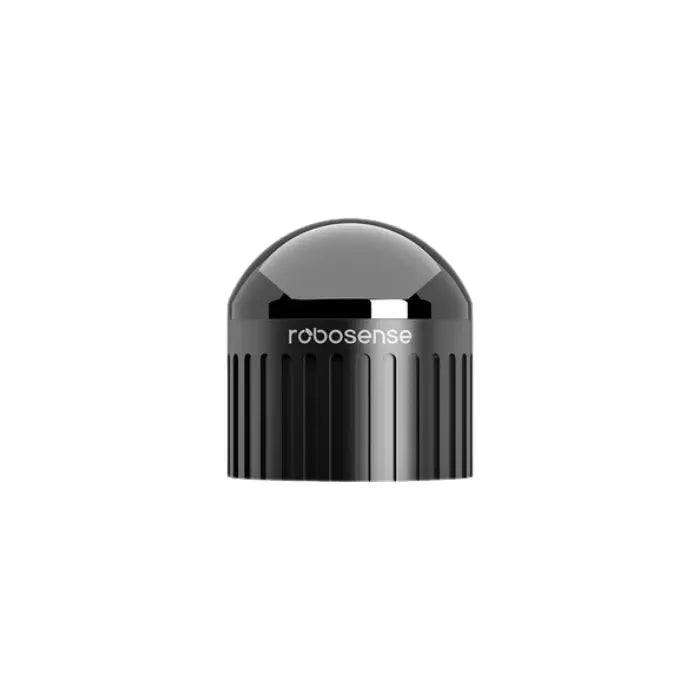
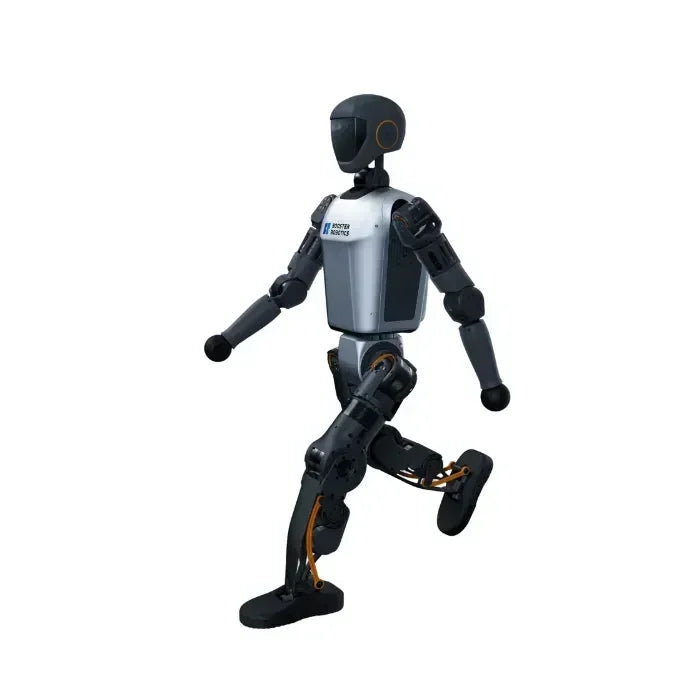

























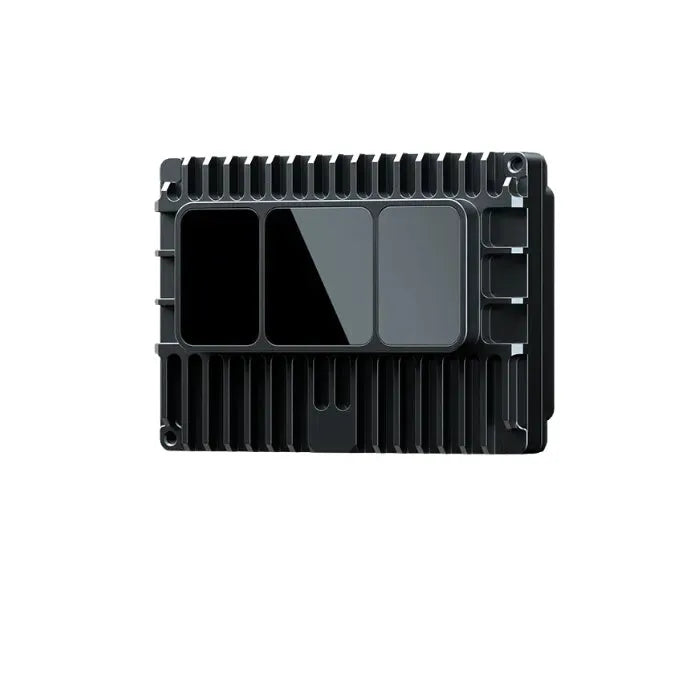
Šen-čen, Čína – 21. února 2025 – Dnes byl na základně Beta Smart Manufacturing v Nanshanu, Šen-čenu, dosažen historický milník, když společnost RoboSense dodala svůj miliontý LiDAR s vysokým počtem kanálů. Tento významný kus, digitální LiDAR E1R s plně polovodičovou konstrukcí, je určen pro „Qinglong“, první plnohodnotného otevřeného humanoidního robota na světě. Tato dodávka znamená klíčový okamžik, kdy průmysl LiDARů s vysokým počtem kanálů překročil hranici jednoho milionu kusů ve hromadné výrobě.

Tato zdánlivě běžná událost odráží hluboké změny čtvrté průmyslové revoluce lidstva. Jak se předpokládá, že globální trh s umělou inteligencí překročí do roku 2025 hodnotu 400 miliard dolarů, humanoidní roboti, zosobnění inteligence, přetvářejí výrobu, služby a společnost. S ročním složeným tempem růstu 23 % roste i jejich poptávka po pokročilých technologiích vnímání.
RoboSense: Průkopník ve hromadné výrobě LiDARů s vysokým počtem kanálů
Miliontý kus E1R, právě vyrobený, pochází ze společnosti RoboSense, „prvního výrobce LiDARů kotovaného na burze v Hongkongu“, který vstoupil na burzu v lednu minulého roku. Pouhý rok po vstupu na burzu RoboSense oznámil ambiciózní strategii v oblasti AI robotiky, přičemž E1R je jádrem jeho nabídky pro robotický sektor.
RoboSense E1R je špičkový plně polovodičový digitální LiDAR. Integruje první na světě vlastní digitální čip SPAD-SoC a 2D VCSEL čip, což je revoluční přístup zajišťující bezztrátová data o odrazech a vysoce věrné výstupy bodových mračen. Tato plně digitální architektura spolu s absencí pohyblivých částí zaručuje vynikající spolehlivost a odolnost.

Hlavní technické parametry a výhody E1R zahrnují:
- Velmi široké zorné pole (FOV): (šířka x výška) pro komplexní povědomí o situaci.
- Vysoká hustota 144 laserových kanálů: Zachycuje bohatá 3D data o prostředí, umožňující přesné zjištění velikosti, tvaru a vzdálenosti objektů v reálném čase.
- Výjimečná přesnost: cm, zajišťující spolehlivý výkon pro kritické robotické úkoly.
- Spolehlivost automobilové úrovně: Navrženo tak, aby odolalo drsným průmyslovým a venkovním podmínkám, včetně extrémních teplot ( až do ) a robustní ochranu proti vniknutí (IP67 & IP6K9K).
- Kompaktní a lehký design: Velikost pouze 69,5 x 95 x 43 mm a hmotnost 330 g (bez kabelu), což umožňuje snadnou integraci do různých robotických platforem, včetně humanoidních robotů.
- Nízká spotřeba energie: Optimalizováno pro systémy napájené bateriemi, spotřeba méně než 10 W.

RoboSense očekává, že E1R bude hlavním hybatelem prudkého růstu dodávek LiDARů pro robotiku v roce 2025, což dokazuje jeho potenciál posílit novou generaci inteligentních robotů v průmyslových, obchodních a servisních oblastech bez ohledu na světelné podmínky.
E1R posiluje „Qinglong“: Budoucnost humanoidních robotů
Robot „Qinglong“, nyní vybavený E1R, je prvním plnohodnotným otevřeným humanoidním robotem na světě. Nezávisle vyvinutý Národním a místním společným inženýrským výzkumným centrem pro humanoidní roboty, „Qinglong“ měří 185 cm, váží 80 kilogramů, má 43 aktivních stupňů volnosti a disponuje značným výpočetním výkonem.

Xing Boyang, ředitel výzkumu a vývoje centra, uvedl: „Naše inovační centrum přijalo LiDAR E1R pro společný vývoj produktů na platformě 'Qinglong', což urychluje vývoj a nasazení úkolů v různých scénářích.“
Při simulovaném školení inspekce jaderné elektrárny „Qinglong“ využívající schopnosti E1R předvedl modelování prostředí na úrovni centimetrů, což mu umožnilo samostatně se pohybovat složitými potrubními systémy a vyhýbat se překážkám. Skupina Shanghai Electric Nuclear Power uvedla, že takoví roboti by měli do roku 2025 nahradit 70 % vysoce rizikových operací a budou nasazeni ve čtvrté generaci jaderných elektráren. Tato reálná aplikace zdůrazňuje schopnost E1R poskytovat přesnost a spolehlivost nezbytnou pro kritické průmyslové úkoly.
Vize RoboSense: Komplexní platforma pro AI robotiku
Na online konferenci „Hello Robot“ 2025 RoboSense představil svou strategii stát se „technologickou platformou pro robotiku“, která poskytuje postupné komponenty a řešení pro inteligentní roboty.
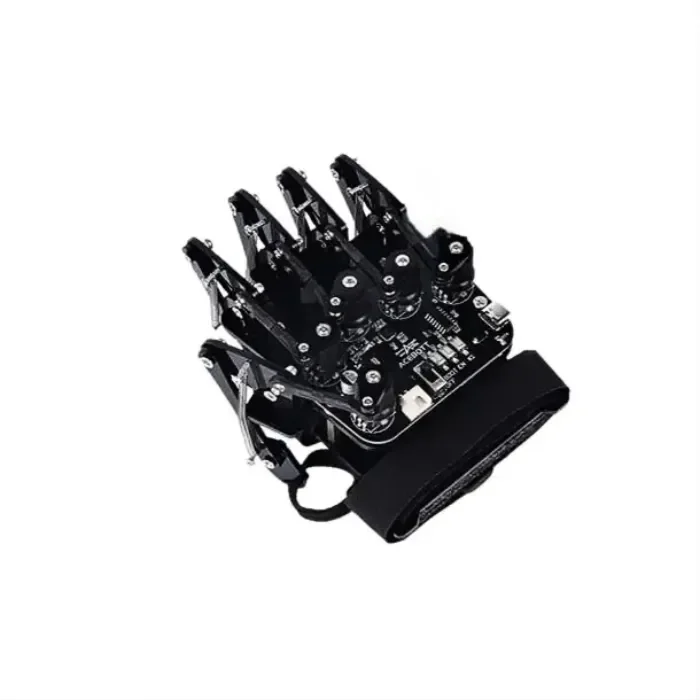
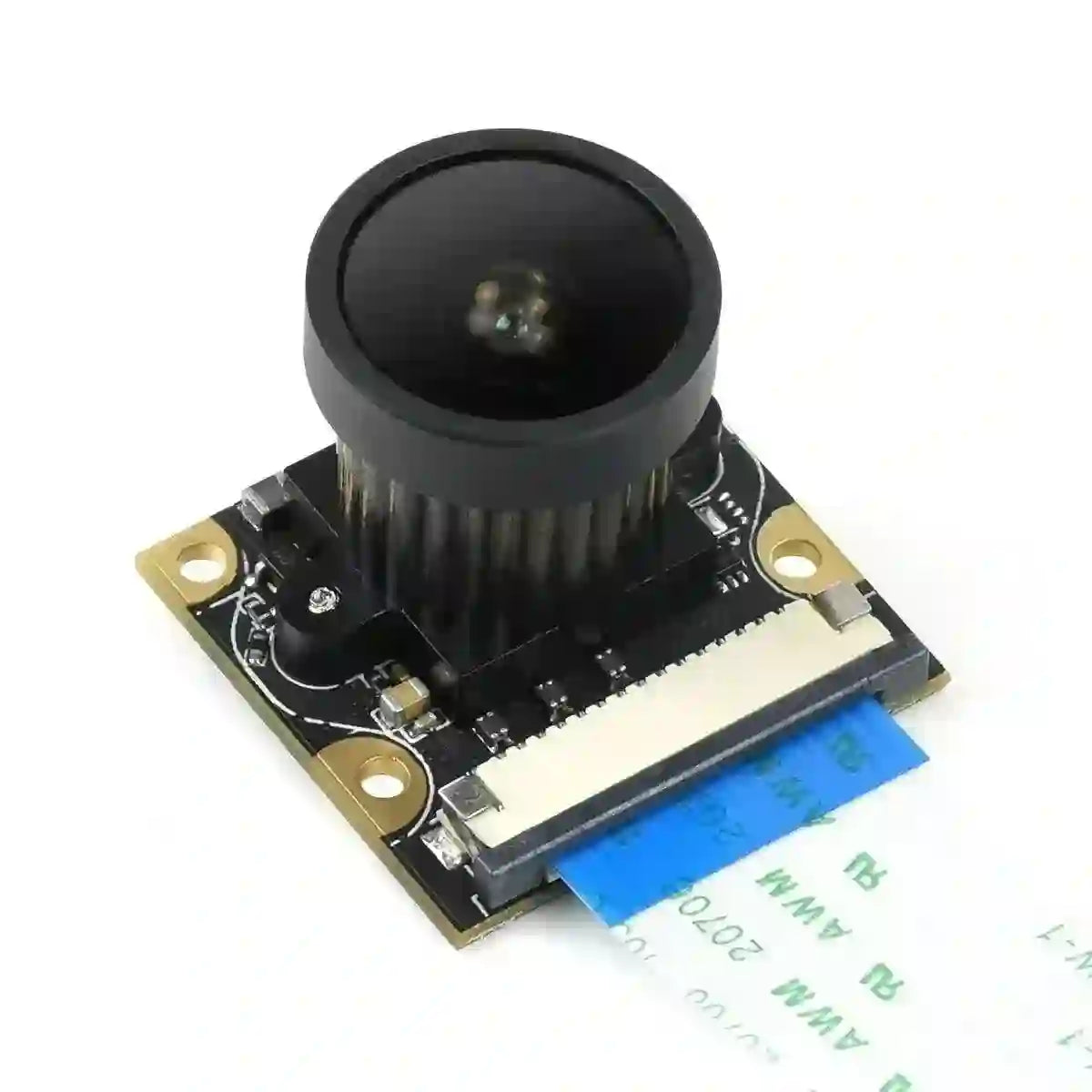
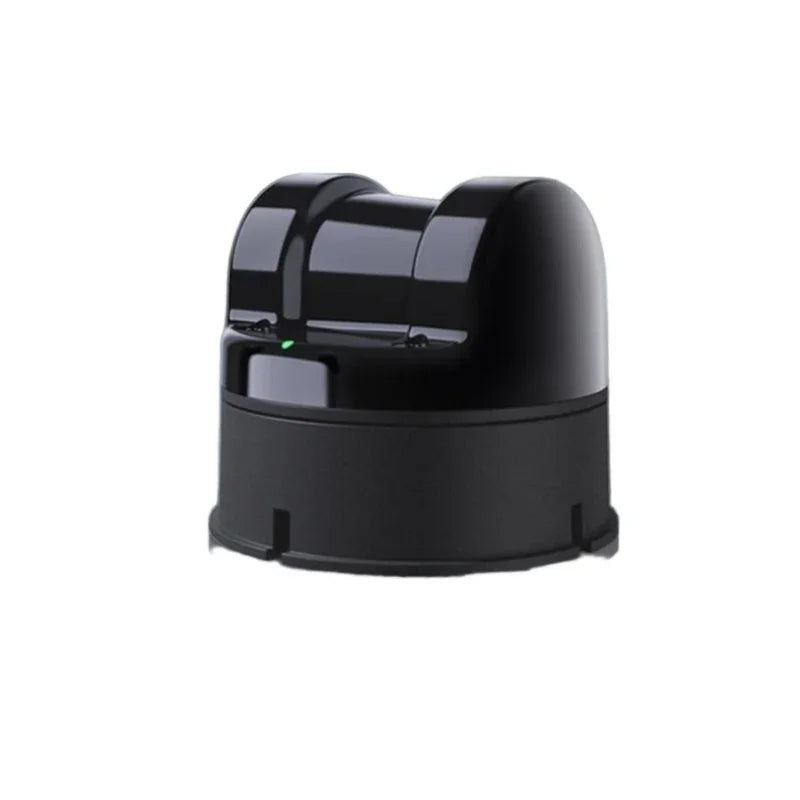
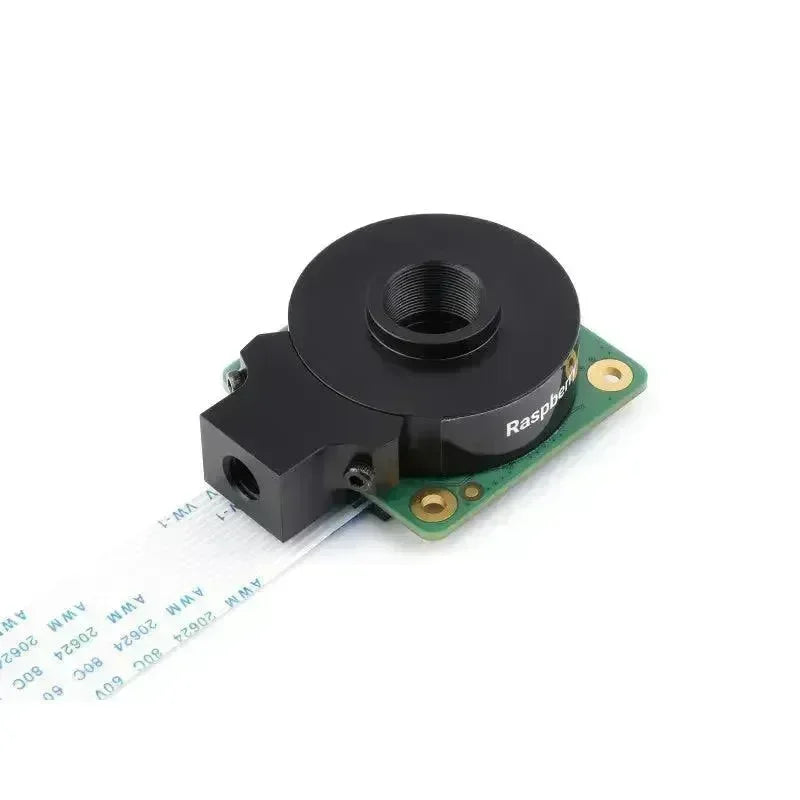
Kromě E1R zahrnuje rostoucí nabídka produktů RoboSense pro robotiku Airy LiDAR (pro složité vnitřní prostředí), aktivní kameru a obratnou ruku Papert 2.0. Tento komplexní ekosystém staví RoboSense do role klíčového partnera v rozvíjejícím se robotickém průmyslu.

Požadavky na vnímání humanoidních robotů: Kde E1R vyniká
Humanoidní roboti potřebují vnímací systémy, které dokážou modelovat složité dynamické scény v reálném čase, dosahovat milimetrové přesnosti a zajišťovat bezpečnost při soužití s lidmi. Tradiční zraková řešení často selhávají v náročných podmínkách, jako je slabé osvětlení, silné světlo nebo dynamické překážky, což činí LiDAR „nezbytnou potřebou“.
LiDAR aktivně vysílá laserové paprsky a poskytuje přesnost měření na úrovni centimetrů i v extrémních podmínkách, jako je tma, déšť nebo mlha. Například robot Unitree H1, známý z letošního jarního festivalu, využíval v hlavě LiDAR Helios vyvinutý RoboSense, který umožnil autonomní choreografie a úpravy pohybu v reálném čase, což ukazuje sílu LiDARu v uzavřených smyčkách „vnímání-akce“.

Budoucnost vnímání humanoidních robotů: Role E1R v integraci více senzorů a AI
Nezbytným směrem pro robotiku je sloučení více senzorů, integrující LiDAR s inerciálními měřicími jednotkami (IMU) a zrakovými senzory.
- LiDAR (např. RoboSense E1R): Poskytuje vysoce přesné 3D geometrické informace, klíčové pro detekci vzdálených a složitých překážek a rekonstrukci prostředí. Jeho 144 linií a zorné pole nabízí husté a široké vnímání.
- Zrakové senzory: Nabízejí bohaté informace o barvách a texturách pro rozpoznávání a třídění objektů.
- IMU: Poskytují rychlá data o pohybu, držení těla a zrychlení robota.
Sloučením těchto senzorů roboti překonávají omezení jednotlivých zařízení a zlepšují celkové vnímání prostředí. Pro přirozenou interakci člověka a robota poskytuje sloučení více senzorů komplexní data – například kombinace zraku a mikrofonních polí umožňuje robotům rozumět hlasovým příkazům a výrazům obličeje pro vhodnější reakce.
Dále zavedení velkých modelů umělé inteligence výrazně zlepšuje schopnosti LiDARu. Optimalizací algoritmů, sloučením multimodálních dat a generováním kvalitních tréninkových dat tyto modely dramaticky zvyšují výkon LiDARu. Synergie mezi pokročilým LiDARem, jako je E1R, a AI modely zvyšuje úroveň vnímání a inteligence humanoidních robotů.

Odborníci z oboru předpovídají několik klíčových směrů vývoje LiDARu, aby vyhověl konečným požadavkům humanoidních robotů, které všechny odpovídají silným stránkám E1R:
- Plně polovodičová konstrukce a miniaturizace: Jak dokládá RoboSense E1R, plně polovodičové LiDARy budou dominovat díky své vynikající spolehlivosti, odolnosti proti rušení a kompaktním rozměrům (69,5 x 95 x 43 mm), což usnadňuje integraci do humanoidních robotů.
- Vysoké rozlišení a přesnost: Budoucí LiDARy budou pokračovat v zvyšování počtu kanálů a rozlišení. Zatímco některé systémy zkoumají ještě vyšší hustoty, 144 linií E1R již poskytuje výrazně vysoce kvalitní bodové mračno ve srovnání s mnoha stávajícími řešeními, což nabízí robustní porozumění prostředí.
- Hluboké sloučení s velkými AI modely: Digitální architektura E1R, která zachovává bezztrátová data o odrazech, je ideální pro integraci s generativními modely (jako LidarDM) a AI, což umožňuje trénink optimalizovaných modelů vnímání a zlepšuje přizpůsobivost a rozhodování robota.
-
Spolupráce více senzorů: Přesná 3D data E1R tvoří klíčový základ pro sloučení multimodálních dat, zlepšující celkové vnímání prostředí a sémantické porozumění pomocí pokročilých AI algoritmů.
Orientace na trhu s LiDARy pro robotiku: Za hranicemi mentality „cenové války“
Zatímco automobilový sektor zaznamenal dramatické snižování cen LiDARů díky hromadné výrobě a standardizaci, trh humanoidních robotů představuje odlišnou dynamiku. Humanoidní roboti, s vysokými náklady na hardware (zejména kloubové moduly tvořící 40–50 %), mají jedinečné požadavky.
Na rozdíl od jednotných požadavků automobilových výrobců je trh humanoidních robotů roztříštěný, s různorodými aplikačními scénáři – od domácností po továrny – což vede k vysokým nárokům na přizpůsobení. To ztěžuje standardizované snižování nákladů řízené „cenovou válkou“. Navíc LiDAR tvoří menší část celkových nákladů humanoidního robota, což omezuje dopad snižování cen na celkové výdaje.
Z hlediska technologické vyspělosti, zatímco automobilové LiDARy jsou zralé, humanoidní roboti vyžadují specializované vlastnosti, jako je extrémní odlehčení a odolnost proti rušení. RoboSense E1R, se svými kompaktními rozměry (330 g) a robustním výkonem v náročných podmínkách, tyto potřeby přímo řeší. Průmysl je stále v rané fázi, což naznačuje, že technologické směry a design produktů, nikoli pouze rozsah výroby, budou hlavními faktory ovlivňujícími náklady.
I kdyby došlo k „cenové válce“, pravděpodobně bude lokální. Vysoce kvalitní humanoidní roboti (za stovky tisíc až miliony jüanů) upřednostňují přísné požadavky na výkon před cenou, což činí pokročilé LiDARy jako E1R nezbytnými. Pro střední a nižší třídu „ekonomických“ humanoidních robotů, ačkoliv jsou citliví na cenu, současná vyspělost dodavatelského řetězce omezuje agresivní snižování cen bez ztráty klíčového výkonu.

Na závěr, RoboSense E1R není jen senzorem; je to základní technologie, která pohání rozvoj humanoidních robotů a širšího robotického průmyslu. Jeho spolehlivost na úrovni automobilového průmyslu, špičková polovodičová architektura, vysoce kvalitní vnímání a kompaktní design z něj činí bezkonkurenční volbu pro inovátory, kteří chtějí plně využít potenciál zosobněné inteligence.
Reference
- https://www.robosense.ai/en/IncrementalComponents/E1R
- https://mp.weixin.qq.com/s/c2fRneG-2tYceyurg3Vk9A
Upozornění: Tento obsah je sdílen s přátelskými úmysly. Pokud jsou porušena jakákoli práva, prosíme o rychlé upozornění, a my jej okamžitě odstraníme.