openelab.de
 openelab.com


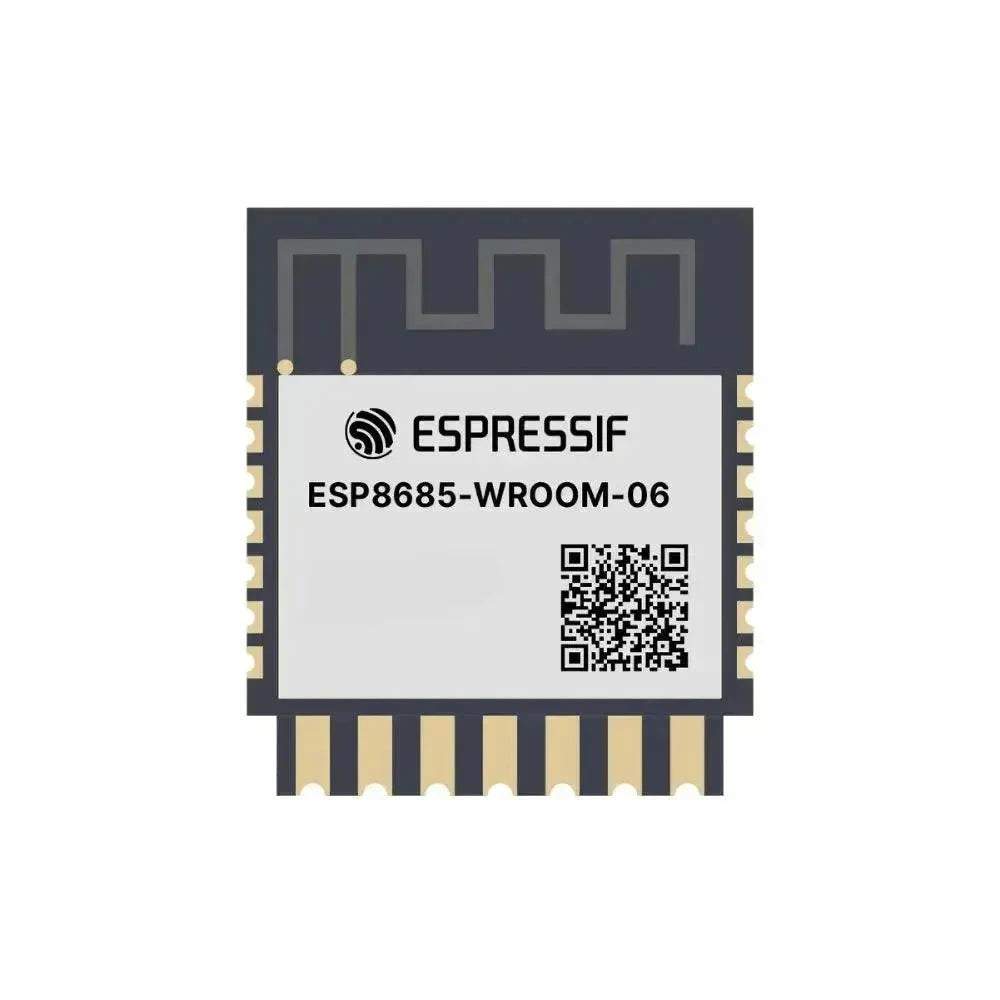





































Cos’è il Ai-Thinker UWB BU03 DW3000 Plan Kit? È una piattaforma di sviluppo Ultra-Wideband (UWB) ad alta precisione basata sul transceiver della serie Qorvo DW3000, progettata da Ai-Thinker per abilitare applicazioni di posizionamento e misurazione della distanza a livello di centimetro. Il kit integra il modulo UWB BU03 con un microcontrollore STM32F103, offrendo agli sviluppatori un ecosistema completo hardware e software per costruire sistemi di posizionamento indoor, soluzioni di tracciamento asset e dispositivi IoT con consapevolezza di prossimità. Con supporto agli standard IEEE 802.15.4-2015 e IEEE 802.15.4z, il BU03-Kit offre una precisione di posizionamento fino a 10 cm e velocità di trasmissione dati di 6,8 Mbps, rendendolo adatto ad applicazioni esigenti in robotica, magazzini intelligenti, sanità e automazione industriale.
Comprendere la Tecnologia UWB
Ultra-Wideband (UWB) è una tecnologia radio che opera su una banda di frequenza molto ampia (superiore a 500 MHz) a livelli di potenza molto bassi. A differenza delle tradizionali tecnologie wireless a banda stretta, l’UWB trasmette informazioni generando energia radio a intervalli di tempo specifici usando impulsi estremamente brevi. Questo approccio consente misurazioni precise del tempo di volo, che costituiscono la base delle capacità di posizionamento a livello di centimetro dell’UWB.
Il FiRa Consortium e le principali aziende tecnologiche tra cui Apple, Samsung e NXP hanno promosso l’adozione dell’UWB nell’elettronica di consumo. La tecnologia si trova ora in smartphone di punta, smartwatch e dispositivi di tracciamento come Apple AirTag. L’immunità dell’UWB alle interferenze da percorsi multipli la rende particolarmente efficace negli ambienti interni dove i segnali GPS non arrivano.
Specifiche Tecniche
Scheda di Sviluppo BU03-Kit
| Parametro | Specifiche |
|---|---|
| Modello | BU03-Kit |
| Package | DIP-40 |
| Dimensioni | 35,56 × 55,00 mm (±0,2 mm) |
| Modulo Core | BU03 (SMD-24) |
| Microcontrollore | STM32F103 |
| Chip UWB | Qorvo DW3000 |
| Antenna | Antenna ceramica integrata |
| Frequenza Centrale | CH5 (6489,5 MHz) / CH9 (7987,2 MHz) |
| Temperatura di Funzionamento | -40℃ ~ 85℃ |
| Alimentazione | USB Type-C o pin 3.3V / 5V |
| Corrente di Alimentazione | ≥ 500 mA |
| Interfacce | UART, I2C, SPI |
| Pin GPIO | 20 GPIO |
Specifiche del Modulo BU03
| Parametro | Specifiche |
|---|---|
| Modello | BU03 |
| Package | SMD-24 |
| Dimensioni | 23,0 × 13,0 × 2,5 mm |
| Interfaccia | SPI |
| GPIO | 9 pin |
| Tensione | 2.5V ~ 3.6V (tipico 3.3V) |
| Corrente | ≥ 200 mA |
Prestazioni Wireless
| Caratteristica | Capacità |
|---|---|
| Precisione di Posizionamento | Fino a 10 cm |
| Velocità di Trasmissione Dati | 850 Kbps / 6.8 Mbps |
| Standard | IEEE 802.15.4-2015, IEEE 802.15.4z BPRF |
| Canali | CH5 (6.4895 GHz), CH9 (7.9872 GHz) |
| Metodi di Posizionamento | TWR, TDOA, PDOA |
| Crittografia | AES-256 hardware |
| Corrente in Sleep | < 1 µA |
Configurazione Sviluppo
Requisiti Hardware
Per iniziare lo sviluppo con il BU03-Kit, ti serviranno:
- Minimo 2x schede BU03-Kit per dimostrazioni ranging
- 4x schede BU03-Kit per posizionamento base (3 ancore + 1 tag)
- Cavo USB Type-C per alimentazione e programmazione
- Computer Windows, Linux o macOS
- Opzionale: Moduli BU03 aggiuntivi per design PCB personalizzati
Varianti Kit
La linea di prodotti Ai-Thinker BU03 include diverse configurazioni di kit:
| Variante | Contenuti | Applicazione |
|---|---|---|
| Kit BU03 | Scheda di sviluppo singola | Test modulo individuale |
| Kit PDOA | Più schede per PDOA | Posizionamento angolo di arrivo |
| Kit Ranging TWR | 2+ schede per ranging bidirezionale | Misurazione distanza |
| Kit Posizionamento TWR | 4+ schede per posizionamento | Implementazione completa RTLS |
Configurazione Software
Passo 1: Installa Strumenti di Sviluppo
Scarica e installa il seguente software:
- STM32CubeIDE o Keil MDK per sviluppo STM32
- Driver USB-to-UART (CH340 o CP2102 a seconda della scheda)
- Software terminale seriale (PuTTY, Tera Term o Arduino Serial Monitor)
Passo 2: Scarica SDK e Documentazione
Ai-Thinker fornisce risorse di sviluppo complete:
- Specifiche BU03-Kit
- Datasheet Modulo BU03
- Riferimento Comandi AT
- SDK disponibile tramite Baidu Pan (codice di estrazione: oh0s)
Passo 3: Collega l'hardware
- Collega il BU03-Kit al computer tramite USB Type-C
- Installa i driver se richiesto
- Apri il terminale seriale a 115200 baud (predefinito)
- Il LED di alimentazione dovrebbe accendersi, indicando connessione riuscita
Interfacce di Programmazione
Modalità Comando AT
Il BU03-Kit supporta comandi AT per prototipazione rapida senza sviluppo firmware. Questa modalità è ideale per test e applicazioni semplici.
Comandi AT di base:
| Comando | Funzione | Risposta |
|---|---|---|
| AT | Testa la connessione | OK |
| AT+VERSION | Ottieni versione firmware | Stringa versione |
| AT+ADDR? | Interroga l'indirizzo del dispositivo | +ADDR:xxxx |
| AT+RANGE=<indirizzo> | Misura la distanza dal dispositivo | +RANGE:xx.xxm |
| AT+MODE=<modalità> | Imposta modalità operativa | OK |
Programmazione Interfaccia SPI
Per applicazioni avanzate, gli sviluppatori possono comunicare direttamente con il chip DW3000 tramite SPI. Il DW3000 offre un set completo di registri per controllare tutti gli aspetti della comunicazione UWB.
Configurazione SPI:
- Modalità: Modalità SPI 0 (CPOL=0, CPHA=0)
- Clock: fino a 20 MHz
- Ordine dati: MSB primo
- Chip Select: attivo basso
Sviluppo firmware STM32
Il microcontrollore STM32F103 a bordo può essere programmato usando strumenti di sviluppo ARM standard. Ai-Thinker fornisce progetti di esempio che dimostrano:
- Inizializzazione e configurazione base UWB
- Implementazione del two-way ranging
- Algoritmi di posizionamento TDOA
- Gestione modalità a basso consumo
- Controllo GPIO e periferiche
Implementazione dei metodi di posizionamento
Two-Way Ranging (TWR)
TWR è il metodo di posizionamento UWB più semplice, misura la distanza tra due dispositivi tramite scambio di messaggi. Il BU03-Kit implementa TWR attraverso il seguente processo:
- Dispositivo A invia un messaggio poll con timestamp t1
- Dispositivo B riceve al timestamp t2 e risponde dopo il ritardo
- Dispositivo A riceve la risposta al timestamp t4
- Distanza = (t4 - t1 - ritardo) × velocità_della_luce / 2
TWR fornisce misurazioni di distanza accurate tra coppie di dispositivi ma richiede comunicazione diretta tra ogni coppia.
Differenza temporale di arrivo (TDOA)
TDOA consente sistemi di posizionamento scalabili usando più anchor. Il tag trasmette un singolo messaggio blink e più anchor registrano i tempi di arrivo. La posizione è calcolata dalle differenze temporali tra gli anchor.
Requisiti di sistema TDOA:
- Minimo 3 anchor per posizionamento 2D
- Minimo 4 anchor per posizionamento 3D
- Sincronizzazione temporale tra anchor
- Processore centrale per il calcolo della posizione
Il TWR Position Kit fornisce l'hardware necessario per l'implementazione TDOA.
Differenza di fase di arrivo (PDOA)
PDOA utilizza la differenza di fase del segnale ricevuto su più antenne per determinare l'angolo di arrivo. Questo metodo consente il posizionamento con un singolo anchor se combinato con dati di distanza.
Il PDOA Kit include hardware specializzato per la stima dell'angolo, abilitando applicazioni come droni "follow-me" e navigazione autonoma.
Esempi di codice
Inizializzazione base UWB
Il seguente pseudo-codice illustra la sequenza di inizializzazione per il DW3000:
// Inizializza interfaccia SPI
spi_init(SPI_MODE_0, 8000000);

// Reset DW3000
dw3000_reset();

// Configura parametri di base
dw3000_set_channel(CHANNEL_5);      // 6489,5 MHz
dw3000_set_preamble_length(64);     // 64 simboli
dw3000_set_data_rate(DWT_BR_6M8);   // 6,8 Mbps

// Carica dati di calibrazione
dw3000_load_lde_code();

// Configura interruzioni
dw3000_enable_interrupt(RX_OK | TX_OK);

// Entra in modalità inattiva
dw3000_set_mode(DWT_IDLE);
Esempio Semplice di Ranging
// Iniziatore (Dispositivo A)
void initiator_ranging(uint16_t responder_addr) {
    // Prepara messaggio di ranging
    tx_buffer[0] = RANGING_POLL;
    tx_buffer[1] = responder_addr >> 8;
    tx_buffer[2] = responder_addr & 0xFF;

    // Registra tempo di trasmissione
    tx_time = dw3000_get_tx_timestamp();

    // Invia messaggio poll
    dw3000_transmit(tx_buffer, 3);

    // Attendi risposta
    if (dw3000_wait_rx(100)) {
        rx_time = dw3000_get_rx_timestamp();

        // Calcola distanza
        round_trip_time = rx_time - tx_time;
        distance = (round_trip_time * SPEED_OF_LIGHT) / 2;
    }
}
Gestione Energetica
// Entra in modalità deep sleep
void enter_sleep_mode() {
    // Salva configurazione
    dw3000_save_config();

    // Configura la sorgente di risveglio
    dw3000_set_wakeup_pin(WAKEUP_PIN);
    dw3000_set_wakeup_interval(1000); // 1 secondo

    // Entra in modalità sleep
    dw3000_enter_sleep(DWT_DEEP_SLEEP);
}

// Risveglio dalla modalità sleep
void wakeup_handler() {
    // Ripristina configurazione
    dw3000_restore_config();

    // Re-inizializza se necessario
    dw3000_reinit();
}
Integrazione con Altri Sistemi
Combinazione con Sensori Radar
Il BU03-Kit può essere combinato con sensori radar Ai-Thinker per una consapevolezza ambientale completa:
- Rd-03: Rilevamento presenza umana a 24GHz
- Rd-03D: Tracciamento multi-obiettivo con posizionamento
- Rd-03E: Misurazione distanza e riconoscimento gesti
- Rd-04: Rilevamento movimento a basso consumo
Opzioni di Connettività Wireless
Abbina il BU03-Kit con moduli Ai-Thinker BLE per la trasmissione dati wireless:
- TB-02: Bluetooth 5.0 con rete mesh
- TB-04: Modulo BLE 5.0 compatto
- TB-05: BLE con supporto Tmall Genie
Integrazione del Controllo Vocale
Aggiungi funzionalità di controllo vocale utilizzando il Modulo Vocale Intelligente VC-01 per l'operazione a mani libere dei sistemi di posizionamento.
Applicazioni e casi d'uso
Sistemi di posizionamento indoor
Il BU03-Kit consente un posizionamento indoor preciso dove il GPS fallisce. Le applicazioni includono:
- Tracciamento degli asset e gestione dell'inventario in magazzino
- Tracciamento di attrezzature ospedaliere e pazienti
- Navigazione e analisi nei centri commerciali
- Monitoraggio della sicurezza dei lavoratori in fabbrica
Robotica e veicoli autonomi
L'UWB fornisce un posizionamento affidabile per applicazioni robotiche:
- Navigazione di robot mobili autonomi
- Posizionamento di droni e modalità follow-me
- Tracciamento di veicoli a guida automatica (AGV)
- Sistemi di evitamento collisioni
Smart Home e IoT
L'integrazione con sistemi smart home consente:
- Accesso senza chiave con rilevamento preciso della prossimità
- Illuminazione intelligente basata sull'occupazione della stanza
- Controllo personalizzato dell'ambiente
- Monitoraggio di bambini e animali domestici
Sicurezza industriale
Le applicazioni industriali sfruttano l'UWB per:
- Avvisi di prossimità per lavoratori vicino a macchinari pericolosi
- Tracciamento del personale in spazi confinati
- Raduno e rendicontazione in caso di evacuazione
- Geofencing e applicazione di aree ristrette
Argomenti avanzati
Procedure di calibrazione
Una misurazione UWB accurata richiede una calibrazione adeguata:
- Calibrazione del ritardo dell'antenna: Misurare e compensare i ritardi di elaborazione del segnale
- Compensazione dello scostamento dell'orologio: Considerare le variazioni di frequenza del cristallo
- Compensazione della perdita di percorso: Regolare per fattori ambientali
- Compensazione della temperatura: Mantenere l'accuratezza nell'intervallo di temperatura operativa
Mitigazione del multipercorso
Sebbene l'UWB sia intrinsecamente resistente agli effetti multipercorso, ambienti difficili possono richiedere:
- Algoritmi di rilevamento del primo percorso
- Analisi della risposta all'impulso del canale
- Media di misurazioni multiple
- Correzione degli errori basata su machine learning
Considerazioni sulla sicurezza
Il BU03-Kit implementa le funzionalità di sicurezza IEEE 802.15.4z:
- Sequenza di timestamp criptata (STS) per l'integrità della misurazione
- Crittografia AES-256 per la protezione del payload
- Protocolli di misurazione sicuri per prevenire attacchi di relay
- Autenticazione del dispositivo e gestione delle chiavi
Risoluzione dei problemi
Problemi comuni
| Problema | Possibile causa | Soluzione |
|---|---|---|
| Nessuna risposta ai comandi AT | Velocità di trasmissione errata | Controllare le impostazioni seriali (default 115200) |
| Risultati di misurazione della distanza incoerenti | Interferenza multipercorso | Regolare l'orientamento dell'antenna, aggiungere calibrazione |
| Alto consumo energetico | Modalità sleep non abilitata | Implementare codice di gestione energetica |
| Comunicazione SPI fallita | Modalità SPI errata | Usare la Modalità 0, controllare il cablaggio |
| Prestazioni di portata scadenti | Interferenza del canale | Passare tra CH5 e CH9 |
Tecniche di debug
- Usare l'output seriale per il monitoraggio dello stato
- Implementare indicatori GPIO per la visualizzazione dello stato
- Monitorare il consumo energetico con multimetro
- Usa l'analizzatore di spettro per verificare la selezione del canale
- Confronta i risultati con distanze di riferimento note
Prodotti Correlati
Ai-Thinker offre un ecosistema completo di moduli che completano il BU03-Kit:
Prodotti UWB
- BU03 Module - Modulo UWB standalone per progetti personalizzati
- BU04-Kit - Kit UWB avanzato con doppie antenne e STM32F103
Radar a Onde Millimetriche
- Rd-01 - Radar 24GHz con Wi-Fi e BLE
- Rd-03 V2 - Sensore presenza umana a 24GHz
- Rd-03D - Radar per rilevamento multi-obiettivo
- Rd-03D V2 - Versione migliorata con chip ICL1122
- Rd-03E - Rilevamento distanza e gesti
- Rd-04 - Sensore di movimento a 10GHz a basso consumo
- RD-03L V2 - Rilevamento presenza a ultra basso consumo
Moduli Bluetooth
- TB-02 - Modulo Bluetooth 5.0 mesh
- TB-03F - Modulo BLE compatto per illuminazione
- TB-04 - BLE 5.0 a basso consumo energetico
- TB-05 - BLE con supporto Tmall Genie
Strumenti di Sviluppo
- Radar Debugging Board - Piattaforma di sviluppo per moduli radar
Risorse Esterne
- Wikipedia: Ultra-wideband - Panoramica completa sulla tecnologia UWB
- Qorvo DW3000 Product Page - Documentazione ufficiale del chip
- FiRa Consortium - Standard industriali UWB ed ecosistema
- Specifiche BU03-Kit - Documentazione hardware ufficiale
- Riferimento Comandi AT - Documentazione interfaccia comandi
- Standard IEEE 802.15.4-2015 - Standard di comunicazione UWB
- Riferimento STM32F103 - Documentazione MCU
- Supporto UWB Android - Integrazione piattaforma mobile
- Apple Nearby Interaction - Framework UWB per iOS
- Soluzioni UWB NXP - Implementazioni alternative UWB
FAQ
Qual è la differenza tra BU03-Kit e BU03 Module?
Il BU03-Kit è una scheda di sviluppo completa con microcontrollore STM32F103, interfaccia USB e 20 pin GPIO. Il BU03 Module è il modulo transceiver UWB standalone con interfaccia SPI, progettato per l'integrazione in progetti PCB personalizzati.
Quante schede BU03-Kit servono per un sistema di posizionamento?
Per il ranging bidirezionale di base, servono 2 schede. Per il posizionamento 2D usando TDOA, servono almeno 3 ancore più 1 tag (4 in totale). Per il posizionamento 3D, servono almeno 4 ancore più 1 tag (5 in totale). Il TWR Position Kit fornisce la configurazione raccomandata per applicazioni di posizionamento.
Qual è la portata massima del BU03-Kit?
La portata pratica dipende dalle condizioni ambientali e dalla configurazione. In ambienti interni aperti, il BU03-Kit può raggiungere 50-100 metri. Ostacoli, interferenze e orientamento dell'antenna ridurranno questa portata. Per una portata estesa, considera l'uso di antenne esterne o il BU04-Kit con supporto antenna IPEX.
Posso usare il BU03-Kit con Arduino?
Sì, il BU03-Kit può interfacciarsi con Arduino tramite UART o SPI. Usa la modalità comando AT per applicazioni semplici, oppure implementa la libreria driver DW3000 per funzionalità avanzate. Il codice di esempio è disponibile nell'SDK Ai-Thinker.
Quale linguaggio di programmazione è supportato?
Lo STM32F103 sul Kit BU03 può essere programmato in C/C++ usando STM32CubeIDE, Keil MDK o Arduino IDE. Il chip DW3000 richiede programmazione a livello di registro, e Ai-Thinker fornisce codice di esempio basato su C.
Il Kit BU03 è compatibile con dispositivi Apple U1 o Samsung UWB?
Il chip DW3000 è interoperabile con i chip Apple U1 e U2 quando si utilizzano protocolli conformi a FiRa. Tuttavia, il framework Nearby Interaction di Apple richiede la certificazione MFi per prodotti commerciali.
Come aggiorno il firmware?
Il firmware può essere aggiornato tramite l'interfaccia USB Type-C usando la modalità bootloader STM32. Tieni premuto il pulsante BOOT0 mentre resetti la scheda per entrare in modalità bootloader, quindi usa STM32CubeProgrammer o strumenti simili per caricare il nuovo firmware.
Quali opzioni di alimentazione sono disponibili?
Il Kit BU03 supporta più fonti di alimentazione: USB Type-C (5V), pin 3.3V o pin 5V. Il regolatore a bordo fornisce una tensione stabile di 3.3V al modulo UWB. Assicurati che la tua alimentazione possa erogare almeno 500mA durante i picchi di trasmissione.
Conclusione
Il Ai-Thinker UWB BU03 DW3000 Plan Kit fornisce agli sviluppatori una piattaforma potente per implementare applicazioni di posizionamento e misurazione della distanza a livello di centimetro. Con la sua base Qorvo DW3000, opzioni di interfaccia complete e supporto per i metodi di posizionamento TWR, TDOA e PDOA, il Kit BU03 accelera lo sviluppo di sistemi di posizionamento indoor, navigazione robotica e dispositivi IoT consapevoli della prossimità.
L'ampio ecosistema di sensori radar, moduli BLE e strumenti di sviluppo di Ai-Thinker permette una rapida prototipazione di applicazioni complesse che combinano il posizionamento UWB con il rilevamento ambientale e la connettività wireless. Che tu stia costruendo un sistema di tracciamento per magazzini intelligenti, un robot autonomo o un dispositivo di prossimità per consumatori, il Kit BU03 offre la precisione e la flessibilità necessarie per applicazioni moderne basate sulla consapevolezza della posizione.
Per le implementazioni in produzione, considera il Modulo BU03 per l'integrazione personalizzata su PCB o il Kit BU04 per funzionalità avanzate tra cui antenne doppie e GPIO ampliati. Con una corretta calibrazione e l'implementazione di funzionalità di sicurezza, la tecnologia UWB consente una nuova generazione di servizi di localizzazione precisi e affidabili.