openelab.de
 openelab.com











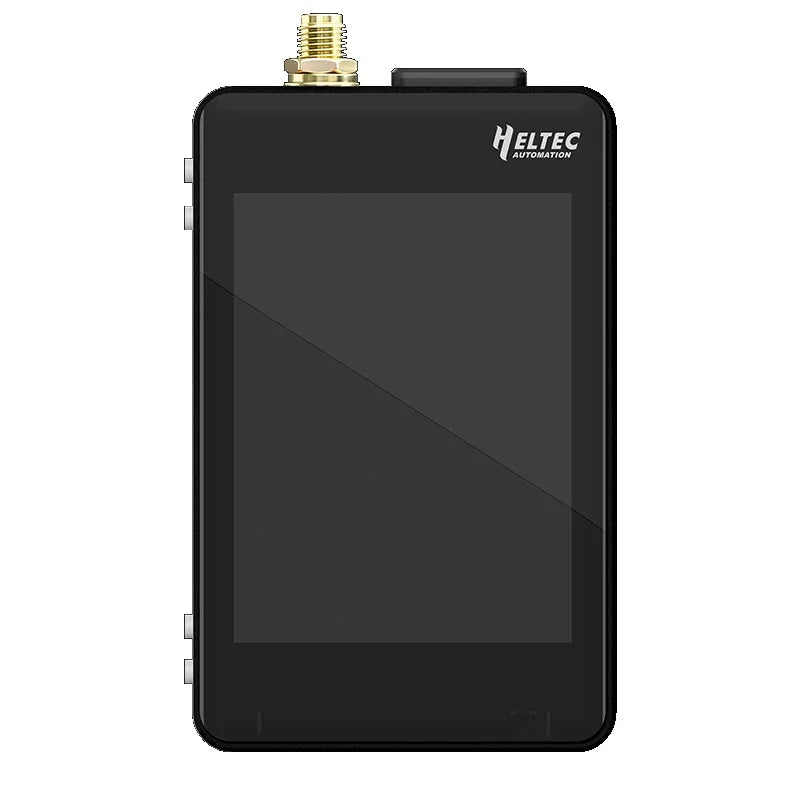


























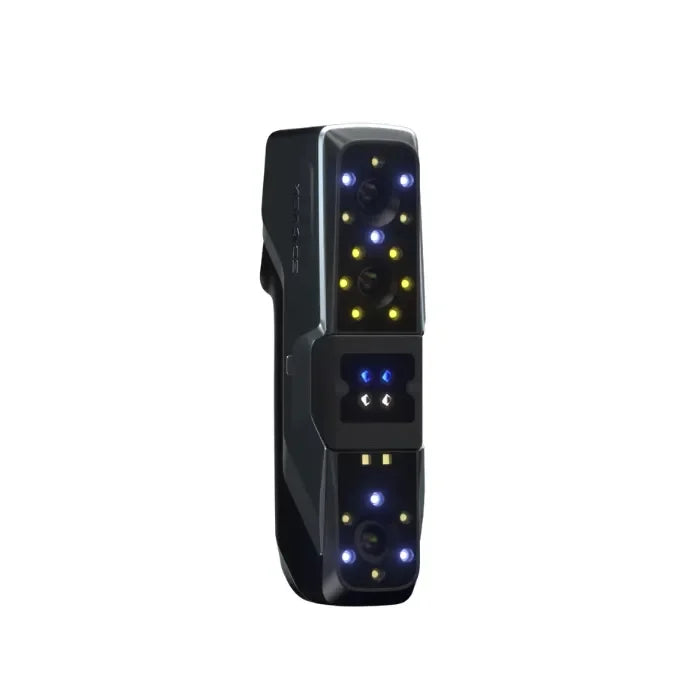
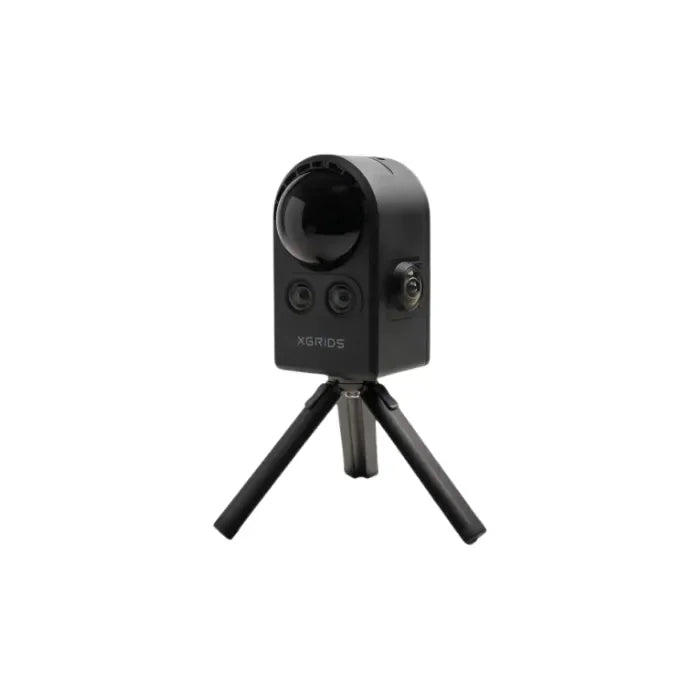
The XGRIDS PortalCam Standard Kit doesn't look like much at first glance. A handheld gray box with a screen. But once you start scanning, you'll understand why I'm calling this a genuine shift in 3D capture technology. It merges LiDAR depth sensing with real-time 3D Gaussian Splatting—the first time this combination has been available in a portable, consumer-accessible form factor.
I've tested a lot of 3D scanners over the years. Most promise photorealistic results and deliver point clouds that need hours of cleanup. This one actually delivers. You're not getting a sparse point cloud. You're capturing a radiance field that understands how light behaves in the space. The result drops straight into Unreal Engine, Unity, or WebGL viewers without the traditional photogrammetry headache.

What You're Actually Getting
The PortalCam Standard combines three core technologies: a Time-of-Flight LiDAR sensor for depth, an RGB camera array for color, and dedicated edge AI for real-time 3D Gaussian Splatting reconstruction. The LiDAR isn't your smartphone's toy depth camera—it provides millimeter-accurate depth maps across the scanning range. Meanwhile, the RGB array captures texture and color simultaneously.
Here's where it gets interesting. Traditional NeRF methods require training times measured in hours. 3D Gaussian Splatting takes a completely different approach. Instead of voxels or meshes, the scene becomes millions of 3D Gaussians—each with position, shape, color, and opacity. These splats rasterize in real-time on modern GPUs. No neural network training required. That means instant feedback while you're scanning and editable outputs you can manipulate in standard software.
The onboard display shows the Gaussian reconstruction building as you walk around. You'll know immediately if you missed a spot. No more guessing whether you got complete coverage.
Core Specifications
| Specification | Details |
|---|---|
| Scanning Technology | LiDAR + RGB Camera Array + 3D Gaussian Splatting |
| Depth Sensing | LiDAR (Time-of-Flight) |
| RGB Resolution | 4K |
| Output Format | 3D Gaussian Splat (.ply, .splat), Point Cloud, Mesh |
| Real-time Preview | Yes, onboard display |
| Processing | Edge AI onboard |
| Battery Life | Up to 2 hours continuous scanning |
| Weight | Approximately 1.5 kg |
| Connectivity | Wi-Fi, USB-C |
| Storage | 512GB SSD + Cloud sync |
| Scan Range | 0.5m – 20m optimal |
| Operating Temperature | 0°C to 40°C |
What's Included
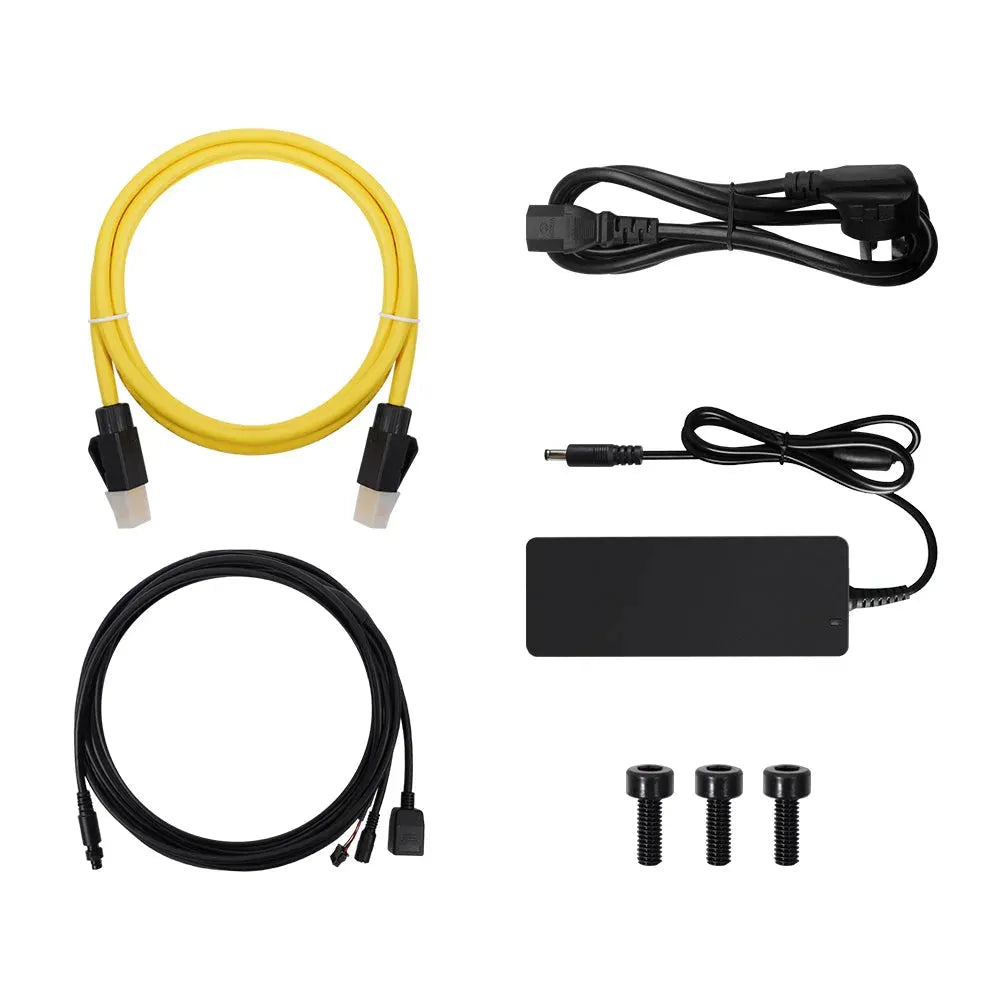
The Standard Kit ships with the PortalCam handheld unit, a removable battery pack, charging dock and power adapter, USB-C data cable, quick start guide, and SDK access with software license. Everything you need to start scanning out of the box.
Standard vs Premium: Which One Fits Your Workflow?
XGRIDS offers two PortalCam variants. The Standard Kit hits the sweet spot for most users, but the Premium adds meaningful upgrades if your use case demands them.
| Feature | Standard Kit | Premium Kit |
|---|---|---|
| RGB Camera | 4K resolution | 8K resolution |
| Battery Life | ~2 hours | ~4 hours |
| Storage | 512GB SSD | 2TB SSD |
| Processing | Standard AI accelerator | Pro-grade AI accelerator |
| Calibration | Factory calibrated | Individual unit calibration |
| Support | Standard warranty | Priority support + training |
Choose the Standard Kit if you're a solo developer, indie studio, or small team working on VR environments, architectural visualization, or content creation. The 4K textures and 2-hour battery cover most workflows. The processing power handles residential and medium-sized commercial spaces without issues.
Go Premium if you're running commercial VFX or AAA game production where 8K textures matter. The extended battery becomes essential for all-day location shoots. Individual calibration certificates matter for professional clients who need documentation. The 2TB storage and faster processing shave time off large projects.
The Standard isn't stripped down—it's the same core technology. You're trading some headroom and convenience features for a lower entry point.
Real Applications: What You Can Actually Build
Virtual Reality and Gaming

PortalCam was built for photorealistic VR environments. Capture real locations—offices, retail spaces, historic sites—and import directly into Unity or Unreal. The 3DGS output renders at 90+ FPS on modern VR headsets without the polygon-count limits of traditional photogrammetry meshes. In my testing, walking through a PortalCam-scanned office in VR feels fundamentally different from mesh-based reconstructions. The lighting is right. The reflections behave correctly.
Architectural Visualization

Real estate developers use PortalCam for virtual property tours that feel like actual visits. Unlike 360° photos, 3DGS allows six degrees of freedom—you walk around, look behind furniture, explore naturally. For architects, rapid as-built documentation saves hours of manual measurement.
Film and VFX
Location scouting and set extension workflows benefit from rapid capture. One operator can document a complete environment in minutes instead of sending a full photogrammetry team with DSLR rigs. The output integrates with Houdini, Blender, and Nuke via standard formats.
Digital Twins
Industrial applications include factory floor documentation, equipment maintenance records with spatial context, safety training environments, and remote facility inspections. The compact form factor fits into tight industrial spaces.
Cultural Heritage
Museums and archaeological teams capture fragile artifacts without contact. The non-invasive scanning works well for field documentation where traditional methods would be too slow or risky.
The Technical Reality: What Works and What Doesn't
The PortalCam delivers on its core promise, but you should know the limitations. Battery life tops out around two hours of continuous scanning. For most indoor spaces that's plenty, but all-day location work requires spare batteries or the Premium Kit.
Outdoor scanning works but has caveats. The LiDAR functions in direct sunlight with slight performance degradation. Avoid heavy rain—the IP rating isn't fully waterproof. Overcast conditions give the best results outdoors.
File sizes get large. A typical 100 square meter room scan generates 50-100MB in .splat format, 200-500MB as a point cloud. Mesh exports vary by resolution. Plan your storage accordingly.
Editing 3DGS output requires specialized tools like Supersplat or PlayCanvas. For traditional mesh editing in Blender or Maya, export to OBJ or FBX—but you'll lose some radiance field quality in the conversion. That's the trade-off for compatibility.
The learning curve is moderate. Basic scanning is intuitive. You'll get usable results immediately. Mastering scan patterns, handling reflective surfaces, and optimizing exports takes a few sessions. The included documentation helps, but expect some trial and error with challenging materials like glass or mirrors.
Export Options and Workflow
The PortalCam exports to multiple formats depending on your target platform. The native .splat format gives the best quality with smallest file size for 3DGS viewers. PLY point clouds preserve the Gaussian parameters for research or custom pipelines. OBJ and FBX conversions work with traditional 3D software. NeRF format output maintains compatibility with existing neural radiance field workflows.
The included SDK provides programmatic access to raw sensor streams, the real-time reconstruction pipeline, custom export formats, and cloud processing API integration. Researchers can build custom applications beyond the stock software.
Cloud processing is available for higher-quality global optimization, multi-scan merging, automated mesh generation, and collaborative project sharing. Local processing requires Windows 10/11 or macOS 12+, an NVIDIA GPU with 8GB+ VRAM (RTX 3060 or better recommended), and 16GB system RAM.
Frequently Asked Questions
How does PortalCam compare to iPhone LiDAR?
Different categories entirely. iPhone LiDAR is consumer-grade with limited range and accuracy. PortalCam uses professional sensors with 20-meter range, higher point density, and dedicated processing. The output quality gap is substantial.
What's the dimensional accuracy?
Approximately 1-2 centimeters in optimal conditions. For survey-grade precision, traditional total stations remain superior. PortalCam excels at visualization and spatial documentation rather than metrology.
Can multiple units work together?
Yes. The software supports multi-scan registration and cloud-based merging for large environments captured in sections.
Is there a subscription fee?
Base software and SDK are included with purchase. Cloud processing and advanced features may require subscription tiers—check current details on the XGRIDS website.
Can I edit the 3DGS output directly?
The .splat format works with specialized tools. For traditional mesh editing, convert to OBJ or FBX with the quality trade-off noted above.
Final Verdict
The XGRIDS PortalCam Standard Kit represents genuine democratization of professional 3D scanning. It's not an impulse purchase, but it's a fraction of the cost of traditional photogrammetry rigs or professional LiDAR systems. The 3DGS output quality rivals methods that take hours of post-processing.
I'd recommend this for engineers, developers, and creators working in VR/AR, VFX, real estate, or digital twin applications. You get cutting-edge 3DGS technology in a handheld package that works as advertised. The real-time feedback changes how you approach spatial capture—no more hoping you got the shot.
If you've been waiting for practical 3D scanning without traditional photogrammetry headaches, this delivers. The Standard Kit gives you the core technology that matters. Start here, upgrade to Premium later if your workflow demands it.
Product Page: View on OpenELAB
Last updated: March 2026