openelab.de
 openelab.com


























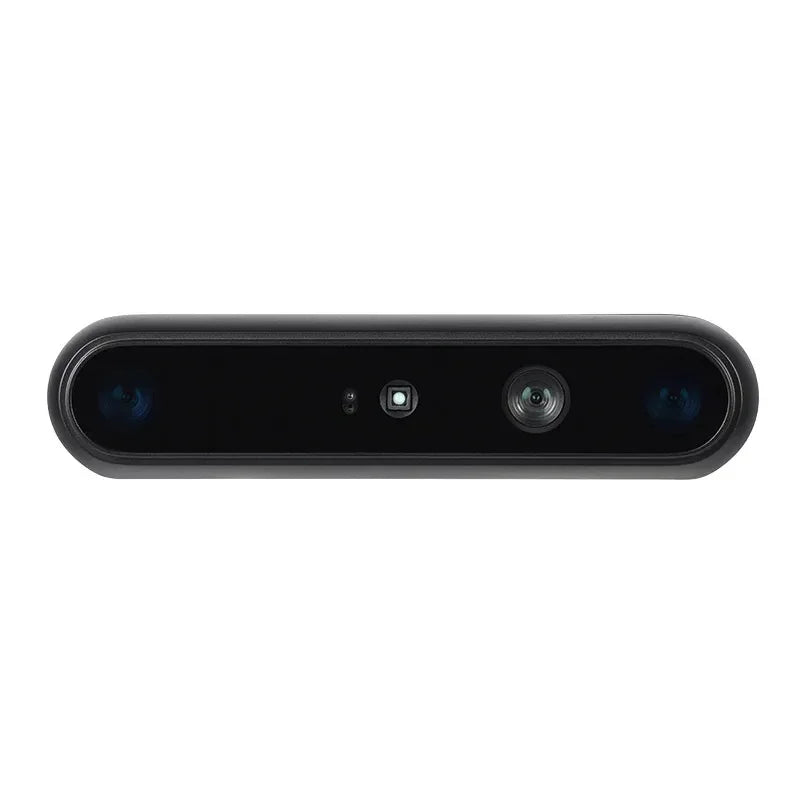



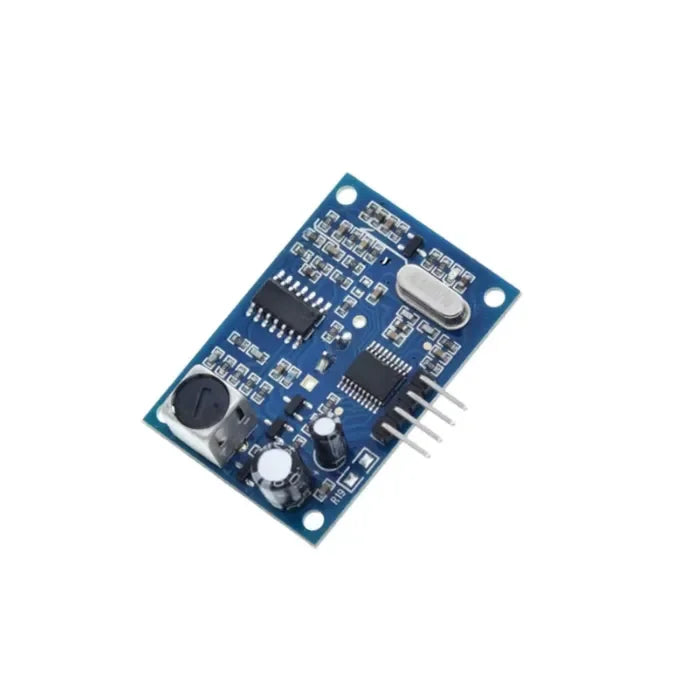


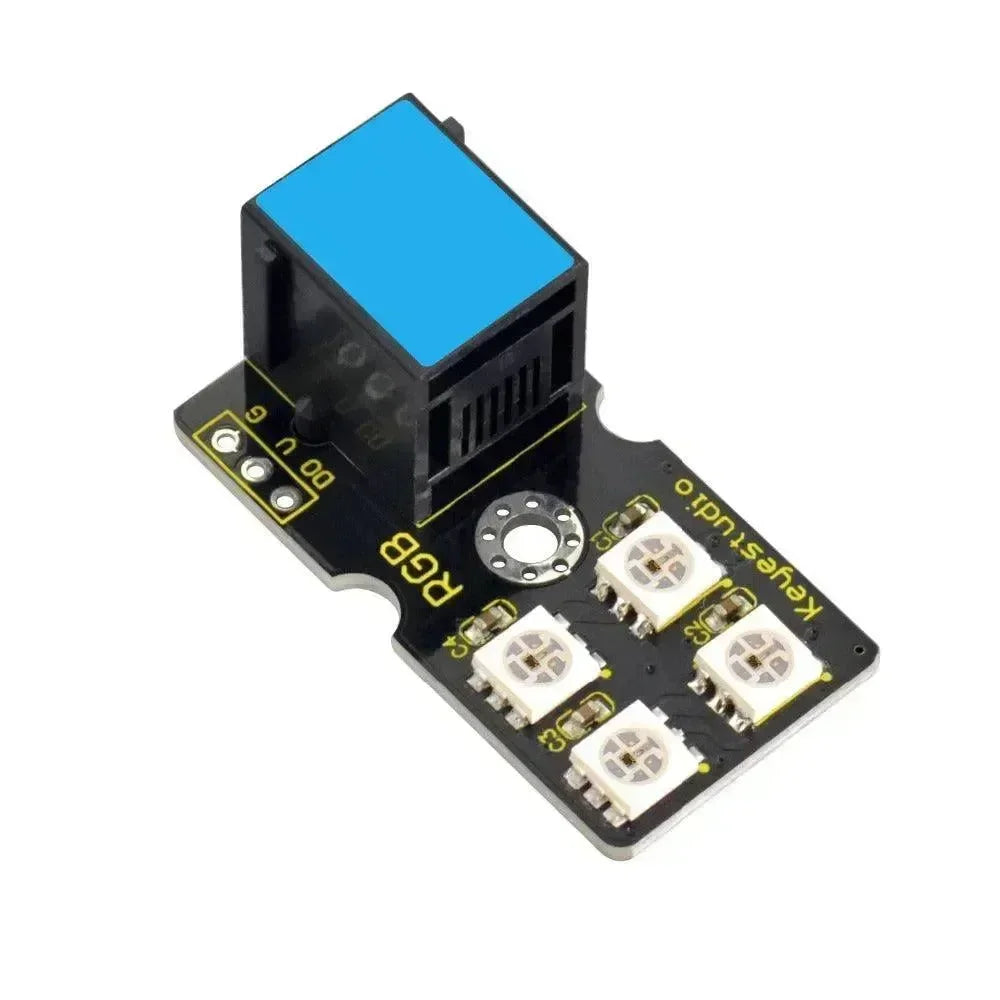







Na Světové robotické konferenci 2025 (WRC) nebyla pozornost věnována pouze výkonným robotům předvádějícím své schopnosti v boxu, tanci a servírování. Významným bodem byla shoda na transformačním potenciálu lidarové technologie v robotice. Konference odhalila, že 87 % autonomních mobilních robotů je nyní vybaveno alespoň jedním lidarovým senzorem, což naznačuje posun od vnímání lidaru jako doplňku k jeho etablování jako nezbytné součásti autonomních systémů.
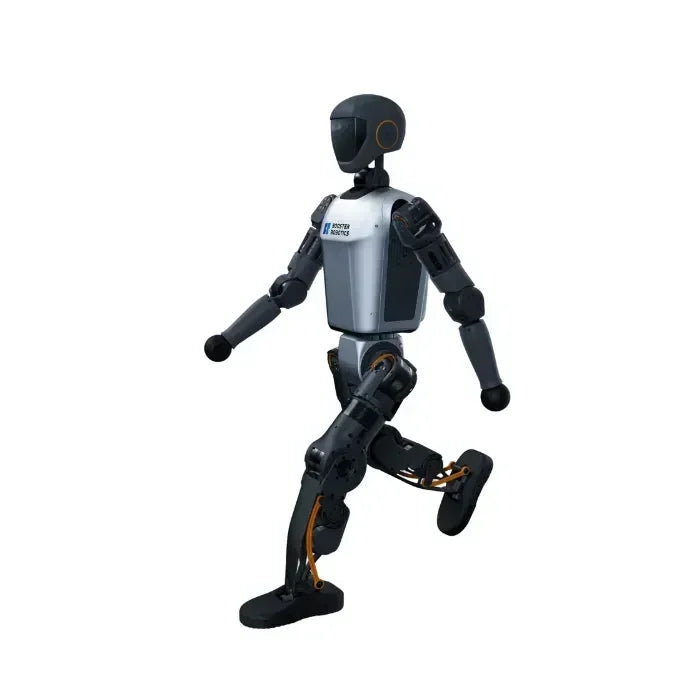
Mezi působivými ukázkami předvedl humanoidní robot Qinglong své schopnosti přesným prováděním úkolů podobných „železářskému dělníkovi“, zatímco na stánku CASBOT byl vystaven plnohodnotný dvounohý humanoidní robot CASBOT 02, který zaujal návštěvníky svou schopností efektivně komunikovat s diváky. Na stánku DOBOT předvedl nový DOBOT Atom složité operace, podpořené využitím inovativních senzorů.


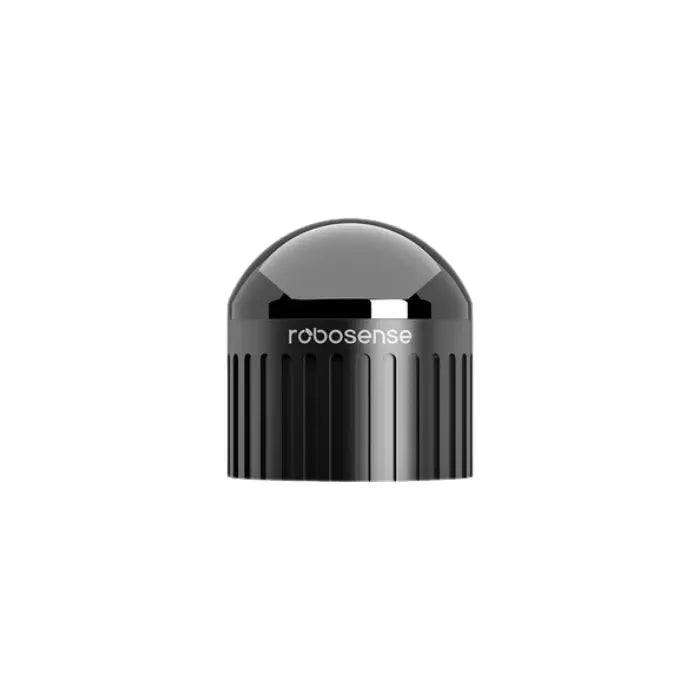
Když různí výrobci, včetně Ti5Robot, Hubei Humanoid Robot Innovation Center, Unitree Robotics, Pudu Technology, Yuanluo Technology a Changxing Power, představili řadu robotů vybavených lidary, jeden produkt vynikl nad ostatními: RoboSense E1R.

RoboSense E1R: Přehled a klíčové vlastnosti
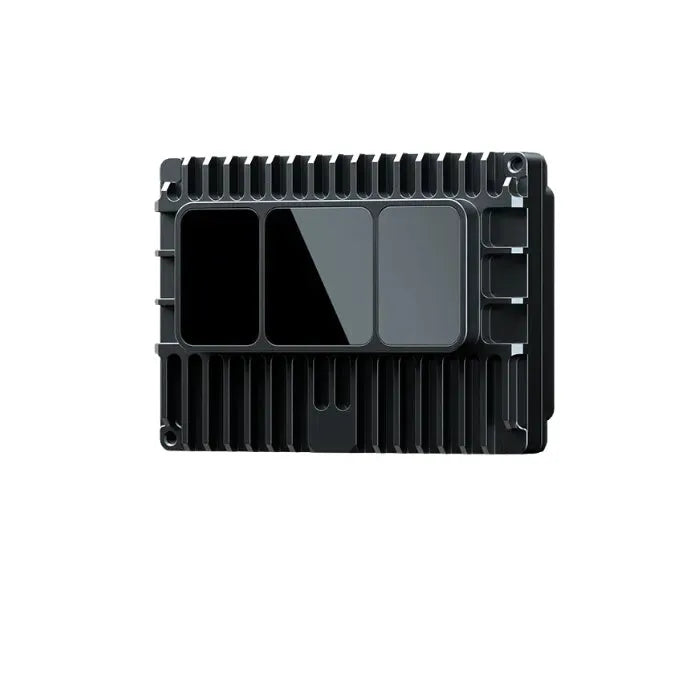
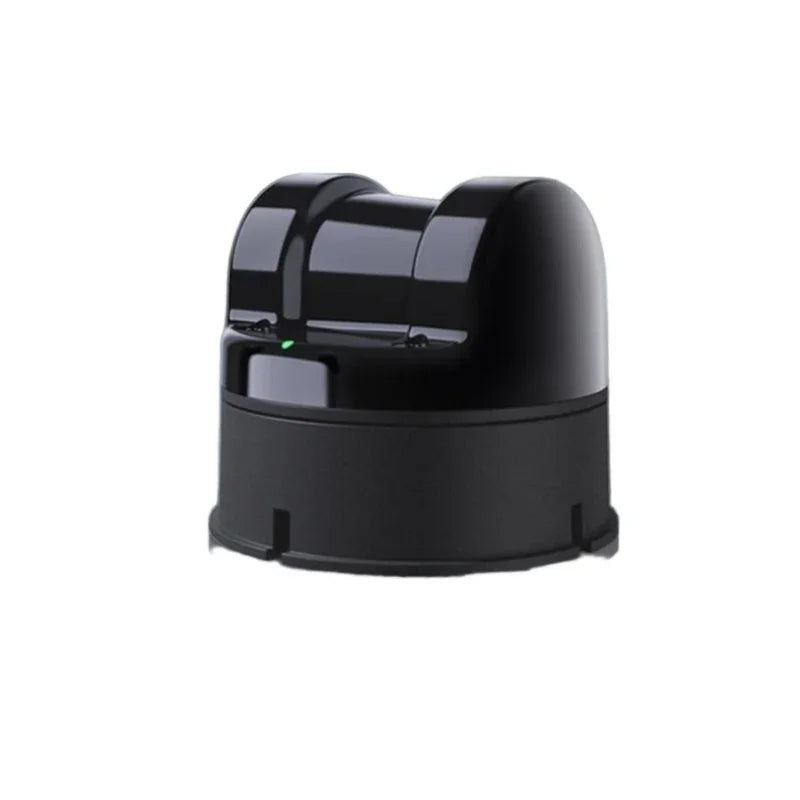
RoboSense E1R je uznáván jako první celosolidní digitální lidar na světě speciálně navržený pro robotické aplikace. Tento pokročilý lidar představuje průlom v technologii vnímání, kombinující robustní design s vysokým výkonem, aby vyhověl různorodým potřebám moderní robotiky.

Klíčové vlastnosti:
-
Celosolidní konstrukce: E1R je postaven na architektuře bez pohyblivých částí, což zvyšuje jeho spolehlivost a snižuje potřebu údržby.
-
Vysoké rozlišení a citlivost: S 144 řádky výstupu produkuje E1R vysoce kvalitní data nezbytná pro přesnou navigaci a detekci objektů i v složitých prostředích.
-
Široké zorné pole: Zařízení nabízí 120°×90° zorné pole, které zajišťuje maximální pokrytí pro detekci překážek a prostorové povědomí, což je zásadní pro autonomní navigaci.
-
Robustní výkon: Díky proprietární technologii SPAD-SoC od RoboSense nabízí E1R vynikající přesnost dat a schopnost odolávat rušení, což je klíčové v prostředích s vysokým odrazem povrchů.
-
Spolehlivost automobilové kvality: Navrženo tak, aby splňovalo přísné automobilové normy, E1R poskytuje konzistentní výkon v různých provozních podmínkách, což jej činí vhodným pro různé aplikace.

Technické specifikace:
-
Zorné pole: 120° (horizontálně) × 90° (vertikálně)
-
Rozlišení: 144 řádků
-
Detekční dosah: Až 100 metrů (v závislosti na podmínkách prostředí)
-
Provozní teplota: -20°C až +65°C
-
Hmotnost: Přibližně 1 kg
-
Spotřeba energie: Nízké energetické nároky optimalizované pro mobilní platformy
-
Konektivita: Ethernetové rozhraní pro bezproblémovou integraci a přenos dat

Scénáře použití E1R
-
Autonomní vozidla: E1R je perfektně vhodný pro aplikace samořiditelných vozidel, umožňující mapování prostředí v reálném čase a bezpečnou navigaci složitými městskými oblastmi.

-
Logistika a skladování: V automatizovaných distribučních centrech zvyšuje E1R schopnosti robotických vysokozdvižných vozíků a doručovacích systémů tím, že umožňuje přesný pohyb a správu zásob.
-
Zemědělská robotika: Jeho schopnost pohybovat se v různorodém terénu činí E1R ideálním pro zemědělské roboty zapojené do sázení, sklizně a monitorování plodin.
-
Průmyslová automatizace: E1R lze využít ve výrobních závodech pro kontrolu kvality a automatizaci montážních linek, což výrazně zlepšuje provozní efektivitu.
-
Chytrá města a infrastruktura: Nasazení E1R v kontextech chytrých měst může zvýšit veřejnou bezpečnost, řízení dopravy a monitorování životního prostředí díky lepšímu sběru dat.
-
Servisní robotika: E1R umožňuje servisním robotům v sektorech jako zdravotnictví a pohostinství pohybovat se v složitých prostředích a zároveň poskytovat nezbytnou podporu.

Závěr: Budoucnost lidaru v robotice
Zaměření RoboSense na špičkové technologie, jak ukazuje E1R, odráží širší trend v robotickém průmyslu směrem k integraci sofistikovaných digitálních řešení. Tento přechod od tradičních systémů k pokročilým digitálním architekturám je klíčový pro umožnění robotům efektivněji vnímat své okolí.
2025 WRC znamená evoluci v oblasti robotiky a ukazuje důležitost lidarové technologie při zlepšování provozních schopností v různých aplikacích. E1R je příkladem tohoto posunu a dokladem toho, čeho může pokročilý lidar v robotice dosáhnout.
Díky svému inovativnímu designu a výjimečným výkonovým schopnostem je RoboSense E1R připraven redefinovat standardy v robotickém vnímání a posunout průmysl směrem k budoucnosti, kde je spolehlivé a přesné vnímání prostředí normou.
Reference
https://tech.swiss-1.ch/meshtastic-vs-meshcore-comparison-use-case/
Prohlášení: Tento obsah je sdílen s přátelskými úmysly. Pokud jsou porušena nějaká práva, prosím, okamžitě nás informujte a my jej ihned odstraníme.