openelab.de
 openelab.com












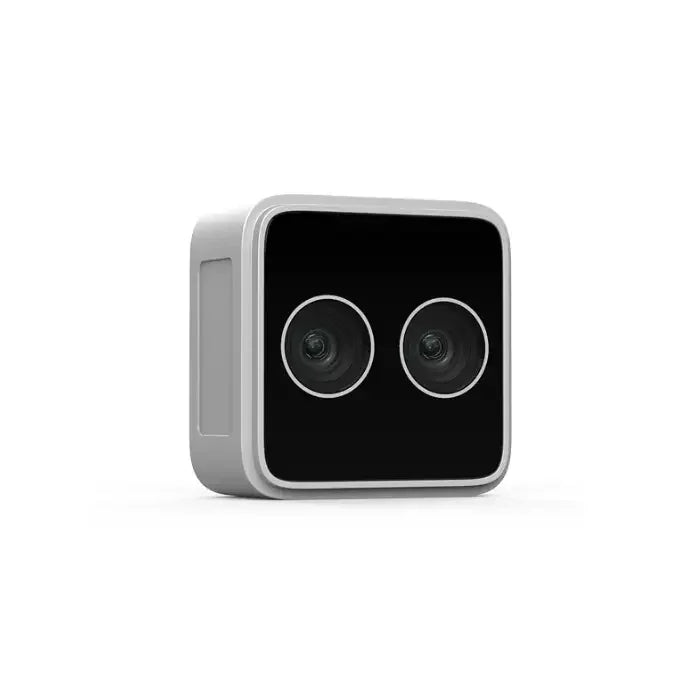


























Difference Between ORBBEC Femto Bolt and ORBBEC Femto Mega
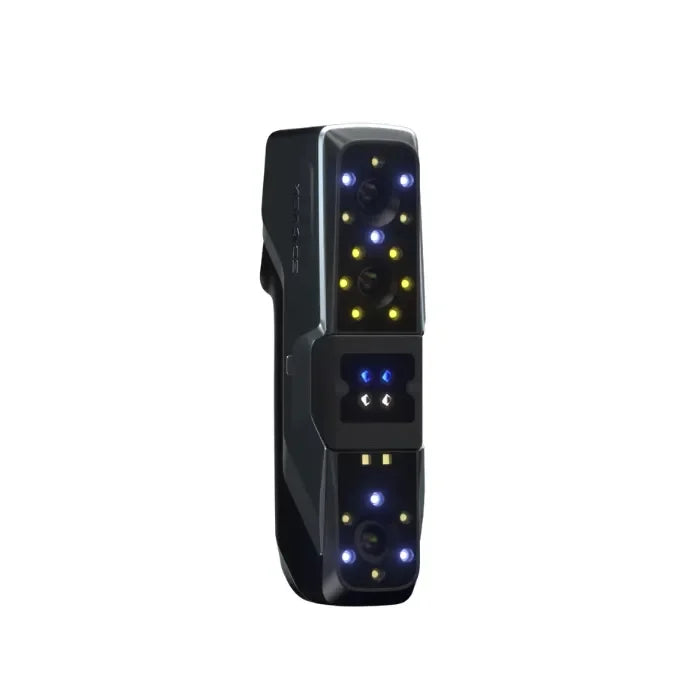
ORBBEC Femto Bolt and ORBBEC Femto Mega are both high-performance ToF depth cameras with Azure Kinect-style depth behavior, 4K RGB, HDR, IMU, and Orbbec SDK support. The real difference is if you want compact USB depth camera or a more networked, programmable vision platform.
Executive summary: Femto Bolt is more better choice for developers who want a compact USB-C Azure Kinect alternative. Femto Mega is the better choice for robotics, manufacturing, logistics, and edge AI systems that benefit from Ethernet/USB streaming and NVIDIA Jetson-based onboard processing.
Product Positioning
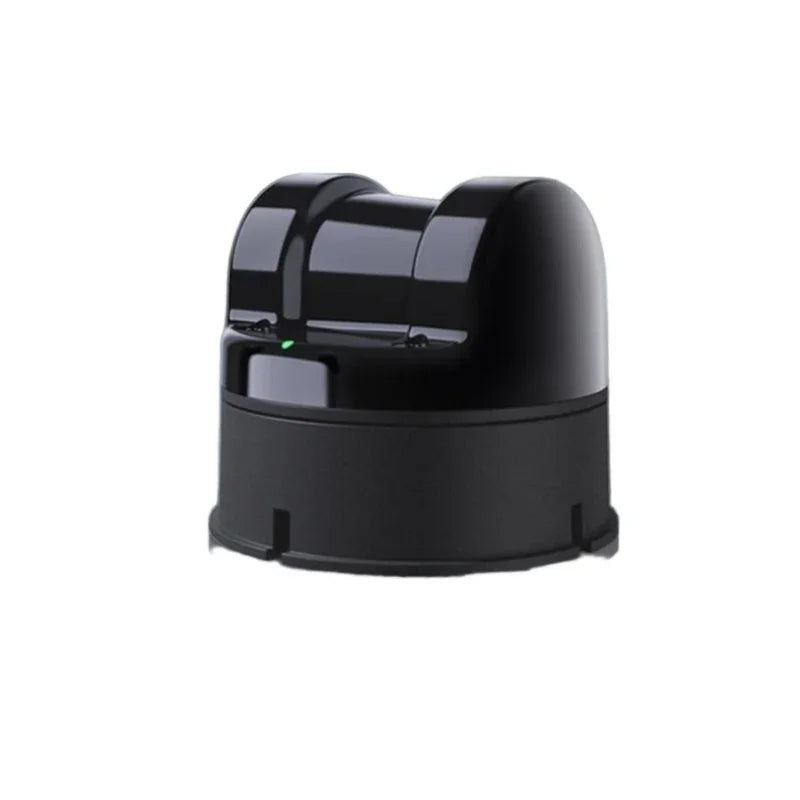
Femto Bolt focus on compactness, USB-C simplicity, and developer accessibility. Femto Mega is positioned as a larger and more deployment-ready ToF platform, co-developed around Microsoft ToF technology and NVIDIA edge computing. The decision is less about basic depth modes and more about system architecture.
Choose Femto Bolt
- You want a compact USB-C ToF camera for development.
- You are replacing or migrating from Azure Kinect-style workflows.
- Your host computer handles processing.
- You want lower cost and a smaller device footprint.
Choose Femto Mega
- You need Ethernet or USB streaming in a more installed system.
- You want a programmable platform with NVIDIA Jetson-based edge capability.
- Your project is robotics, logistics, manufacturing, or healthtech deployment.
- You need a stronger networked-camera architecture.
Key Differences at a Glance
| Category | Femto Bolt | Femto Mega | Why It Matters |
|---|---|---|---|
| Camera type | Compact iToF USB camera | Programmable iToF camera platform | The Mega is more system-like; Bolt is more device-like. |
| Connectivity | USB-C for power and data | Ethernet or USB streaming | Mega fits networked deployment better. |
| Processing architecture | Host-side processing | NVIDIA Jetson platform direction | Mega can be stronger for edge AI systems. |
| Depth behavior | Azure Kinect / Femto Mega-style modes | Azure Kinect / Femto Bolt-style ToF modes | Core ToF capability is closely related. |
| Best use | Development, lab, AI prototyping, desktop vision | Robotics, factory, logistics, networked perception | Choose based on deployment topology. |
Engineering Details Behind the Difference
Femto Bolt is attractive because it keeps the ToF camera compact and simple. It uses USB-C for power and data, making it easier to add to a workstation, robot prototype, or AI vision development setup.
Femto Mega is more suitable when camera becomes part of deployed system. Ethernet streaming, programmable behavior, and NVIDIA Jetson-based architecture make it more appropriate for industrial and robotics workflows where the camera is not just a peripheral.
If the search query is "Femto Bolt vs Femto Mega", the most clean answer is: choose Bolt for a compact USB Azure Kinect alternative, and choose Mega for networked or edge-compute deployment.
Specification Snapshot
| Specification | Femto Bolt | Femto Mega |
|---|---|---|
| Depth technology | 1MP iToF depth camera class | 1MP iToF depth camera class |
| Depth modes | Up to 1024 x 1024 @ 15 fps or 640 x 576 @ 30 fps class | Similar ToF mode family |
| RGB | 4K RGB with HDR | 4K RGB with HDR |
| IMU | 6DoF IMU | 6DoF IMU |
| Connection | USB-C 3.2 for power and data | Ethernet or USB |
| Processing | Host computer workflow | Programmable / NVIDIA Jetson platform direction |
| Best fit | Developer, research, AI prototype | Robotics, manufacturing, logistics, healthtech |
OpenELAB selection note: choose Femto Bolt when you need compact USB ToF development. Choose Femto Mega when the project needs a networked, programmable, deployment-grade ToF platform.
FAQ
Is Femto Mega better than Femto Bolt?
It is better for networked and edge deployments, but Femto Bolt is often better for compact USB development.
Can Femto Bolt replace Azure Kinect?
It is designed as an Azure Kinect alternative with similar depth modes and Orbbec SDK support.
Which is better for robotics deployment?
Femto Mega is usually stronger for installed robotics systems because of Ethernet/USB streaming and edge-compute direction.
Which is better for a developer workstation?
Femto Bolt is usually simpler and more cost-effective for workstation-based development.