openelab.de
 openelab.com





















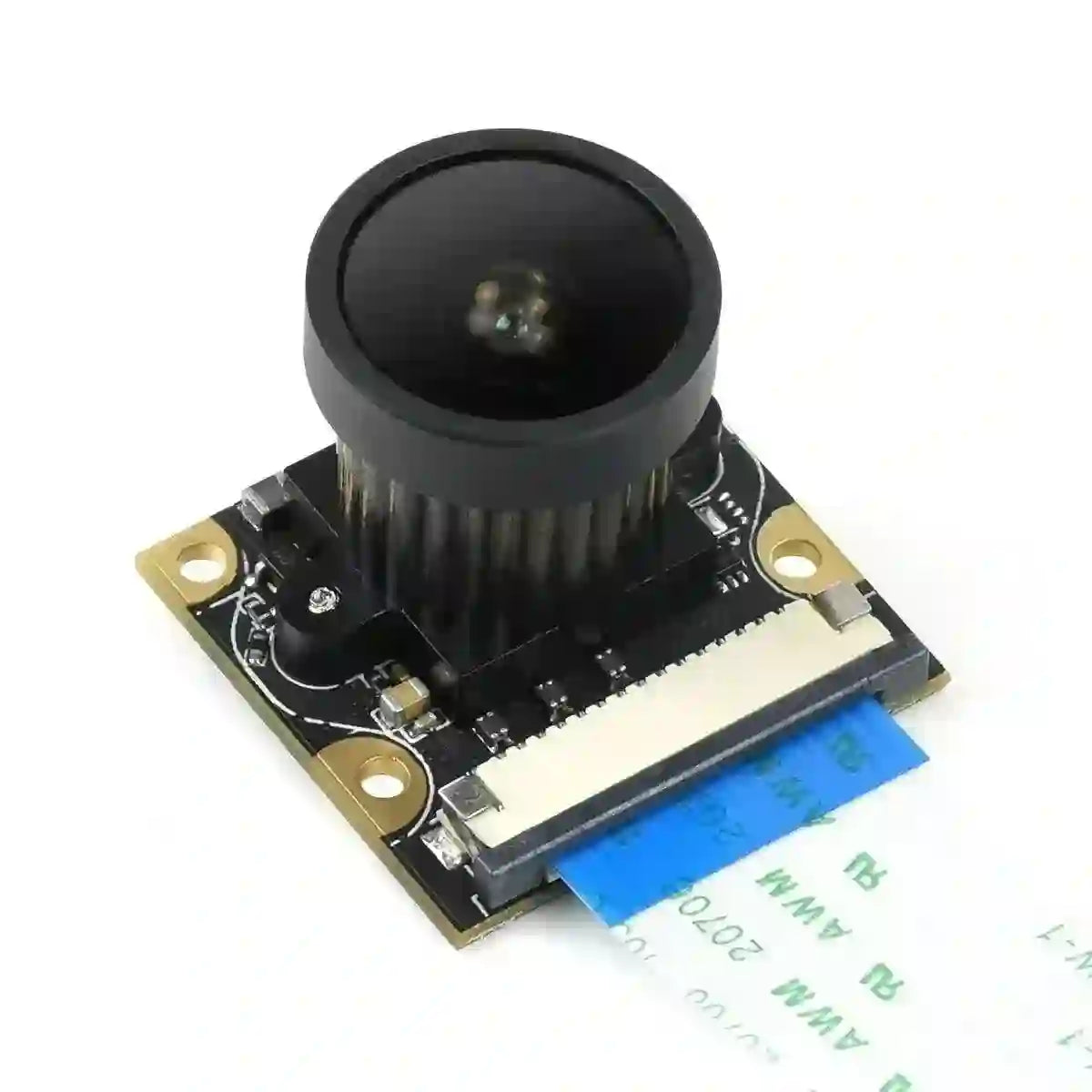


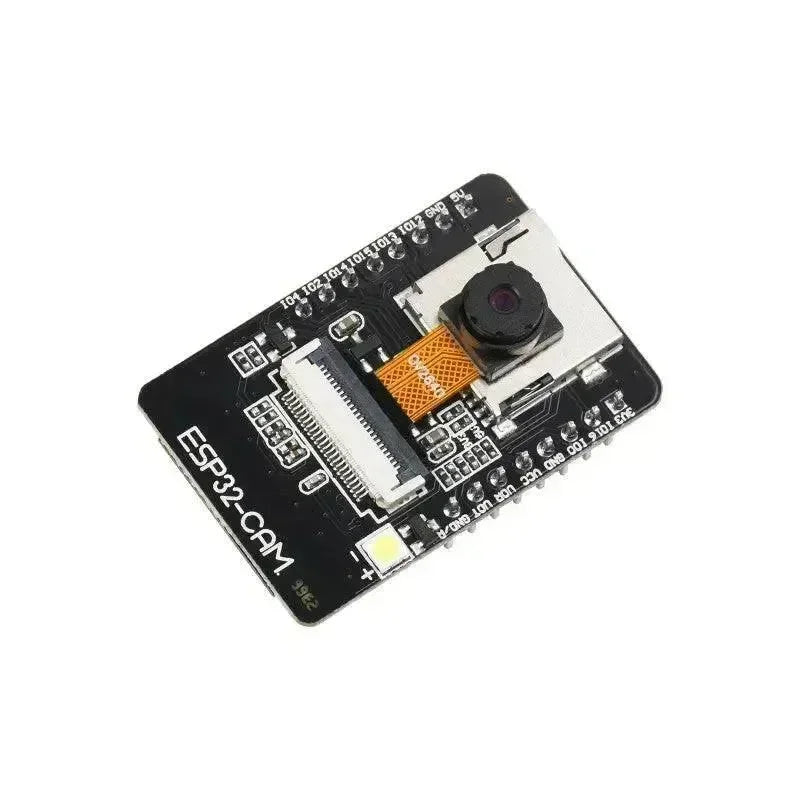
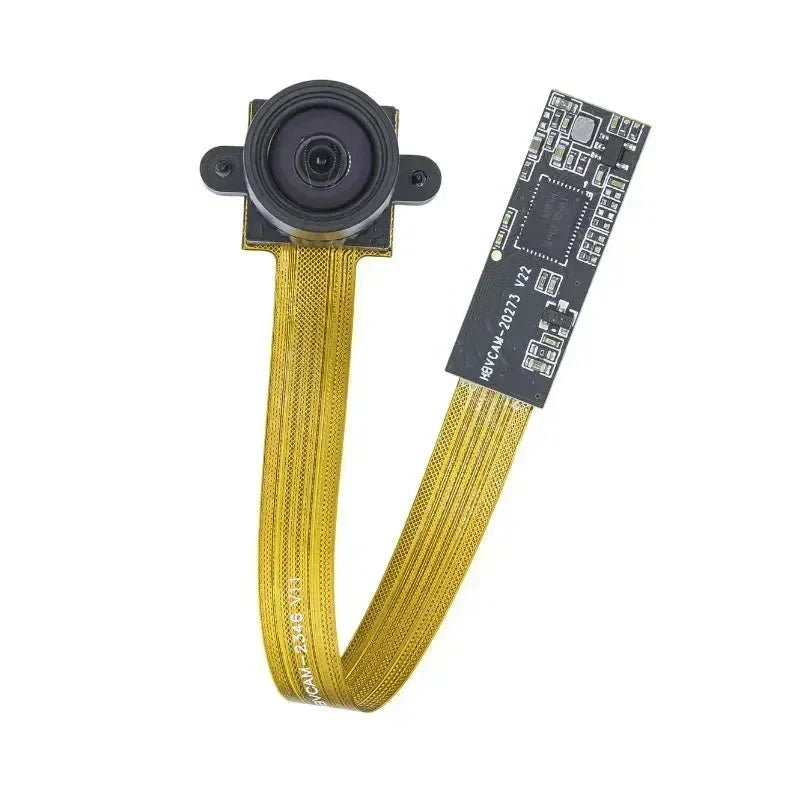














Představte si, že hledáte klíč na přeplněném stole. Místo toho, abyste se soustředili na jedno místo, rychle přejíždíte pohledem, pohybujete se a měníte úhel pohledu. Tento pohyb představuje aktivní vidění, které je nezbytné pro dosažení koordinace ruky a oka u robotů.

Povaha aktivního vidění
Příroda zdokonalovala účinné zrakové systémy po stovky milionů let. Od rychlého přejíždění složených očí hmyzu až po ostré zaostření jestřába, každý organismus dynamicky upravuje své vnímání, aby získal cenné informace s minimální spotřebou energie.
Přesto mnoho moderních robotů trpí omezeným vnímáním, spoléhají na pevné senzory a pasivní modely, které komplikují integraci a efektivitu.
Roboti se musí vyvinout z pouhého „vidění“ na „pozorování“. Tento přechod zahrnuje aktivní průzkum prostředí, zaměření se na důležité detaily a překonání omezení. Právě tato schopnost otevírá cestu k další generaci robotů.
Nutnost porozumění
Jak roboti pronikají do oblastí jako doručování, výroba a domácí automatizace, zůstává zásadní překážka: účinné vnímání v složitých, proměnlivých prostředích.
Tradiční řešení často spoléhají na pasivní kamery, což způsobuje problémy s překážkami a omezenými úhly pohledu. Roboti potřebují schopnost aktivně ovládat své smyslové orgány pomocí technologií, aby optimalizovali získávání informací. To připomíná, jak lidé otáčejí hlavou a očima pro jasnější vidění.
Dynamickým nastavením parametrů senzorů nebo využitím pohyblivosti mohou roboti zvýšit efektivitu svého vnímání. Integrace vícemodálních dat a algoritmů umělé inteligence jim umožňuje „myslet aktivně“.

Pokrok v aktivním vidění
Přes pokroky ve výzkumu aktivního vidění byla praktická realizace ztížena složitostí integrace senzorů a vývoje softwaru.
Robotický průmysl nyní přechází od pouhého přidávání více hardwaru k využívání inteligentní fúze senzorů – využívající technologie jako LiDAR a kamery, doplněné o algoritmy umělé inteligence v reálném čase.
Jedna zajímavá studie s názvem Active Vision Might Be All You Need: Exploring Active Vision in Bimanual Robotic Manipulation, zdůrazňuje výhody dynamického přizpůsobení úhlu pohledu pro lepší provádění úkolů.
Výzkumníci představili dvouruční robotický systém nazvaný AV-ALOHA. Je vybaven robotickou paží se 7 stupni volnosti a kamerou s aktivním viděním, která umožňuje intuitivní ovládání úhlu pohledu kamery v reálném čase. Přidání dalších robotických paží však není konečným řešením pro aktivnější vnímání.
Představení RoboSense AC1
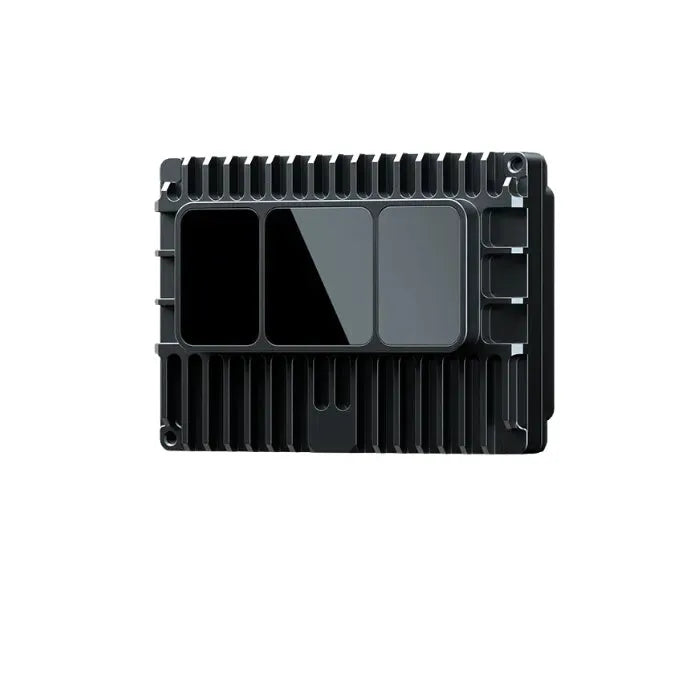
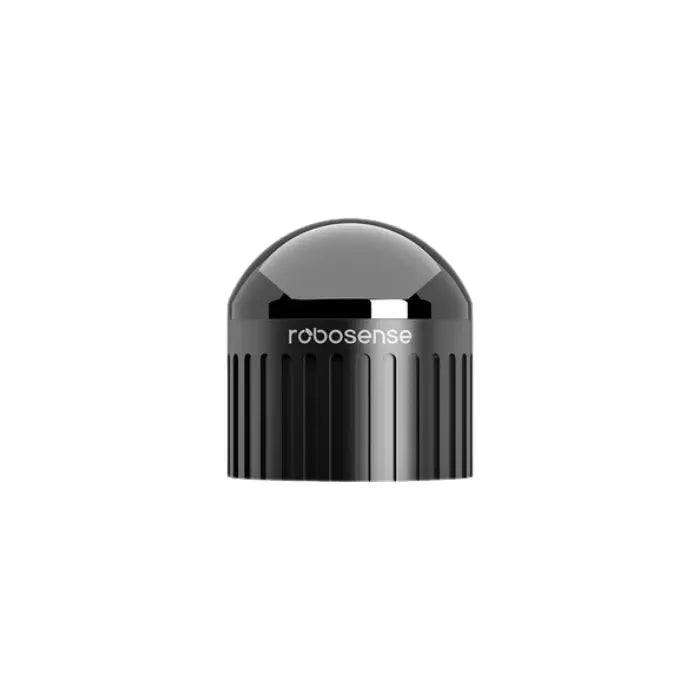
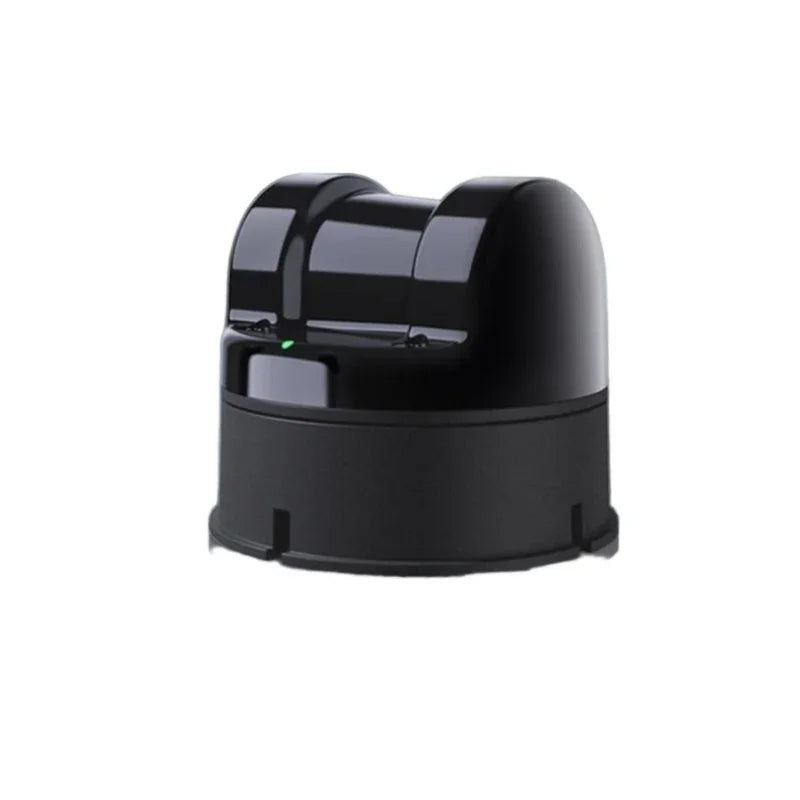
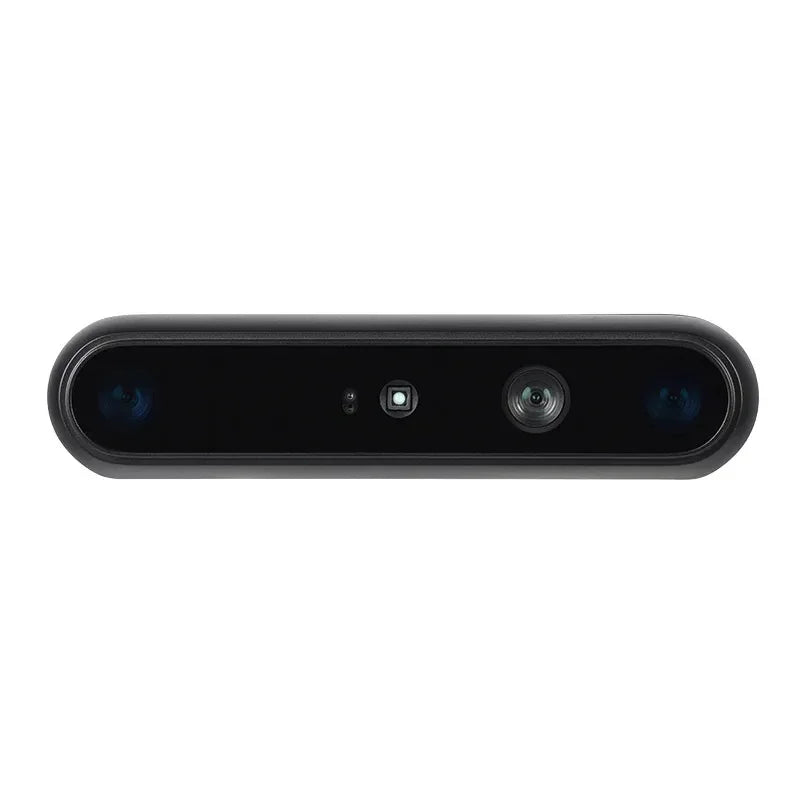
Nejnovější produkt společnosti RoboSense, Aktivní kamera AC1, přináší revoluci v hardwaru robotického vidění. Na rozdíl od tradičních sestav, které přidávají senzory, má AC1 integrovaný design, který spojuje data o hloubce, barvě a pohybu, čímž efektivně překonává běžné technické překážky konvenčních kamer.
Technická převaha AC1
- Velmi široké zorné pole: 120° × 60°, poskytující rozsáhlé pokrytí.
- Maximální dosah: 70 metrů, s přesností 3 cm @1σ.
- Provoz na sluneční světlo: Funguje bez problémů za jasných podmínek, vhodná pro venkovní i vnitřní navigaci.
Odbornost RoboSense v technologii LiDAR podporuje tuto schopnost a umožňuje vynikající integraci hardwaru napříč senzorovými technologiemi.


Zjednodušení vývoje
Vývojáři často zápasí se složitostmi kalibrace více senzorů. AC1 tento tlak zmírňuje tím, že poskytuje sloučené vícemodální datové toky, což urychluje vývojový cyklus a snižuje náklady.
Ekosystém připravený na umělou inteligenci, který doprovází AC1, zahrnuje komplexní sadu nástrojů, AC Studio, která nabízí otevřené SDK a základní algoritmy. Tento systém umožňuje vývojářům soustředit se na inovativní aplikace místo na základní softwarovou architekturu.


Proměna vnímání robotů
Současné hlavní technologie v robotickém vidění (tradiční kamery, binokulární vidění, strukturované světlo a iToF řešení) vykazují významná omezení – zejména závislost na okolním světle, nepřesnosti v měření vzdálenosti a komplikace vyplývající z nadměrného nasazení senzorů.
Překonáním těchto výzev stanovuje AC1 nový standard pro aktivní vidění. Umožňuje vývojářům minimalizovat ladění, optimalizovat funkčnost robotů a přejít od teoretických problémů k praktickým řešením.

Budoucí vyhlídky
RoboSense má rozsáhlý dosah – přes 2 800 klientů v robotice a partnerství s významnými hráči – což ji staví do pozice, aby předefinovala oblast vnímání robotů. Kombinace AC1 + AI-Ready představuje přesvědčivou alternativu k zavedeným konkurentům jako Intel RealSense.
Jak RoboSense pokračuje ve zdokonalování svých produktů, ekosystém připravený na umělou inteligenci nabízí obrovský potenciál pro škálovatelné aplikace od autonomní jízdy po průmyslovou robotiku. Jeho zaměření na demokratizaci pokročilého vnímání je klíčem k umožnění inovátorům na všech úrovních vytvářet roboty s vyspělou zrakovou inteligencí.
Závěrem, prostřednictvím inovativního hardwaru a robustního vývojového rámce, RoboSense nepřináší jen produkty, ale vytváří nový vzor, který kombinuje otevřenost, spolupráci a inteligenci v hledání lepšího vnímání robotů. Tato revoluce představuje významný milník na cestě k rozšíření pokročilé robotiky v různých odvětvích.
Reference
Upozornění: Tento obsah je sdílen s přátelskými úmysly. Pokud jsou porušena nějaká práva, prosíme o rychlé upozornění a obsah bude okamžitě odstraněn.