openelab.de
 openelab.com

























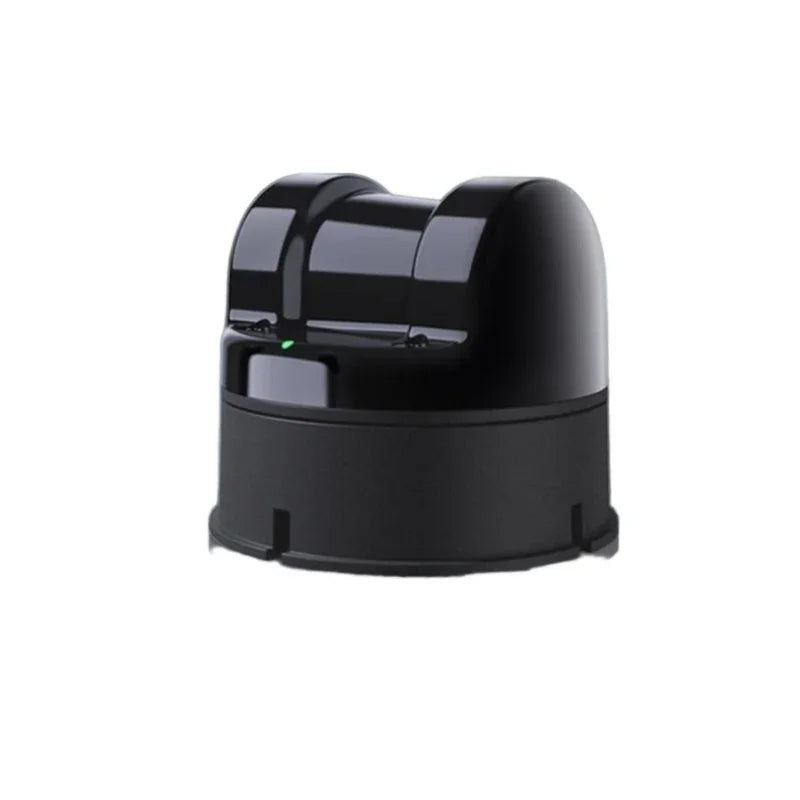

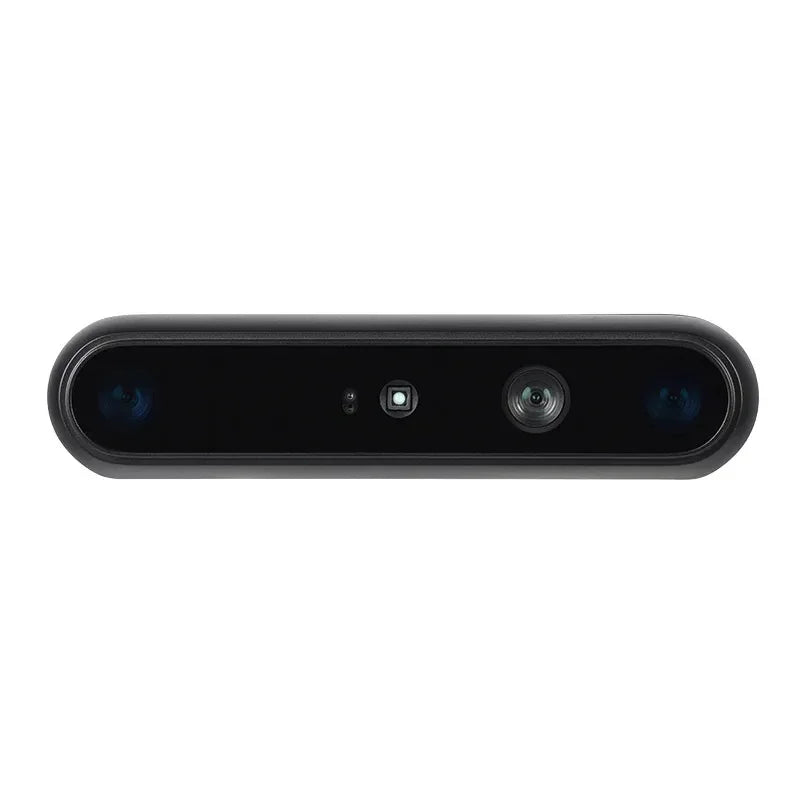











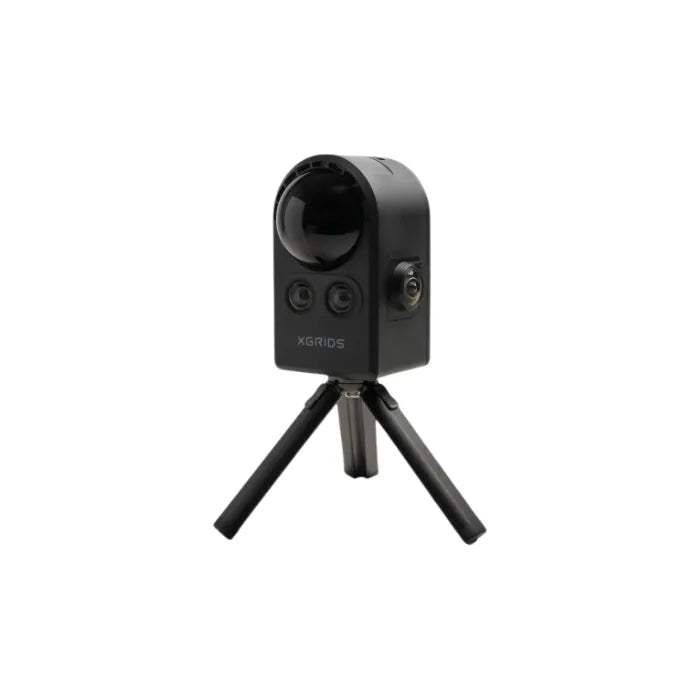
Rzadko zdarza się, aby premiera sprzętu od razu sygnalizowała zmianę na rynku, ale liczby sugerują, że tutaj dzieje się coś innego. Od czasu wydania 3D Gaussian Splatting (3DGS), branża czekała na urządzenie do przechwytywania danych stworzone specjalnie do tego celu. 2 września 2025 roku firma XGRIDS z Shenzhen wprowadziła na rynek zagraniczny PortalCam kamerę przestrzenną, wywołując natychmiastową dyskusję na LinkedIn.
Dzięki wykorzystaniu 3DGS, PortalCam ma na celu upowszechnienie procesu przekształcania fizycznych przestrzeni w edytowalne, fotorealistyczne zasoby 3D.
1. Kamera przestrzenna PortalCam: analiza techniczna
W przeciwieństwie do tradycyjnych zestawów fotogrametrycznych czy wyłącznie przemysłowych skanerów laserowych, PortalCam łączy łatwość obsługi konsumenckiej z profesjonalną gęstością danych.

Podstawowa technologia i parametry
-
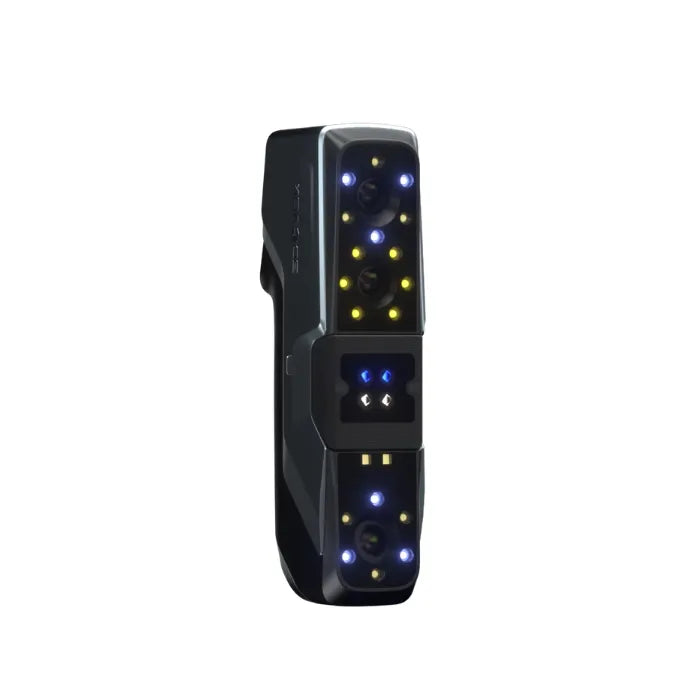
Architektura łączenia czujników: Urządzenie wyposażone jest w zestaw czterech kamer połączonych z LiDAR-em. To rozwiązanie pozwala na jednoczesne przechwytywanie geometrii (za pomocą LiDAR) oraz tekstury/światła (za pomocą kamer).
- LiDAR: zasięg 30 metrów dla precyzyjnego pomiaru głębokości i relacji przestrzennych.
- Optyka: Podwójne obiektywy typu rybie oko zapewniają panoramiczne pokrycie bez martwych punktów, a dwie kamery skierowane do przodu rejestrują szczegóły o wysokiej częstotliwości (napisy, faktury).
- Przetwarzanie na urządzeniu (edge computing): Wykorzystując autorski algorytm Multi-SLAM, urządzenie waży jedynie 870 g, co umożliwia obsługę jedną ręką. Łączy dane z czujników w czasie rzeczywistym, tworząc skalowalne modele przestrzenne bez konieczności podłączania do komputera.
- Czas pracy na baterii: Urządzenie umożliwia 60 minut ciągłego skanowania dzięki wymiennej baterii.

Proces pracy w oprogramowaniu: LCC Studio
Dołączone oprogramowanie LCC Studio zajmuje się ciężką pracą postprodukcji.
- Automatyzacja: Potrafi przetworzyć 100 m² danych skanowania w około 10 minut.
-
Współpraca: Co ważne dla twórców, oprogramowanie łączy surowe dane z silnikami gier. Eksportuje nie tylko własne pliki
.LCCi standardowe.PLY, ale także.USDZdla ekosystemu Apple. - Integracja: Wygenerowane zasoby 3D są kompatybilne z Unity, Unreal Engine i WebXR, umożliwiając natychmiastowe wykorzystanie w VR/AR lub wirtualnej produkcji.
Główne zastosowania
- Budownictwo i nieruchomości: Szybkie tworzenie cyfrowych bliźniaków. Nieruchomość o powierzchni 280 m² można zeskanować w około 15 minut, co pozwala na natychmiastowe pomiary i wirtualne aranżacje.
- Produkcja wirtualna (efekty wizualne): Poszukiwanie lokalizacji i wstępna wizualizacja. Ekipa może na miejscu zarejestrować dane oświetlenia i ustawienia sceny, importując je bezpośrednio do środowisk 3D, co skraca czas pracy na planie.
- Tworzenie gier: Szybkie tworzenie zasobów. Przekształcanie rzeczywistych środowisk w gotowe do użycia modele lub splaty.
- Archiwizacja: Wysokiej jakości zachowanie miejsc dziedzictwa lub przestrzeni prywatnych z fotorealistycznym oświetleniem charakterystycznym dla 3DGS.


Cennik i zestawy
Wysyłka na cały świat realizowana jest przez OpenELAB z magazynami w Monachium, Long Beach i Shenzhen. Uwaga: zamówienia z UE są realizowane na warunkach DDP (opłacone cło i podatki), podczas gdy w innych regionach może być wymagana odprawa celna przez klienta.
Reakcja użytkowników: Jak zauważył użytkownik pixelreconstruct w komentarzu do filmu z premiery: "To pierwszy prawdziwy konkurent dla Matterport. Cena jest agresywna. Mam nadzieję, że wkrótce potwierdzę działanie procesu."
2. Analiza branżowa: spojrzenie z LinkedIn
Analizując zaangażowanie na LinkedIn (filtrując posty z ponad 100 polubieniami), rozmowa wśród profesjonalistów wykracza poza pytanie „jak to kupić?” i dotyczy konsekwencji dla branży obliczeń przestrzennych.

Dyskusja o dokładności kontra wizualizacja
Ryan Chris Brown (szef ekosystemu deweloperskiego, Looking Glass) podniósł ważną kwestię inżynieryjną: choć czujnik LiDAR jest wizualnie wyraźny, XGRIDS musi opublikować rygorystyczne dane dotyczące dokładności. Do wizualizacji wystarczy „wystarczająco dobrze”; do pomiarów inżynierowie potrzebują konkretnych tolerancji.
Problem „zamkniętego ogrodu”
David W Jaunay (architekt geoprzestrzenny) oraz Jamie Portolese (specjalista GIS) skupili się na modelu biznesowym. Obecny lider rynku, Matterport, jest krytykowany za zamknięty ekosystem, w którym użytkownicy wynajmują własne dane.
- Szansa: Jeśli PortalCam zaoferuje prawdziwą suwerenność danych (lokalne przetwarzanie, eksport bez opłat), zaburzy obecny model oparty na subskrypcjach.
- Ryzyko: Jeśli XGRIDS zablokuje eksport wysokiej rozdzielczości za subskrypcją Premium, powtórzy błędy dawnych graczy.
Ograniczenia rozdzielczości
Cyril PREISS (dyrektor generalny, Gigascope) przekazał wczesne uwagi z testów. Choć interfejs jest płynny, rozdzielczość drobnych detali (np. tekst na małym obiekcie) była w jego testach problematyczna. Podkreśla to obecny kompromis między szybkością Gaussian Splatting a absolutną klarownością wysokiej klasy fotogrametrii.

Podsumowanie
Z ponad 300 sprzedanymi jednostkami w pierwszych 24 godzinach, XGRIDS skutecznie zdobyło rynek wczesnych użytkowników. Specyfikacje sprzętu — zwłaszcza lekka konstrukcja i zasięg LiDAR 30 m — są atrakcyjne dla inżynierów terenowych.
Jednak długoterminowy sukces PortalCam nie będzie zależał tylko od sprzętu; kluczowy będzie ekosystem oprogramowania. Czy zapewni on spójne, czystsze dane kompatybilne z przepływami pracy Unreal/Unity, nie wiążąc użytkowników z subskrypcją w chmurze?
Na razie, obok dronów i skanerów naziemnych, PortalCam stanowi nową, zwiną kategorię w zestawie narzędzi do przechwytywania przestrzennego.
Źródła: