openelab.de
 openelab.com























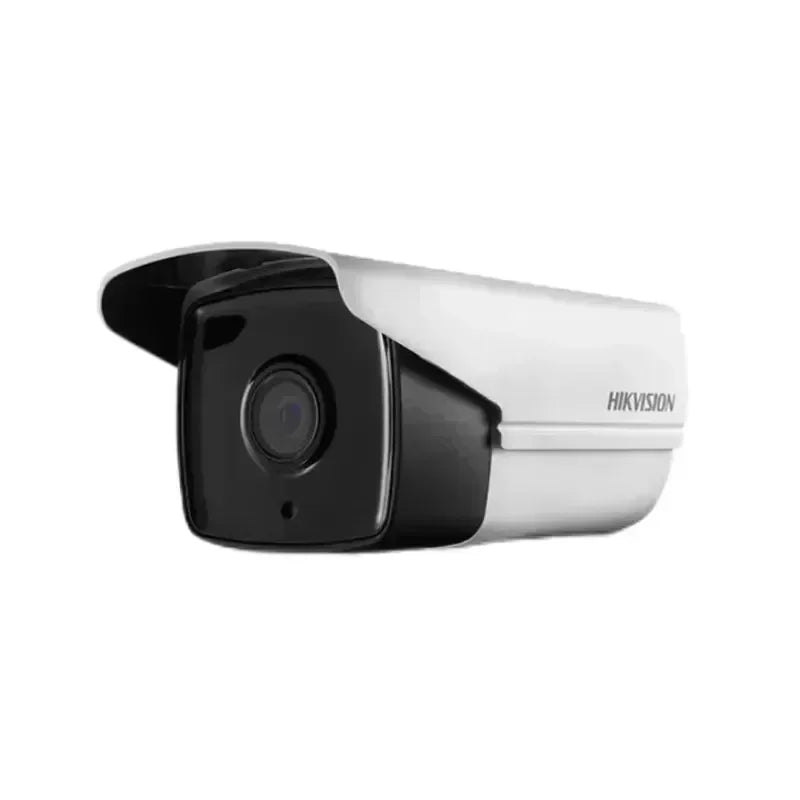


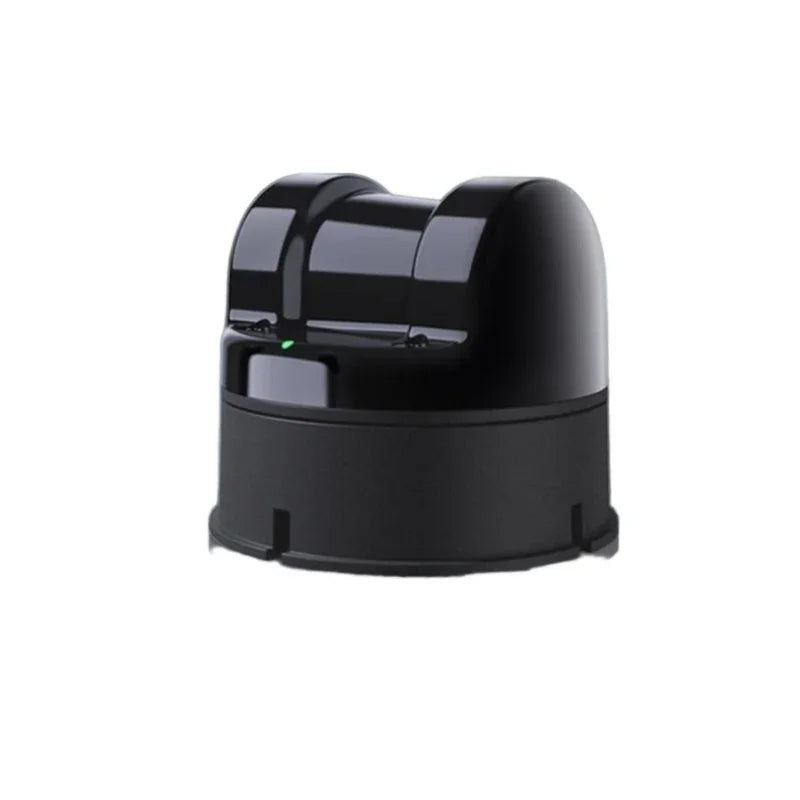


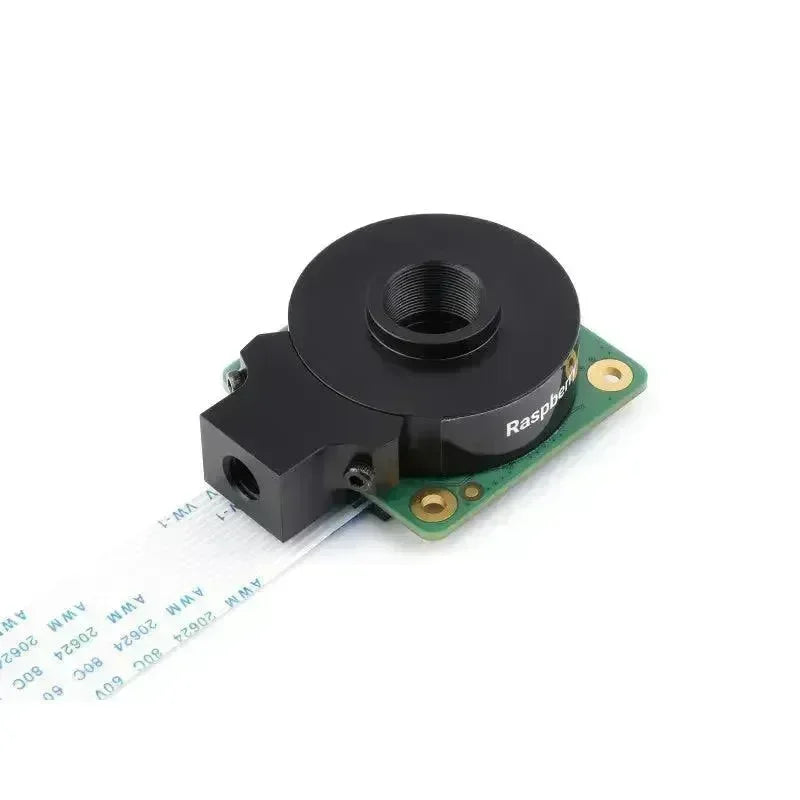











Dynaamisella robotiikan havaintojen alalla perushaasteena on aina ollut koneiden kyky "nähdä maailma selkeästi" ja ymmärtää se ihmismäisellä tai jopa ihmistä paremmalla tarkkuudella. Aivan kuten biologinen näkö vastaa yli 80 % ihmisen ympäristötiedon hankinnasta, robotin havaintokyky määrää suoraan sen sovellusten laajuuden ja monimutkaisuuden.
Kuitenkin vuosikymmenten ajan yleiset syvyyden mittaustekniikat – mukaan lukien yksisilmäinen, kaksisilmäinen, rakenteellinen valo ja iToF – ovat kohdanneet luontaisia pullonkauloja. Nämä ratkaisut perustuvat joko päättelyalgoritmeihin, mikä heikentää luotettavuutta, kärsivät heikosta kestävyydestä altistuessaan ympäristön valolle ja materiaalien ominaisuuksille tai kamppailevat laajennettavuuden kanssa koon ja kustannusten vuoksi.

Tämä pitkään jatkunut ongelma sai RoboSensen kehittämään vallankumouksellisen lähestymistavan, joka perustuu digitaaliseen dToF (suora valon lentoaika) LiDAR-teknologiaan, muuttaen kunnianhimoisen "robotin silmä" -konseptin konkreettiseksi, teollistuneeksi todellisuudeksi.
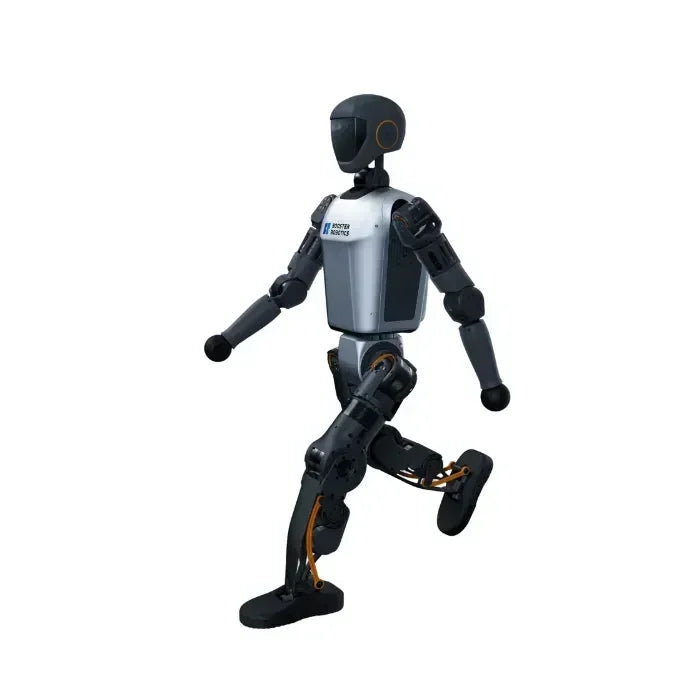
Merkittävä virstanpylväs saavutettiin 2. joulukuuta, kun Z-MOV Robotics esitteli T800-humanoidirobotin, täysikokoisen, erittäin tehokkaan yleiskäyttöisen alustan. Tärkeää on, että T800 on varustettu RoboSensen AC1 (aktiivinen kamera) keskeisellä havaintokomponentilla, osoittaen välitöntä markkinavalmiutta myynnin alkaessa alkaen 180 000 yuanin hinnasta. 1,73 metriä korkea ja 75 kiloa painava T800 sisältää edistyksellisiä ominaisuuksia, kuten 450 N·m huippivääntömomentin nivelmoduulin, taitavat kädet ja kiinteävirtakennon. Sen soveltuvuus kattaa monenlaiset tilanteet, tehtaiden yhteistyöstä hotellipalveluihin, ja se on onnistuneesti suorittanut teknologian suljetun silmukan varmennuksen, ollen nyt valmis massateolliseen käyttöön.

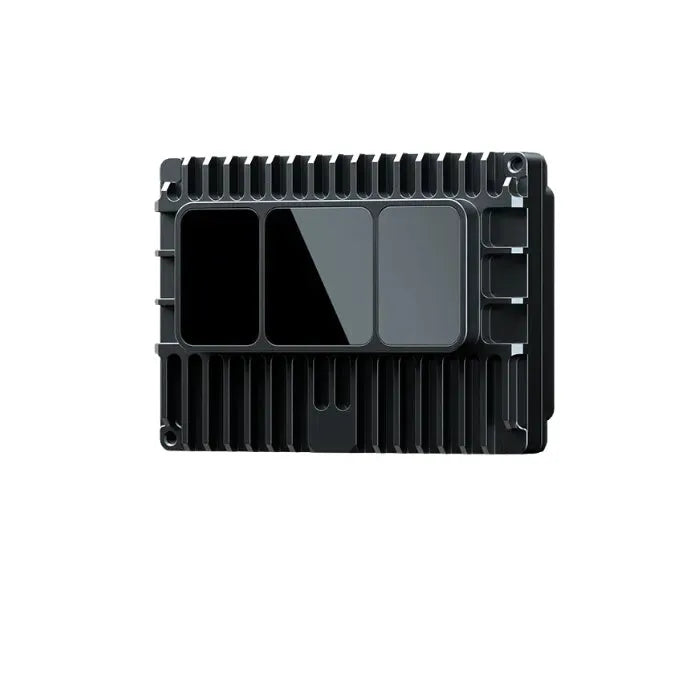
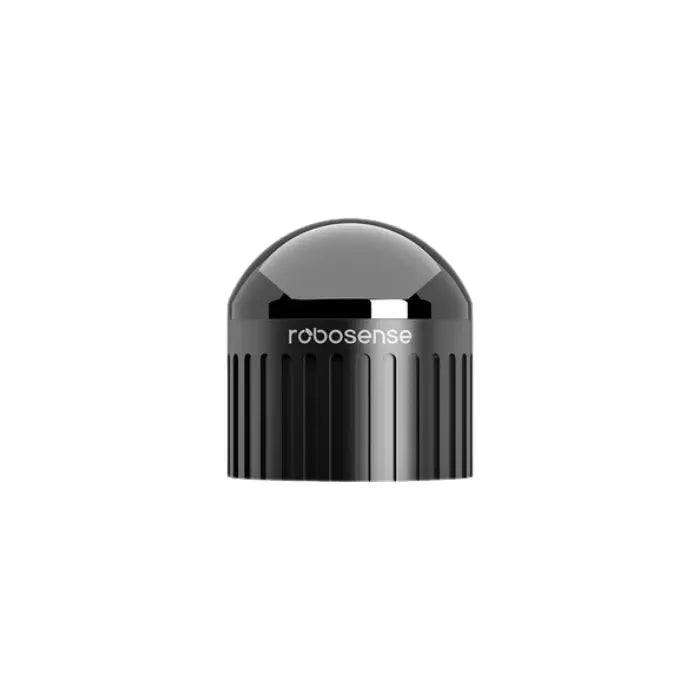
T800:n kaikkisuuntaisen havaintojärjestelmän kulmakivenä RoboSense AC1 yhdistää LiDARin, RGB-kameran ja IMU:n. Tämä innovatiivinen rakenne mahdollistaa laitetason yhdistämisen ja aika-avaruudellisen kohdistamisen syvyys-, kuva- ja liikeasematiedolle. Tämä yhdistetty tietovirta on ratkaisevan tärkeä T800:n millisekuntitason ympäristön mallintamisessa ja tekoälypohjaisessa älykkäässä reitin suunnittelussa, mahdollistaen esteiden tarkan välttämisen ja joustavan liikkumisen monimutkaisissa, dynaamisissa ympäristöissä.

AC1 on jo saanut laajaa tunnustusta ja massahyväksyntää johtavilta yrityksiltä kuten Z-MOV Robotics, vakiinnuttaen asemansa tärkeänä "robotin liikkuvana silmänä" ja keskeisenä voimana humanoidirobottien teollistamisen vauhdittamisessa.
01. Digitaalinen vallankumous: Miksi RoboSensen digitaalinen LiDAR on mullistava
Syvyyden mittauksen tekninen haaste on aina ollut herkkä tasapainottelu tarkkuuden, luotettavuuden ja kustannusten välillä. Jokainen perinteinen ratkaisu jää vajaaksi ainakin yhdessä näistä kriittisistä kohdista:
- Yksisilmäinen/kaksisilmäinen näkö: Arvioi syvyyttä epäsuorasti, riippuvainen voimakkaasti kohtauksen tekstuureista ja altis valaistuksen vaihteluille.
- Rakenteellinen valo: Tarjoaa kohtuullisen tarkkuuden, mutta on voimakkaasti herkkä ympäristön valolle, mikä rajoittaa ulko- ja suurten tilojen soveltuvuutta.
- iToF: Pieni ja kompakti, mutta usein puuttuu kestävyys yleiskäyttöisissä, monimutkaisissa ympäristöissä.
LiDARin luontainen dToF-teknologia, joka mittaa valon lentoaikaa suoraan, tarjoaa luonnollisen edun syvyyden mittauksen luotettavuudessa. Historiallisesti se on kuitenkin ollut rajoittunut alhaiseen tarkkuuteen, suuriin kokoon ja korkeisiin kustannuksiin, mikä on rajoittanut sen käyttöä kapeisiin, huippuluokan autoteollisuuden sovelluksiin.
RoboSensen digitaalinen muutos on perustavanlaatuisesti murtanut tämän pattitilanteen sirupohjaisella uudelleenrakennuksella. Yhtiön oma aluekuva SPAD-SoC-vastaanotinpiiri ja osoitettavissa oleva 2D-skannaava VCSEL-lähetinpiiri integroivat perinteisen LiDARin monimutkaisen optisen järjestelmän pienoissirulle. Tämä innovaatio saavuttaa "kameramaisen", täysin kiinteän muodon.

Tämä digitaalinen rakenne tuo mukanaan kaksi syvällistä vallankumousta:
- Tarkkuuden harppaus: Tarkkuus on kasvanut dramaattisesti vastaamaan 144 linjaa, ylittäen merkittävästi edistyneiden L4-tason itseohjautuvien ajoneuvojen, kuten Baidun Apollo Gon, 128-linjaisen LiDARin. Tämä tarjoaa pistepilven tiheyden, joka riittää vahvaan ja tiheään ympäristön havaitsemiseen.
- Jyrkkä kustannusten ja koon aleneminen: LiDAR-yksiköt, jotka aiemmin maksoivat satoja tuhansia yuaneja, voidaan nyt valmistaa massatuotantona hinnalla, joka vastaa RGBD-kameraa. LiDARin yleistyminen noin 100 000 yuanin hintaisissa kuluttaja-ajoneuvoissa todistaa tämän muutoksen.
Teknologian todellinen arvo vahvistuu lopulta markkinoilla. Vuonna 2025 RoboSense odottaa digitaalisten täysin kiinteiden LiDARien toimitusmäärän ylittävän 200 000 yksikköä. Digitaalisen LiDARin laaja käyttöönotto ajaa teknologista yhtenäistymistä koko RGBD-kamerateollisuudessa. Perinteisen näön ja LiDARin kannattajien välinen historiallinen kiista hiljenee vähitellen, kun dToF-teknologia saavuttaa kokonaisvaltaisen voiton tarkkuudessa, kustannuksissa ja luotettavuudessa.

RoboSensen keskeinen kehitysstrategia keskittyy sirupäivityksiin, tavoitellen yhden tai kahden vuoden tuotekehityssykliä. Tämä muistuttaa kameroiden kehitystä VGA:sta 4K- ja 8K-tasolle, ajaen laadullista harppausta kiinteissä LiDAR-järjestelmissä jatkuvilla suorituskyvyn parannuksilla ja merkittävillä kustannusten alenemisilla.
Tätä strategiaa tukee SPAD-siruteknologia, joka jakaa piiritason yhtäläisyyksiä nykyisen CMOS-teknologian kanssa. Tämä antaa RoboSenselle mahdollisuuden hyödyntää kypsää CMOS-teollisuuden ketjua, raaka-aineita ja prosessijärjestelmiä, varmistaen vahvan perustan laajamittaiselle tuotannolle. Tulevaisuudessa RoboSense jatkaa RGBD-kamerateknologian lähentämistä dToF-ratkaisuihin, kiihdyttäen sirujen kehitystä laajentamalla markkinoita ja tuotantokapasiteettia.
On ennustettu, että seuraavien viiden–kymmenen vuoden aikana digitaalinen täysin kiinteä LiDAR todennäköisesti noudattaa Moore’n lakia, saavuttaen nopeita edistysaskeleita tarkkuudessa ja kustannusten hallinnassa. Tätä näkymää noudattaen RoboSense on sitoutunut täysin digitaaliseen tiekarttaan tänä vuonna ja ennustaa koko LiDAR-teollisuuden vähitellen siirtyvän tähän suuntaan. RoboSense näkee digitaalisen LiDARin keskeisenä kasvun moottorina kannattavuuden saavuttamiseksi ja pitkäaikaisen, vakaan kasvun turvaamiseksi.
RoboSensen toimitusjohtaja Qiu Chunchao korosti, että vaikka kolmannen vuosineljänneksen tulokset heijastivat menneiden tuotesyklien päättymistä, digitaalisten tuotteiden massatuotannon vahva edistäminen ja uusien tilausten kertyminen ovat ratkaisevia yhtiön tulevalle kehitykselle.
02. RoboSense AC1: Edelläkävijä aktiivinen kamera älykkääseen liikkuvaan havaitsemiseen
Keskittäen "robotin silmän" keskeiseen tarjoukseen, RoboSense on luonut uuden tuoteryhmän, Aktiivisen kameran, ja esitellyt uraauurtavan AC1:n ensimmäisenä integroituna havaintoratkaisuna. AC1, suunniteltu "liikkuvaksi silmäksi", ratkaisee taitavasti robotin keskeiset haasteet paikannuksessa, esteiden välttämisessä ja kestävissä ympäristön kartoittamisessa. Innovatiivisen laitteistointegraationsa ja kattavan ekosysteemin voimaannuttamana AC1 tarjoaa teollisuudelle tehokkaan ratkaisun, yhdistäen edistyneen teknologian käytännön toteutukseen.
Maartissa 2025 lanseerattu RoboSense AC1 merkitsi paradigman muutosta. Se saavutti ensimmäistä kertaa laitetason aika-avaruudellisen synkronisen yhdistämisen kolmelle keskeiselle anturille: LiDAR, RGB-kamera ja IMU. Tämä innovaatio siirsi robotin havainnon pelkästä laitteiden pinonnasta uuteen vaiheeseen, jossa yksi laite kattaa kaikki tilanteet.

AC1:n keskeiset tekniset tiedot ja edut:
- Tasapainoinen kantama ja tarkkuus: AC1 tarjoaa vakaan etäisyystarkkuuden 3 cm (1σ), mikä on ratkaisevaa luotettavalle reitin suunnittelulle ja ympäristön kartoittamiselle, pitäen tarkkuuden tasaisena eri etäisyyksillä.
- Laaja näkökenttä (FoV): Sen yhdistetty havaintokenttä on 120° × 60°, mikä on 70 % parempi kuin perinteisillä 3D-kameroilla. Tämä laaja näkökenttä vähentää tarvetta usein vaihtaa katselukulmaa, parantaen robotin tehokkuutta.
- Erittäin pitkä kantama: Tarjoaa 70 metrin maksimihavaitsemiskantaman, joka ylittää perinteiset 3D-kamerat selvästi. Jopa matalan heijastavuuden kohteille (10 % heijastavuus) se saavuttaa tarkan havaitsemisen 20 metrin etäisyydellä, palauttaen tarkasti sekä lähellä että kaukana olevien kohteiden muodon ja koon.

- Ympäristön sopeutumiskyky: AC1 kestää hyvin voimakasta valohäiriötä (jopa 100 kLux) ja voi toimia jatkuvasti sisä- ja ulkotiloissa. Tämä murtaa monien perinteisten anturien "sisäkäyttöön sopiva, ulkokäytössä rajoitettu" -rajoituksen.
- Kompakti ja kestävä rakenne: Suunniteltu kevyeksi, täysin kiinteäksi moduuliksi, AC1 on huomattavasti pienempi kuin perinteiset monianturijärjestelmät, mikä helpottaa sen integrointia erilaisiin robottialustoihin. Se on myös teollisuusluokan suorituskykyinen, kestäen vaativat käyttöolosuhteet.
- Kustannustehokas ratkaisu: Integroimalla useat anturit yhdeksi laitteistoyhdistetyksi yksiköksi AC1 tarjoaa taloudellisemman ratkaisun verrattuna erillisten LiDAR- ja kamerajärjestelmien kokoamiseen, edistäen laajempaa kaupallista käyttöönottoa.

AI-Valmis ekosysteemi: Kehittäjien tukena nopeassa käyttöönotossa
Kehityksen esteiden madaltamiseksi ja innovaation nopeuttamiseksi AC1 on täysin tuettu AI-Valmis ekosysteemillä. Tämä kattava kokonaisuus tarjoaa:
- AC Studio: Yhden pysähdyksen työkalupaketti, joka sisältää koko ketjun avoin lähdekoodi -SDK:n, mukaan lukien ajurit, tiedonkeruutyökalut, edistyneet datan kalibrointi- ja yhdistämistoiminnot sekä ristiinkääntöympäristöt. Tämä mahdollistaa kehittäjille siirtymisen kuukausien "pyörän uudelleen keksimisestä" nopeaan "palikoilla rakentamiseen", lyhentäen merkittävästi käyttöönottoaikoja.
- Avoimen lähdekoodin algoritmit: Mukana oleva algoritmikirjasto kattaa huipputeknologiat kuten SLAM (samanaikainen paikannus ja kartoitus), semanttisen segmentoinnin ja 3D-gaussisen levityksen, ja on yhteensopiva yleisten tekoälylaskenta-alustojen kanssa. Tämä antaa kehittäjille mahdollisuuden ohittaa perustason algoritmien kehitys ja keskittyä suoraan tilannekohtaisiin ja toiminnallisiin jatkokehityksiin.
- WIKI & aineistot: Kattava WIKI-dokumentaatio toimii kehittäjien keskuksena Aktiiviselle Kameralle. Lisäksi valikoidut monen tilanteen aineistot (julkaistaan vähitellen) tarjoavat arvokasta koulutusmateriaalia tekoälymalleille, helpottaen kehitystyötä entisestään.

Tämä integroitu "laitteisto + ohjelmisto + data" -ratkaisu mahdollistaa AC1:n laajan soveltamisen eri tilanteissa, mukaan lukien humanoidirobotit, lennokit, itseohjautuvat ajoneuvot, teollisuus- ja kotipalvelurobotit. Sen kyvyt ulottuvat myös digitaalisen kaksosen ympäristön rakentamiseen, 3D-skannaukseen ja mallinnukseen, ympäristön valvontaan sekä varastojen seurantaan.
Yhteenveto: RoboSense AC1 – Tienraivaaja aidosti älykkäille roboteille
Yhteenvetona RoboSense AC1 Aktiivinen Kamera edustaa perustavanlaatuista läpimurtoa perinteisten 3D-kameroiden rajoituksia vastaan. Erinomaisten suorituskykyjensä ansiosta se vastaa tehokkaasti älykkäiden robottien vaativiin havaintotarpeisiin turvallisessa esteiden välttämisessä, tarkassa kartoituksessa ja kestävissä liikkuvissa yhteyksissä sekä sisä- että ulkotiloissa. Tämä parantaa merkittävästi toimintatehokkuutta ja turvallisuutta sekä antaa voimaa uudelle autonomisten koneiden sukupolvelle.
RoboSense ei pelkästään toimita komponentteja, vaan määrittelee havaintostandardin älykkään robotiikan alalle innovatiivisen digitaalisen LiDAR-teknologiansa ja tehokkaan AC1 Aktiivisen Kameran avulla. Tarjoamalla integroidun, laitetason yhdistetyn ratkaisun, jota täydentää vahva AI-Valmis ekosysteemi, RoboSense madaltaa merkittävästi robottikehittäjien tutkimus- ja kehityskynnyksiä. Kustannustehokkuus ja helppokäyttöisyys demokratisoivat pääsyn edistyneeseen havaitsemiseen, mahdollistaen yrityksille kaikenkokoisille nopean kehityksen huipputason robottituotteisiin.

AC1 merkitsee käännekohtaa robottinäössä – siirtymistä "passiivisesta kuvantamisesta" aidosti "aktiiviseen, älykkääseen havaitsemiseen." Se tarjoaa vahvan ratkaisun perinteisten moninäköantureiden pinon rajoituksiin ja integrointivaikeuksiin. Tämä ilmentää uutta teknologista filosofiaa: laitteiston ja algoritmien syvää yhdistämistä, joka antaa robotin havainnon aidosti ylittää ihmisen aistien rajat, vieden meidät kohti laajalle levinnyttä tilallista älykkyyttä tulevaisuudessa.
Kansainvälisille insinööreille ja kehittäjille AC1, AI-Valmis ekosysteeminsä tukemana, muuttaa kehityksen perustyökalujen kanssa kamppailusta sujuvaksi prosessiksi, joka edistää aitoa innovaatiota. Robotiikkateollisuudelle tämä merkitsee tehokkuusvallankumousta ja ennen kaikkea älykkäiden robottien seuraavan kehitysvaiheen selkeää alkua. Aktiivisen Kameran tuoteperheen laajentuessa, AC1:n johdolla, RoboSense tulee jatkuvasti ohjaamaan robottihavaintoteknologian kehitystä, raivaten tietä maailmaan, jossa robotit, varustettuina näköjärjestelmillä, jotka "ylittävät ihmisen silmän", tekevät fyysisen maailman digitalisoinnista ja älyllistämisestä kaikkialla läsnä olevan todellisuuden.
Lähteet
- https://www.robosense.ai/en/rslidar/AC1
- https://mp.weixin.qq.com/s/sV_BWw5S4twSHM0PhTyxWg?scene=1
Vastuuvapauslauseke: Tämä sisältö jaetaan ystävällisin aikein. Jos oikeuksia loukataan, ilmoitathan siitä meille viipymättä, niin poistamme sisällön välittömästi.