openelab.de
 openelab.com


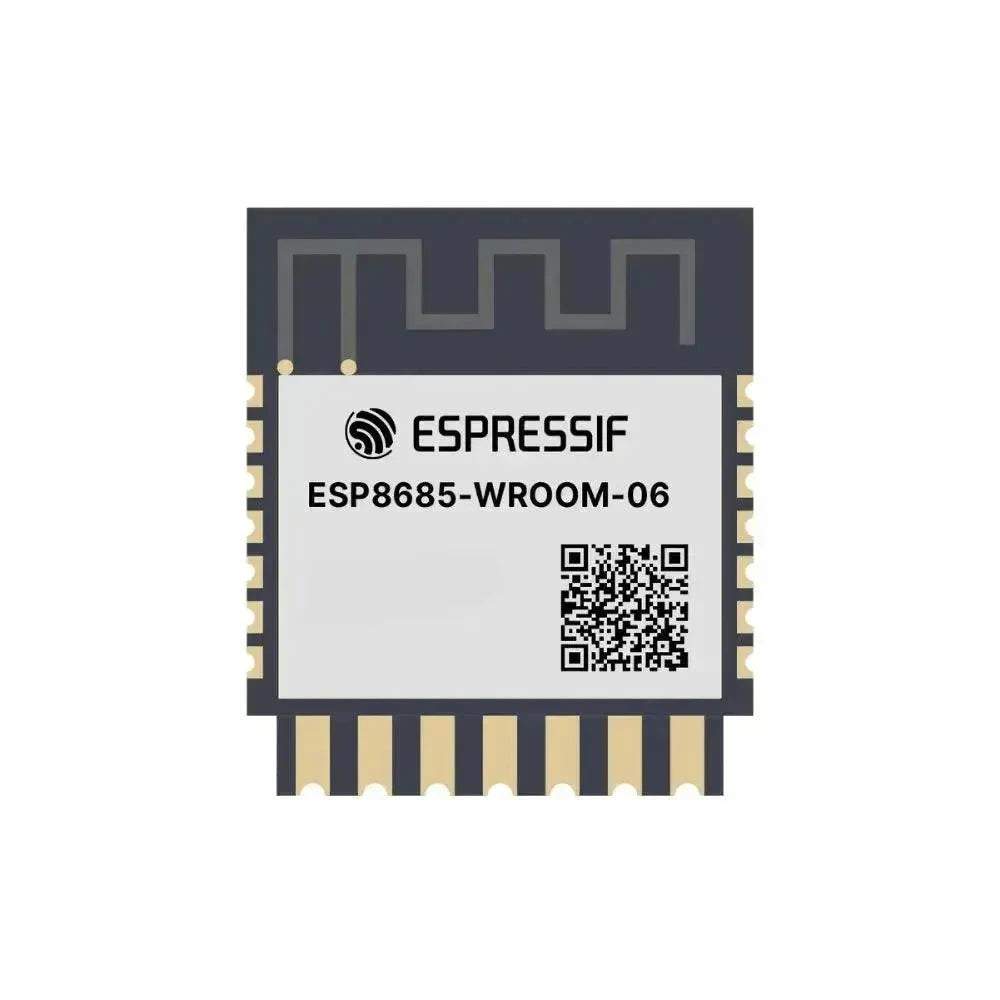




































RK3576 är en av de där chipen som inte gör rubriker — men som fortsätter dyka upp i produktionsdesigner. Det är inte Rockchips flaggskepp (det är RK3588), och inte heller deras budgetlinje. Det sitter i mitten och gör det oansenliga jobbet med att köra visionspipelines, HMI-paneler och edge-gateways i miljöer där elkostnader och BOM-kostnader verkligen spelar roll.
Waveshare Luckfox Core3576 — utvecklingskortet kallas Omni3576 — är där den SoC blir något du faktiskt kan bygga med. Jag gick igenom hårdvaruspecifikationen mot officiella Luckfox wiki och produktdokumentation. Här är vad du behöver veta.

Vad du faktiskt får
Core3576 är ett tvådelat system. Core3576 SoM är en 69,6 × 45 mm beräkningsmodul — RK3576 SoC, LPDDR4X RAM (4 eller 8 GB), valfri eMMC (0, 32 eller 64 GB) — allt på en 260-stifts SO-DIMM-kontakt, samma mekaniska standard som laptop-RAM. Mekaniskt robust, guldfingrar som klarar upprepade isättningscykler, och en formfaktor som passar anpassade bärarekortdesigner snyggt.
Det Omni3576 bärarekortet bryter ut allt: dubbla GbE, Wi-Fi 6, Bluetooth 5.2, HDMI 2.1, två MIPI CSI-kameraportar, M.2 NVMe, USB 3.2, CAN FD, en 40-stifts HAT-header och mer. Du kan också få hela paketet i ett Omni3576 Box Kit — kortet inuti ett passivt hölje av aluminiumlegering, utan fläkt, designat för 24/7 drift.

RK3576 specifikationer (verifierade mot officiella källor)
Alla specifikationer nedan är kontrollerade mot Luckfox officiella wiki och produktsida.
| Komponent | Specifikation |
|---|---|
| CPU | 4× Cortex-A72 @ 2.3 GHz + 4× Cortex-A53 @ 2.2 GHz (big.LITTLE, 8nm) |
| GPU | ARM Mali-G52 MC3 @ 0.9 GHz — OpenGL ES 1.1/2.0/3.2, OpenCL 2.0, Vulkan 1.1 |
| NPU | 6 TOPS @ INT8 — INT4, INT8, INT16, FP16, BF16, TF32 |
| ISP | 16 MP — HDR, 3A, 3DNR, 2DNR, CAC, Debayer, Dehaze, korrigering av linsförvrängning |
| Video avkodning | 8K@30fps eller 4K@120fps (H.265, VP9, AV1, AVS2); 4K@60fps (H.264) |
| Video kodning | 4K@60fps (H.265, H.264) |
| RAM | 4 GB eller 8 GB LPDDR4X |
| Lagring | 0 / 32 / 64 GB eMMC |
| Tillverkningsnod | 8nm |
Omni3576 bärarekort gränssnitt
| Gränssnitt | Specifikation |
|---|---|
| Ethernet | Dubbel Gigabit (10/100/1000 Mbps) × 2; ETH1 stödjer PoE (IEEE 802.3af) via tilläggsmodul |
| Wi-Fi | Wi-Fi 6 — 2,4 GHz / 5 GHz dualband |
| Bluetooth | Bluetooth 5.2 / BLE |
| HDMI | HDMI 2.1 — upp till 4K@120Hz |
| USB-C (DP) | USB 3.2 Gen1 (5 Gbps) + DisplayPort 1.4 — upp till 4K@120Hz, OTG + flashing |
| USB-A | USB 3.2 Gen1 × 1 (5 Gbps), USB 2.0 × 3 |
| MIPI DSI | 4-lane, upp till 2K@60fps — standardstöd för 1280×800-panel |
| MIPI CSI | 4-lane × 2 — standardstöd för IMX415 |
| M.2 | M-Key PCIe NVMe SSD — 2242 / 2260 / 2280 |
| TF-kort | SDR104-läge, upp till 150 MHz |
| GPIO | 40-stifts header (kompatibel med Raspberry Pi HAT) |
| CAN | CAN FD + CAN 2.0A/B |
| Ljud | Inbyggd mikrofon + högtalarutgång (inbyggd codec-chip) |
| RTC | Inbyggd RTC-chip + batterisockel |
| IR | 38 kHz IR-mottagare |
| Ström | 5V DC |
| Operativsystemsstöd | Buildroot, Debian 12, Ubuntu 22.04, Android 14 |
| Driftstemperatur | 0°C till 60°C |
RK3576 vs RK3588: Den ärliga avvägningen
Båda chipen har 8 kärnor och 6 TOPS NPU:er. Där slutar likheterna.
| Mått | RK3576 (Core3576) | RK3588 |
|---|---|---|
| Stora kärnor | 4× Cortex-A72 @ 2,3 GHz | 4× Cortex-A76 @ 2,4 GHz |
| Små kärnor | 4× Cortex-A53 @ 2,2 GHz | 4× Cortex-A55 @ 1,8 GHz |
| CPU-prestanda | Baslinje | +40–66 % totalt; +50–80 % enkelkärna |
| NPU-genomströmning | 6 TOPS | 6 TOPS — men 15–30 % snabbare enkelström |
| GPU | Mali-G52 MC3 | Mali-G610 MP4 (+60–120 %) |
| Minnesbuss | 32-bitars LPDDR4X | 64-bitars LPDDR4/5 (+30–70 % bandbredd) |
| ISP | 16 MP | 48 MP (~2–3×) |
| PCIe | PCIe 2.1 | PCIe 3.0 |
| Effektförbrukning | 20–40 % mindre än RK3588 | ~12W TDP vid full belastning |
| BOM-kostnad | Lägre | Högre |
Så här skulle jag formulera beslutet: RK3576 är chipet du väljer när du distribuerar i stor skala och budgeten för strömförsörjning och kylning är verkliga pengar. En 30 % minskning av effektförbrukningen i steady-state över 100 distribuerade enheter är inte en fotnot — det är en inköpsdiskussion. Om du bygger en demoenhet eller behöver 8K-kamera ISP eller en GPU som kan driva komplexa 3D-visualiseringar är RK3588 värd prispremien. För de flesta produktionsdistributioner i edge — inferenspipelines, gateway-enheter, HMI-paneler — hamnar RK3576 precis där du behöver den.
NPU:n använder samma RKNN Toolkit 2-arbetsflöde som RK3588, så du ger inte upp verktygskedjans mognad. YOLOv5, YOLOv8, ResNet, MobileNet — alla testade och fungerar.
Aluminiumkapslingen: Faktiskt viktig för driftsättning

Passiv kylning på ett 6 TOPS edge AI-kort är inte en kompromiss — det är ett designkrav för hälften av de miljöer som detta kort riktar sig mot. Fabriksgolven har partiklar. Butikskapslingar har ingen luftcirkulation. Utomhusskåp är förseglade. En fläkt på någon av dessa är en underhållsdetalj från dag ett.
Aluminiumflänsarna på Box Kit är validerade av Luckfox för 24-timmars fullbelastningsdrift utan frekvensminskning. Det är inte typiskt marknadsföringsspråk — det är ett termiskt kvalifikationsuttalande som du kan hålla dem ansvariga för.
Fem verkliga användningsfall
1. Smart övervaknings-edge-nod
Dubbel MIPI CSI (4-lane vardera) matar två IMX415-sensorer till 16 MP ISP, med NPU som kör persondetektion och fordonsklassificering parallellt. Ingen molnövergång. Gigabit Ethernet-porten hanterar videoexport till NVR vid behov, och M.2 NVMe lagrar rullande lokal buffert.
2. Industriell AI-gateway
ETH1:s PoE-stöd innebär att du kan driva en IP-kamera nedströms direkt. CAN FD kommunicerar med PLC:er. Den andra Ethernet-porten hanterar uppströmsanslutning på ett separat nätverkssegment — ren säkerhetsgräns. Detta är en komplett industriell edge-nod i ett passivt hölje, redo för DIN-skenemontering.
3. Smart HMI / Interaktiv skärm
Tre bildskärmsutgångar: HDMI 2.1 (4K@120Hz), MIPI DSI (2K@60fps), USB-C DP (4K@120Hz). Kör Android 14 och du har en inferensplattform på enheten för geststyrning, ansiktsinloggning eller rekommendationslogik — allt lokalt, utan fördröjning.
4. Mobil robotik
20–40 % strömfördel jämfört med RK3588 översätts direkt till längre drifttid i en batteridriven plattform. Dubbla kameror för stereosyn eller djupuppskattning. CAN-buss till motorstyrningar. Wi-Fi 6 för hög genomströmning vid fjärrhantering. GPIO-header för sensorintegration.
5. NLP på enheten / Lokal LLM
8 GB RAM-varianten kan köra sub-3B kvantiserade modeller via RKLLM på NPU:n. Communitymedlemmar har bekräftat LLM-inferens på RK3576 med Armbian. Det ersätter inte en server — men för en lokal röstassistent, inbäddad dokumentklassificerare eller sluten industriell NLP-uppgift är det ett verkligt alternativ.
Varianter & prissättning på OpenELAB
| Produkt | Vad du får | Pris |
|---|---|---|
| Core3576 utvecklingskort (Omni3576) | SoM + bärare, välj 4/8 GB RAM, 0/32/64 GB eMMC, med eller utan aluminiumhölje | Se produktsida |
| Core3576 SoM-modul | Endast beräkningsmodul — 260-stifts SO-DIMM, för integration med anpassad bärare | Se produktsida |
Försäljning före lansering. Kontrollera produktsidorna för leveransdatum.

Vem bör köpa den (och vem bör inte)
Bra val:
- Distribuera fler än några få enheter — strömförbrukning och kostnad ökar snabbt i större skala
- Enkel- eller dubbelström AI-inferensarbetsbelastningar (detektion, klassificering, OCR, ansiktsigenkänning)
- Miljöer som kräver passiv termisk hantering (fabrik, förseglat hölje, utomhusskåp)
- Prototypning på Omni3576 med avsikt att designa ett anpassat bärare senare
- Projekt där kostnadseffektivitet är viktigt — detta kort är betydligt billigare än jämförbara RK3588-plattformar
Inte rätt val:
- Tung samtidig inferens med flera modeller (4+ kameraströmmar med olika modeller) — RK3588:s bredare minnesbuss vinner här
- 3D-rendering, digital tvilling-visualisering eller högpresterande GPU-arbetsbelastningar
- 48 MP+ kamerainmatningar eller 8K@60fps avkodningskrav
- Applikationer där rå enkelkärnig CPU-kapacitet är den begränsande faktorn
Vanliga frågor
Vilka operativsystem stöder Luckfox Omni3576?
Buildroot, Debian 12, Ubuntu 22.04 och Android 14 — enligt officiella Luckfox-wikin. Luckfox tillhandahåller SDK-dokumentation och guider för bildflashning för alla fyra miljöer.
Är RK3576 NPU kompatibel med RKNN Toolkit 2?
Ja. Samma arbetsflöde som RK3588 — konvertera från TensorFlow, PyTorch, MXNet, ONNX eller Caffe; kvantisera till INT8 eller INT4/FP16; distribuera via RKNN runtime. YOLOv5, YOLOv8, ResNet, MobileNet har alla dokumenterade fungerande konverteringar.
Kan jag köra en lokal LLM på Core3576?
Med 8 GB-varianten, ja. RKLLM stödjer sub-3B kvantiserade modeller på RK3576 NPU. Genomströmningen är lägre än RK3588, men det fungerar. Community-testare har bekräftat detta på Armbian. Förvänta dig inte en server — förvänta dig en kapabel inbäddad inferensnod.
Stöder kortet PoE?
ETH1 stödjer PoE (IEEE 802.3af) med en valfri PoE-tilläggsmodul. Kortet drivs själv via 5V DC.
Utvecklingskort eller SoM-modul — vilken behöver jag?
Utvecklingskortet (Omni3576) är för prototypframtagning och utveckling — alla gränssnitt är tillgängliga, full I/O åtkomligt. SoM-modulen är beräkningskärnan för team som designar sitt eget bärarekort. Samma SoC, samma RAM/eMMC-alternativ, annan formfaktor för applikationslagret.
Är det passiva aluminiumhöljet tillräckligt för långvarig belastning?
Luckfox säger ja — de validerar det för 24 timmars full belastning utan frekvensbegränsning. Fläktlöst, inga rörliga delar, inget dammintrång. För produktionsindustriella miljöer betyder det mer än du tror.
Slutsats
Luckfox Core3576 gör det som de flesta edge AI-distributioner faktiskt behöver och inte mycket mer än så. Dubbla kameror, dubbla GbE, NVMe, Wi-Fi 6, CAN-buss, passiv kylning — på ett kort som inte spräcker din ström- eller BOM-budget. SoM-formfaktorn ger dig en smidig övergång från utvecklingskort till specialanpassad hårdvara utan mjukvaruomskrivning.
Det är en förhandsförsäljning just nu. Om RK3576:s effektivitetsprofil passar din distributionsmodell är det värt att reservera tidigt.
→ Förbeställ Luckfox Core3576 utvecklingskort på OpenELAB
→ Förbeställ Luckfox Core3576 SoM-modul på OpenELAB