openelab.de
 openelab.com








































One of the most useful decisions in a LoRaWAN project is knowing when to buy a module and when to buy a full device.
This matters because many teams either:
- buy full devices when they really need hardware integration flexibility
- or buy modules when what they actually need is a faster path to deployment
The difference is not only technical. It changes:
- development time
- certification burden
- enclosure design
- power architecture
- firmware scope
- RF integration complexity
This article explains when to use a LoRaWAN module instead of a full device, using OpenELAB-listed product categories as the main reference point.
Useful OpenELAB references:
- LoRaWAN Units: Features and Selection Guide
- M5Stack LoRaWAN Unit - US915
- M5Stack LoRaWAN Unit - EU868
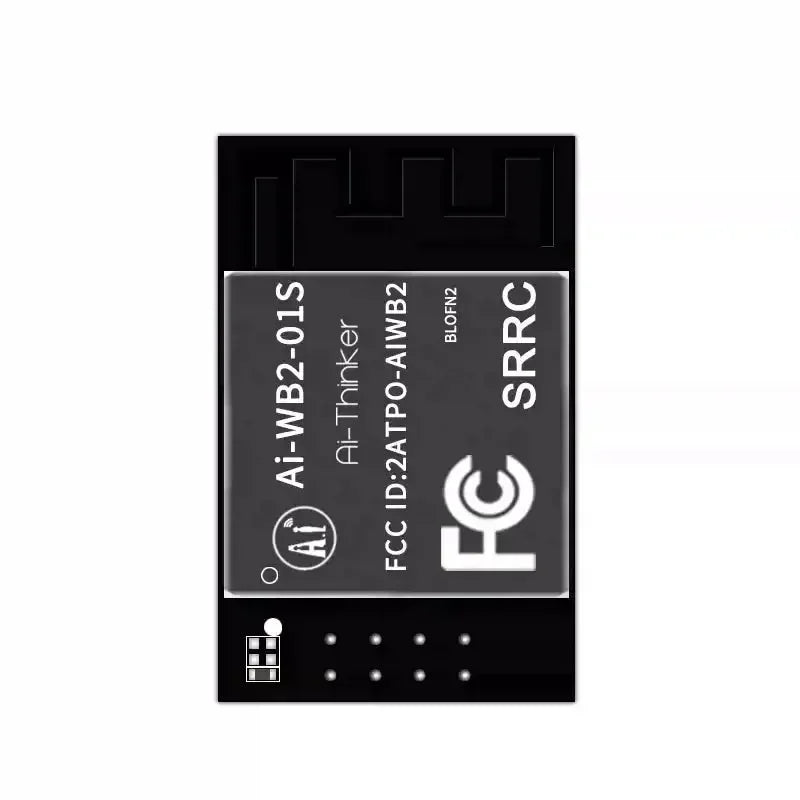
- RAK4200 LoRaWAN Module
- RAK3372 WisBlock LoRaWAN Module
- Seeed Studio SenseCAP T1000-E
What Counts as a Module?
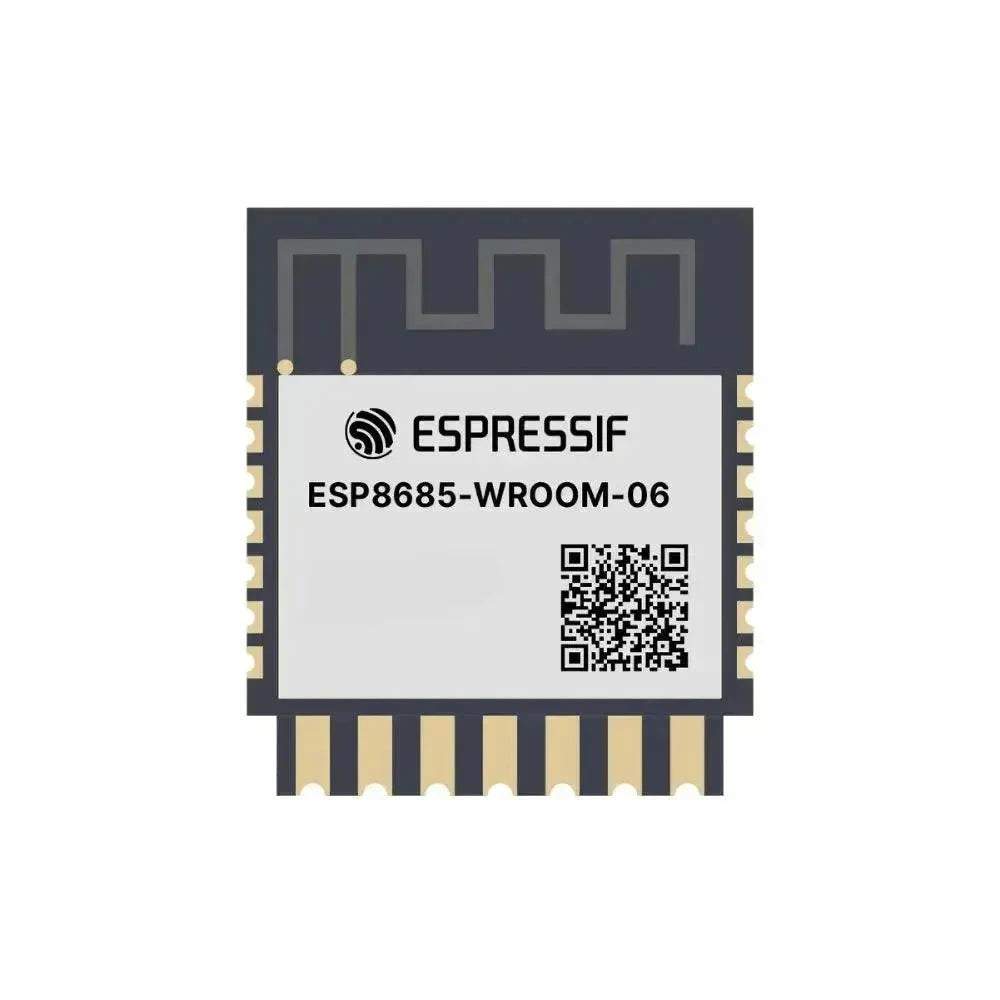
In this context, a LoRaWAN module is a radio subsystem or radio-enabled board intended to be integrated into something else.
In practice, that usually means:
- you provide the host system logic
- you make enclosure decisions
- you decide power architecture
- you own more of the final integration
Examples include:
- LoRaWAN UART units
- WisBlock-style radio modules
- radio communication modules such as the RAK4200 class
What Counts as a Full Device?
A full device is closer to a finished deployment product.
That means it often already includes:
- enclosure
- power system
- application identity
- sensor or tracker function
- more complete mechanical design
Examples include:
- a finished tracker like the SenseCAP T1000-E
- a complete LoRaWAN sensor
- a gateway
Use a Module When You Need Integration Freedom
A LoRaWAN module is the better choice when:
- you already have a host MCU or controller
- you are designing a custom product
- you need to fit the radio into your own enclosure
- you want to combine LoRaWAN with your own sensor stack or application board
- you want control over the final industrial design
This is the classic "we are building the device, not just deploying one" situation.
Use a Full Device When You Need Deployment Speed
A full device is the better choice when:
- you want to deploy faster
- the application is already well matched to the product
- you do not want to own the whole RF and enclosure integration problem
- maintenance and field rollout matter more than board-level customization
That is why a finished tracker can make much more sense than a module when the use case is already clearly defined.
A Module Makes Sense When the LoRaWAN Link Is Only One Part of the Product
One of the clearest signs you should use a module is when LoRaWAN is only one subsystem inside a larger design.
Examples:
- custom industrial sensor node
- bespoke telemetry controller
- device with its own UI, battery, and host processor
- specialized enclosure where standard products do not fit
In these situations, a module lets you add LoRaWAN without forcing the whole product to look like an off-the-shelf tracker or sensor.
A Full Device Makes Sense When the Use Case Is Already Solved
Use a full device when the product category already matches the job.
For example, if the task is:
- asset tracking
- environmental sensing
- weather monitoring
and there is already a stable deployment product for that purpose, it often makes more sense to choose the finished device than to rebuild the same category around a module.
That is why a tracker like the SenseCAP T1000-E is often the better answer for asset tracking than starting from a radio module and rebuilding the rest of the product from scratch.
Module Advantages
1. Mechanical freedom
You decide:
- board stack
- connector layout
- enclosure shape
- antenna routing
2. System-level control
You can align the LoRaWAN subsystem with:
- your MCU
- your battery model
- your firmware architecture
- your sensor mix
3. Better fit for custom products
If your end product is unique, a module usually leads to a cleaner design path than forcing a finished device into the wrong role.
Full Device Advantages
1. Faster deployment
Much less hardware integration work.
2. Lower RF integration risk
A finished device has usually already solved:
- antenna path
- enclosure-RF relationship
- connector exposure
- basic field packaging
3. Simpler operations
For field teams, finished devices are often easier to:
- deploy
- replace
- charge
- mount
- document
Product-Level Examples
M5Stack LoRaWAN Unit
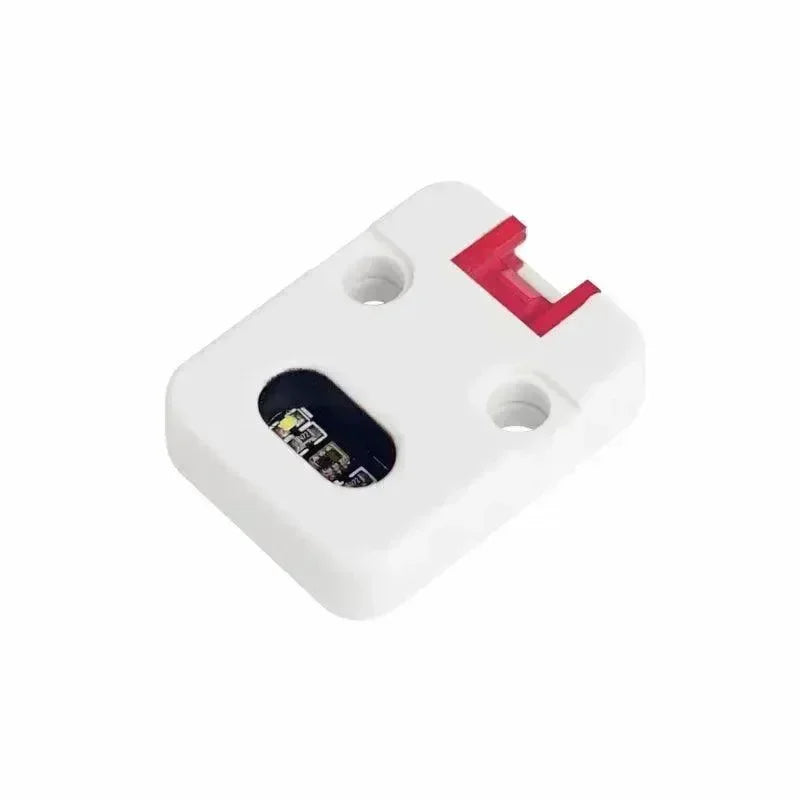
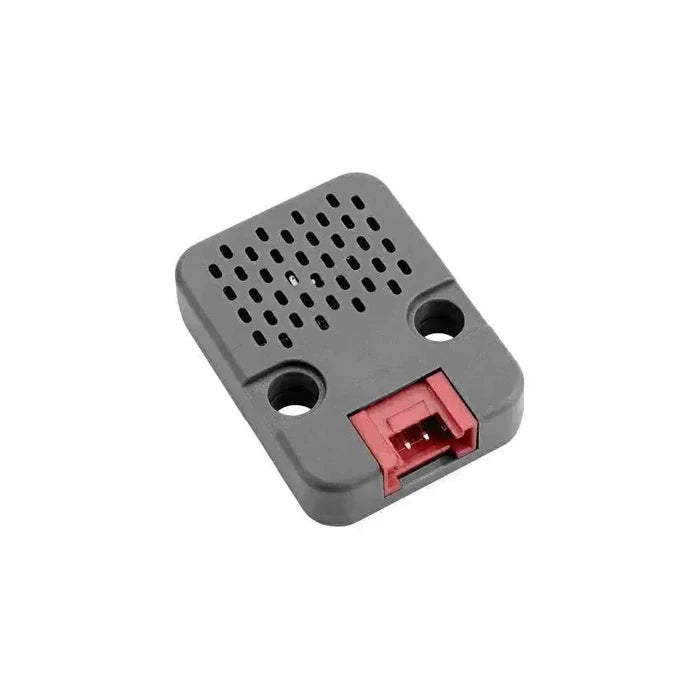
The M5Stack LoRaWAN Unit - US915 and M5Stack LoRaWAN Unit - EU868 are good examples of hardware that sits closer to the module / integration building block side than to the "finished end deployment device" side.
They make sense when:
- you already have an M5Stack or MCU-based host concept
- you want to prototype quickly
- you still want control over the surrounding system
RAK4200 / RAK3372 class modules
Products like the RAK4200 and RAK3372 make sense when:
- you are building a custom node
- you care about integration flexibility
- you are comfortable owning more of the RF and product design path
Full device example: SenseCAP T1000-E
The SenseCAP T1000-E is the opposite kind of answer. It is a finished tracker product, so it makes the most sense when the deployment need is already close to its intended role.
When Not to Use a Module
Do not default to a module if:
- your team does not want to manage RF integration
- enclosure work is out of scope
- the use case is already covered by a finished product
- time-to-deployment matters more than custom design
Using a module in those cases often creates unnecessary engineering burden.
When Not to Use a Full Device
Do not default to a finished device if:
- you need a custom sensor combination
- you need your own industrial design
- you must fit into a constrained enclosure
- the LoRaWAN radio is only one piece of a larger embedded system
In those cases, a module is usually the cleaner choice.
Final Take
Use a LoRaWAN module when you are building a product and need:
- integration flexibility
- custom mechanics
- your own host architecture
Use a full LoRaWAN device when you are deploying a solved category and need:
- faster rollout
- lower RF risk
- less hardware integration effort
The simplest real-world rule is:
choose a module when LoRaWAN is one subsystem inside your product; choose a full device when the product role already exists and you just need to deploy it.