openelab.de
 openelab.com










































Choosing a LoRaWAN antenna, cable, and connector is one of the easiest parts of a deployment to underestimate.
Teams will often spend days comparing gateways, modules, and trackers, then treat the RF chain like a minor accessory choice. In real deployments, a weak antenna path can quietly drag down otherwise solid LoRaWAN hardware.
This article explains how to choose a LoRaWAN antenna cable and connector in a way that matches deployment reality, with product examples prioritized around OpenELAB listings.
Relevant references:
Useful OpenELAB references:
- LoRaWAN Units: Features and Selection Guide
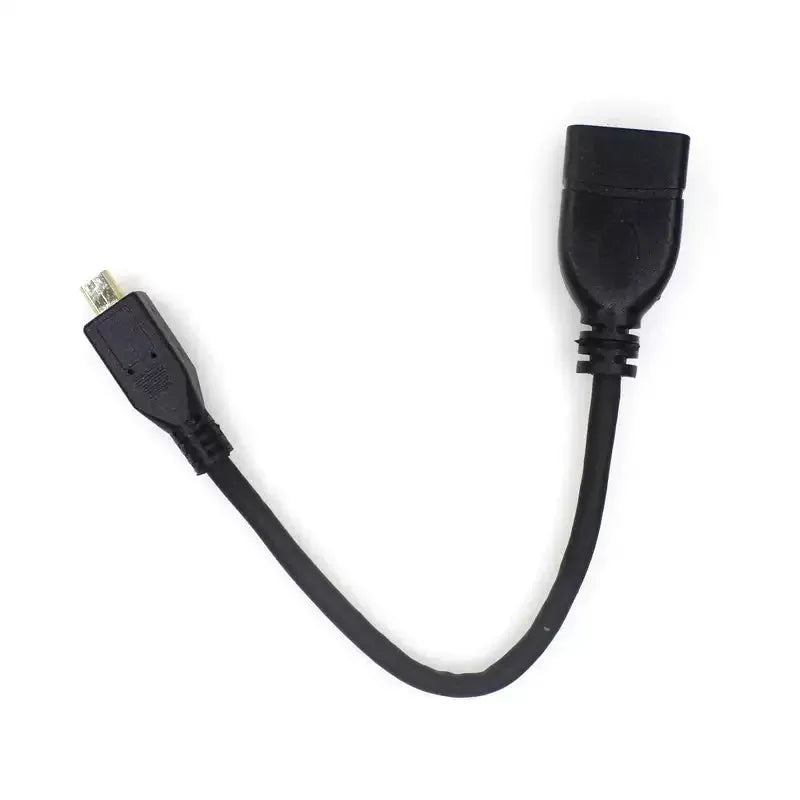
- AntennaHome IPX to SMA/B Adapter Cable 120mm
- M5Stack LoRaWAN Unit - US915
- M5Stack LoRaWAN Unit - EU868
Start with the RF Chain
In a LoRaWAN node or gateway, the RF path is usually:
- radio frontend
- internal connector or solder point
- pigtail or cable
- external connector
- antenna
If any one of those steps is poorly matched, the result can be:
- weaker range
- less stable packet reception
- poor mechanical reliability
- higher troubleshooting time
That is why "just buy an antenna cable" is usually not enough of a selection method.
The First Question: Internal Connector or External Connector?
Many compact LoRaWAN modules and boards do not expose a large external RF connector directly. Instead, they may use a small internal connector such as:
- I-PEX / U.FL / IPX-style miniature connector
Then a short pigtail adapts that to a larger external connector such as:
- SMA
- RP-SMA
- occasionally other connector families depending on gateway class
This is why a product like the AntennaHome IPX to SMA/B Adapter Cable 120mm matters conceptually, even if your exact radio build differs. It is not just changing connector size. It is bridging board-level RF to externally usable antenna hardware.
SMA vs RP-SMA vs Tiny Board Connectors
I-PEX / U.FL / IPX class
These are common when:
- the radio board is small
- the product needs a compact internal RF interface
- the antenna is meant to be routed out to an external enclosure wall
They are useful, but they are also mechanically delicate compared with larger external connectors.
SMA
SMA is one of the most common practical connector choices for LoRa antennas because it is:
- familiar
- mechanically stronger than tiny board connectors
- common on antennas and pigtails
- much easier to manage in enclosures
RP-SMA
RP-SMA appears on many wireless products and can be confused with SMA at a glance. The important point is:
SMA and RP-SMA are not the same thing just because they look similar.
If the connector gender or family is wrong, you do not get a "sort of works" result. You get an incompatible chain.
The Second Question: What Is the Hardware Side Expecting?
Before buying an antenna cable, check three things first:
1. What connector is on the board or device?
Is it:
- onboard miniature RF connector
- SMA
- RP-SMA
- a fixed antenna lead
2. What connector is on the antenna you want to use?
Do not assume.
3. Where will the antenna actually sit?
That determines:
- cable length
- enclosure routing
- strain relief needs
- mechanical durability requirements
Why Cable Length Matters More Than People Expect
A longer cable is not always better just because it makes placement easier.
Every extra cable segment introduces trade-offs such as:
- added loss
- more points of mechanical failure
- more installation complexity
The rule of thumb is simple:
use as much cable as you need, but not much more.
If the goal is only to move a board-level connector to an enclosure wall, a short adapter or pigtail is usually the cleaner choice.
Node Hardware vs Gateway Hardware
You should not choose the RF chain the same way for every device.
For modules and compact nodes
You often care about:
- tiny internal connector compatibility
- short pigtails
- enclosure routing
- board-level integration
This is where IPX/U.FL-to-SMA style adapter cables are most relevant.
For gateways
You usually care more about:
- stronger external connectors
- antenna mounting
- outdoor placement
- mechanical reliability
- potentially thicker or deployment-specific cabling
That is why gateway RF decisions are usually driven more by installation conditions than by board-level integration.
When a Short Adapter Cable Is the Right Choice
Use a short adapter or pigtail when:
- the radio board has only a miniature RF connector
- you want to mount an SMA antenna externally
- the device is going inside an enclosure
- the purpose is to create a clean pass-through to a stronger antenna interface
That is the core use case for products in the IPX-to-SMA adapter class.
When You Should Avoid Overcomplicating the RF Path
Avoid building a chain with:
- too many adapters
- unnecessary connector conversions
- long cable runs for no reason
- fragile unsupported routing
Every conversion point is another place where:
- fit can be wrong
- strain can build up
- RF performance can degrade
Cleaner is usually better.
Product-Level Examples
M5Stack LoRaWAN Units
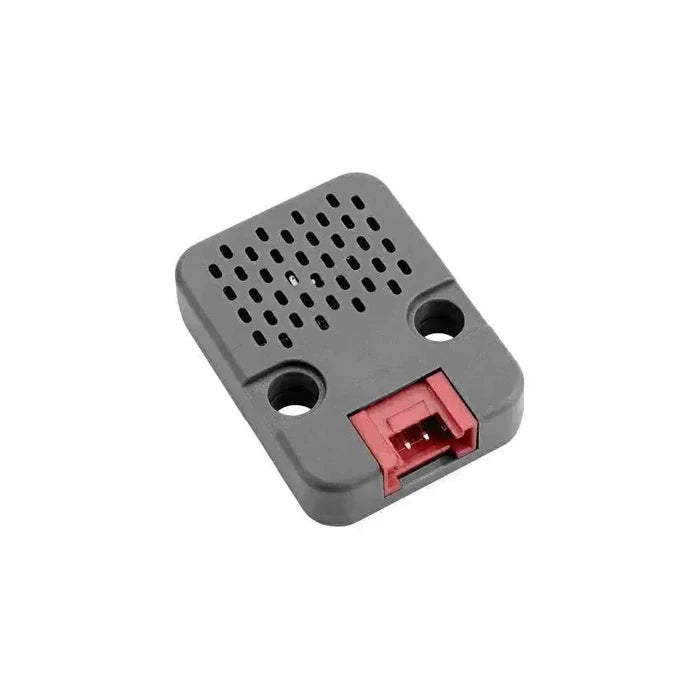
Products such as the M5Stack LoRaWAN Unit - US915 and M5Stack LoRaWAN Unit - EU868 are useful examples because they help illustrate how region-specific LoRaWAN hardware often comes with a practical external antenna workflow already in mind.
If you are using a compact LoRaWAN unit like this, the main questions are:
- do you need to relocate the antenna?
- do you need a better enclosure-mounted antenna setup?
- do the connector types actually match your intended antenna?
IPX / U.FL to SMA-style adapter cables
An adapter such as the AntennaHome IPX to SMA/B Adapter Cable 120mm represents the kind of part you choose when:
- the board-side connector is small
- the antenna side needs a standard external interface
- you need a practical short bridge inside a custom build
Common Mistakes
Mistake 1: Choosing by connector name only
You must check both family and gender/orientation.
Mistake 2: Using more cable than necessary
Longer routing is not free.
Mistake 3: Treating miniature RF connectors like rugged field connectors
They are useful, but they are not ideal for constant handling.
Mistake 4: Copying a Wi-Fi connector assumption into a LoRaWAN build
The connector may look familiar while still being the wrong match.
Final Take
The right LoRaWAN antenna cable and connector choice depends on:
- the radio-side connector
- the antenna-side connector
- cable length requirement
- mechanical environment
- whether you are integrating a module, a compact node, or a gateway
If you want the shortest practical rule:
- use a short IPX/U.FL-to-SMA style adapter when bridging a compact board to an external antenna
- use SMA-class external connections when you want a stronger, enclosure-friendly interface
- avoid unnecessary cable length and adapter chains
That is usually the cleanest path to a stable LoRaWAN RF setup.