openelab.de
 openelab.com








































Small-scale LoRaWAN deployments are often where teams make their most important architecture decisions.
A pilot, proof of concept, lab deployment, classroom rollout, greenhouse test, or single-building sensor project usually does not need the same hardware mix as a citywide or industrial-scale system. But it also should not be treated like a toy.
The goal in a small-scale deployment is usually not to buy the cheapest possible LoRaWAN hardware. The goal is to choose hardware that gives you:
- a clean learning path
- enough reliability to evaluate the system honestly
- a realistic path to growth
- manageable integration effort
This article looks at the best LoRaWAN hardware for small-scale deployments, prioritizing products already available on OpenELAB.
Useful OpenELAB references:
- LoRaWAN Units: Features and Selection Guide
- Seeed Studio SenseCAP S2120 8-in-1 LoRaWAN Weather Sensor - Complete Guide
- Seeed Studio SenseCAP T1000-E
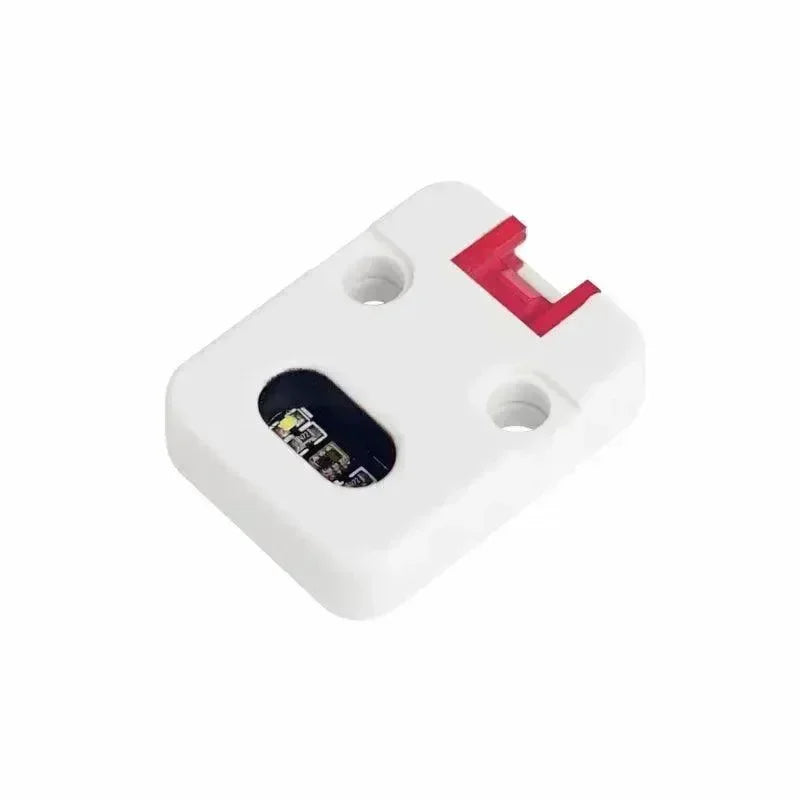
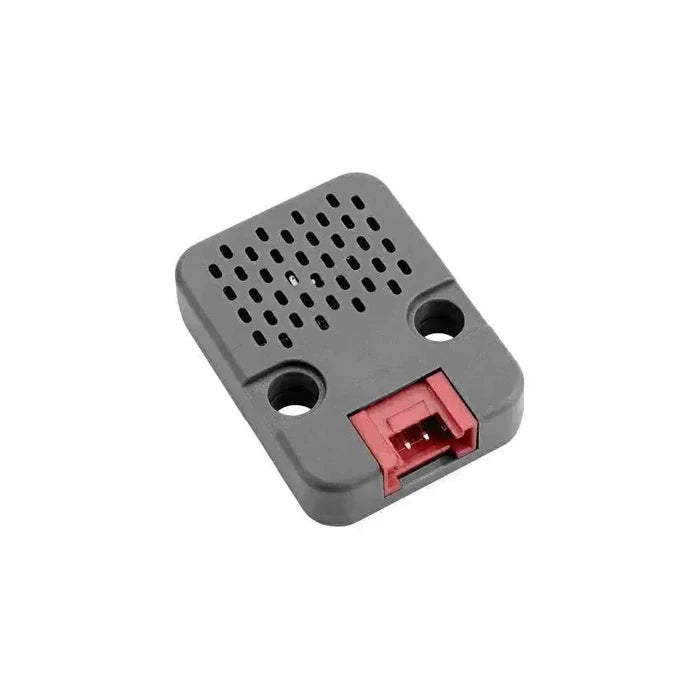
- M5Stack LoRaWAN Unit - EU868
- M5Stack LoRaWAN Unit - US915
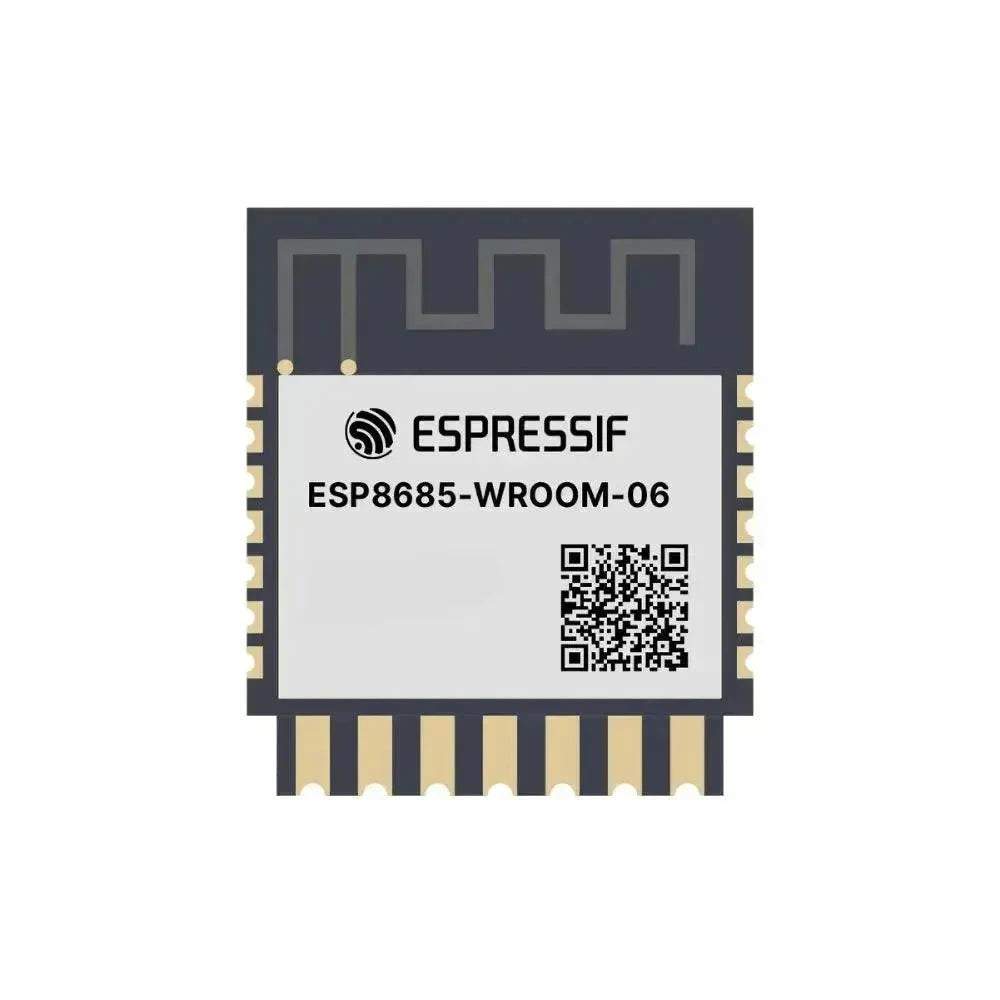
- RAK4200 LoRaWAN Module
What "Small-Scale" Usually Means
A small-scale deployment is typically one of these:
- one gateway and a few nodes
- one building or one floor
- one greenhouse or farm test zone
- a lab or classroom setup
- a pilot for asset tracking or environmental monitoring
The hardware priorities are usually:
- simplicity
- low integration friction
- region correctness
- clean RF behavior
- reasonable power assumptions
The Best Hardware Depends on What You Are Testing
There is no single best LoRaWAN hardware stack for every small project.
The real question is:
What are you trying to validate first?
For example:
- network basics?
- sensor deployment?
- tracking?
- custom hardware integration?
- gateway coverage?
That answer changes the best hardware choice.
1. Best for Learning and Fast Pilot Work: Finished LoRaWAN Devices
If the goal is to get a small LoRaWAN system working quickly, finished devices are usually the best starting point.
Why:
- less RF integration work
- less enclosure work
- faster deployment
- easier troubleshooting
For sensor-oriented pilots, products in the SenseCAP class are strong choices because they let the team focus on network behavior and application logic rather than reinventing the hardware platform.
The published Seeed Studio SenseCAP S2120 8-in-1 LoRaWAN Weather Sensor - Complete Guide is a good example of the kind of device that makes sense for a real field pilot.
2. Best for Asset-Tracking Pilots: Compact Finished Trackers
If your small deployment is really an asset-tracking pilot, a finished tracker is usually the cleaner choice than starting from a module.
The SenseCAP T1000-E is especially useful in small-scale deployments because:
- it is compact
- it is easy to attach to real assets
- it avoids a lot of custom hardware work
- it lets you validate actual tracking workflow, not just radio function
This matters because a small pilot should test the real operational behavior of the system, not just whether packets can be transmitted.
3. Best for Custom Prototyping: LoRaWAN Units and Modules
If your goal is to validate a custom node design rather than a finished use case, then modules and radio units are often better choices.
This is where hardware such as:
becomes valuable.
These make sense when:
- you already have a host controller idea
- you want to prototype your own sensing logic
- you need integration flexibility
- you are validating a product concept, not only a deployment concept
4. Best All-Around Choice for a Small Pilot: Hardware That Minimizes Unknowns
The best small-scale LoRaWAN hardware is usually hardware that removes avoidable uncertainty.
That means:
- known region variant
- clear power model
- practical enclosure
- understandable deployment role
For many teams, that means starting with:
- one finished sensor or tracker
- one region-correct gateway
- one straightforward application objective
and only moving into module-level customization later.
A Good Small-Scale Hardware Strategy
Strategy A: Sensor-first pilot
Use when the goal is:
- environmental data
- agriculture trial
- facility monitoring
- weather or utility-style telemetry
Best hardware style:
- finished LoRaWAN sensor devices
Strategy B: Tracker-first pilot
Use when the goal is:
- movable asset monitoring
- location behavior
- field equipment visibility
Best hardware style:
- finished LoRaWAN tracker such as the T1000-E class
Strategy C: Product prototype
Use when the goal is:
- custom node design
- host integration
- product architecture validation
Best hardware style:
- LoRaWAN module or LoRaWAN unit
What to Avoid in Small Deployments
Avoid overbuilding the first pilot
You usually do not need the most industrial or most expensive stack just to prove basic architecture.
Avoid starting with too many custom unknowns
If everything is custom at once, debugging becomes much harder:
- custom host
- custom power
- custom enclosure
- custom antenna path
- custom firmware
That is why full devices are often better for initial validation.
Avoid buying hardware that does not match the region
Region mismatch breaks small pilots just as badly as big ones.
Practical Recommendations
If you want the shortest buying guidance:
Best for small-scale tracking pilot
- SenseCAP T1000-E
Best for small-scale environmental or sensor pilot
- finished LoRaWAN sensor devices such as SenseCAP S2120-class hardware
Best for custom lab prototyping
- M5Stack LoRaWAN Unit
- RAK4200-class module
Final Take
The best LoRaWAN hardware for small-scale deployments is usually the hardware that lets you validate the right thing with the fewest extra unknowns.
That means:
- choose finished devices when you want to validate a real use case quickly
- choose modules or units when you want to validate a custom product architecture
- do not overbuild the pilot before you understand the deployment
For most teams, the strongest small-scale path is:
one gateway, a few well-matched devices, a clear region plan, and hardware that fits the test objective instead of trying to cover every future scenario at once.