openelab.de
 openelab.com







































Seeed Studio reComputer J3011 edustaa mullistavaa edistysaskelta edge AI -laskennassa, tarjoten yritystason tekoälyominaisuudet kompaktissa, käyttövalmiissa muodossa. NVIDIA® Jetson™ Orin™ Nano 8GB -moduulin voimin tämä edge AI -tietokone rikkoo verkon reunalla mahdollisen rajoja, mahdollistaen kehittyneen koneoppimisen päätelmät, konenäön ja generatiiviset AI-sovellukset ilman pilviyhteyttä. Olitpa kehittämässä autonomisia robotteja, rakentamassa älykkäitä videoanalytiikkajärjestelmiä tai ottamassa käyttöön laajamittaisia AI-malleja verkon reunalla, reComputer J3011 tarjoaa laskentatehon, joka tarvitaan ideoidesi toteuttamiseen. Tämä kattava opas käsittelee laitteen jokaisen osa-alueen, sen huipputason laitteistoarkkitehtuurista käytännön käyttöönottoon ja todellisiin sovelluksiin, jotka muokkaavat teollisuutta ympäri maailmaa.
Jos haluat verrata tätä edge AI -ratkaisua muihin yksittäisiin piirilevyihin, tutustu OpenELAB-tuotekatalogiimme, jossa on vaihtoehtoja kuten Raspberry Pi 5, ESP32-kehityskortit ja Arduino-ratkaisut. Voit myös tutkia valikoimaamme AI- ja koneoppimistuotteita rakentaaksesi täydellisiä edge AI -järjestelmiä.
Mikä on Seeed Studio reComputer J3011?
Seeed Studio reComputer J3011 on suorituskykyinen edge AI -tietokone, joka yhdistää tehokkaan NVIDIA Jetson Orin Nano 8GB -moduulin Seeed Studion tarkoitukseen suunnitelluun J401-kantalevyyn luodakseen täydellisen, valmiin AI-laskentaratkaisun. Toisin kuin perinteiset yksittäiset piirilevyt, jotka painottavat yleiskäyttöistä laskentaa, reComputer J3011 on erityisesti suunniteltu tekoälykuormituksille, ja siinä on laitteistokiihdytys, joka on optimoitu neuroverkkopäätelmille, konenäön käsittelylle ja rinnakkaislaskentatehtäville, jotka määrittävät nykyaikaiset AI-sovellukset. Järjestelmä toimitetaan täysin koottuna kaikkine tarvittavine osineen, mukaan lukien 128GB NVMe SSD valmiiksi asennettuna, Wi-Fi- ja Bluetooth-yhteysmoduulit sekä kattava ohjelmistopaketti, joka perustuu NVIDIA:n JetPack SDK:hon, mahdollistaen kehittäjien aloittaa AI-projektien toteutus heti laatikon avaamisen jälkeen.
reComputer J3011 on osa Seeed Studion kattavaa reunalaskennan valikoimaa, jota voit tutkia heidän virallisella verkkosivustollaan osoitteessa Seeed Studio. Niille, jotka haluavat ymmärtää reunalaskennan laajempaa kontekstia, reunalaskenta edustaa perustavanlaatuista muutosta siinä, miten dataa käsitellään, tuoden laskennan lähemmäs datan syntypaikkaa sen sijaan, että luotettaisiin keskitettyyn pilvi-infrastruktuuriin. Tämä paradigman muutos on erityisen merkityksellinen sovelluksissa, jotka vaativat pientä viivettä, parannettua kaistanleveyden tehokkuutta ja parempaa tietosuojaa – kaikki alueita, joilla reComputer J3011 loistaa. Laite on esimerkki tehokkaan tekoälykiihdytyksen ja käytännöllisten käyttöönotto-ominaisuuksien yhdistymisestä, joka tekee kehittyneestä älykkyydestä saavutettavaa myös datakeskusympäristöjen ulkopuolella.

Ytimessään reComputer J3011 hyödyntää NVIDIA Ampere -arkkitehtuuria, jossa on 1 024 CUDA-ydintä ja 32 Tensor-ydintä, jotka toimivat yhdessä tarjoten ennennäkemätöntä tekoälytehoa kompaktissa koossa. Kuusiytiminen Arm Cortex-A78AE -prosessori hoitaa yleiset laskentatehtävät vaivattomasti, kun taas omistettu GPU vastaa laskennallisesti vaativista neuroverkkoinferenssitoiminnoista, jotka tehostavat nykyaikaisia tekoälysovelluksia. Tämä heterogeeninen laskentatapa varmistaa optimaalisen suorituskyvyn monenlaisissa työkuormissa, yksinkertaisesta anturidatan käsittelystä monimutkaisten syväoppimismallien suorittamiseen. Järjestelmän kyky toimia 7 watin ja 25 watin teholla mahdollistaa käyttötapaukset akkukäyttöisistä mobiiliroboteista pysyvästi asennettuihin teollisiin analytiikka-alustoihin, tehden siitä poikkeuksellisen monipuolisen eri toimialojen ja käyttötarkoitusten sovelluksiin.
Laitteistoarkkitehtuuri ja tekniset tiedot
reComputer J3011:n laitteistoarkkitehtuuri edustaa huolellisen suunnittelun huipentumaa, jossa tasapainotetaan suorituskyky, energiatehokkuus ja liitettävyys paketissa, joka sopii sekä pöytäkone- että seinäasennuksiin. Järjestelmän mitat ovat vain 130 mm x 120 mm x 58,5 mm, mikä tekee siitä riittävän kompaktin tilaa rajoittaviin ympäristöihin, samalla kun se tarjoaa runsaat laajennusmahdollisuudet kattavan I/O-liitännän kautta. Pöytä- ja seinäkiinnitysmahdollisuudet tarjoavat joustavuutta erilaisiin asennustilanteisiin, tutkimuslaboratoriosta teollisiin käyttöräkkeihin. Vankka mekaaninen rakenne takaa luotettavan toiminnan monenlaisissa ympäristöolosuhteissa, täyttäen ammattilaisten tekoälyn käyttöönoton vaativat tarpeet, jotka voivat sisältää tärinää, lämpötilavaihteluita tai haastavia fyysisiä olosuhteita.
reComputer J3011:n täydentämiseksi voit harkita myös antureiden integrointia OpenELAB-anturikokoelmastamme, mukaan lukien ultraäänietäisyysanturit, lämpötila- ja kosteusanturit sekä kameramoduulit kattavien tekoälypohjaisten aistimisratkaisujen luomiseksi. Teollisiin sovelluksiin, jotka vaativat kestäviä koteloita, tutustu suojakuoriimme, lämmönhallintaratkaisuihimme ja teollisuuskoteloihimme, jotka on suunniteltu erityisesti reunalaskennan käyttöönottoihin.
Prosessointikyvyt
reComputer J3011:n ytimessä on sen NVIDIA Jetson Orin Nano 8GB -moduuli, joka yhdistää huipputason tekoälykiihdyttimen kompaktissa System-on-Module (SoM) -muodossa. Moduuli sisältää 1024-ytimisen NVIDIA Ampere GPU:n 32 omistetulla Tensor-ytimellä, jotka on suunniteltu erityisesti kiihdyttämään matriisilaskelmia, jotka hallitsevat syväoppimisen inferenssityökuormia. 6-ytiminen Arm Cortex-A78AE v8.2 64-bittinen CPU hoitaa yleiset prosessointitehtävät ja koordinoi koko järjestelmän toimintaa, kun taas 8GB LPDDR5-muistia tarjoaa suuren kaistanleveyden datan käsittelyyn tehokkaassa tekoälymallien suorittamisessa. Muistiväylän kaistanleveys vaihtelee 68 GB/s:stä normaalikäytössä vaikuttavaan 102 GB/s:iin Super Mode -tilassa, varmistaen, ettei GPU jää ilman dataa intensiivisten laskentojen aikana.

AI-suorituskyky vaihtelee dramaattisesti käyttötilojen välillä, ja standardi JetPack 5.1.3 tarjoaa 40 INT8 TOPS harvassa laskentatilassa ja 20 INT8 TOPS tiheässä tilassa. Päivittäminen JetPack 6.2 -versioon avaa järjestelmän täyden potentiaalin Super Mode -tilan kautta, joka nostaa suorituskyvyn 67 TOPS:iin (harva) ja 33 TOPS:iin (tiheä). Tämä suorituskyvyn parannus johtuu GPU:n kellotaajuuden nostosta (635 MHz:stä 1 020 MHz:iin), CPU:n taajuuden korotuksesta (1,5 GHz:stä 1,7 GHz:iin) ja parannetusta muistiväylän kaistanleveydestä (68 GB/s:stä 102 GB/s:iin). Mahdollisuus säätää moduulin tehoa dynaamisesti 7W:n, 15W:n ja 25W:n (Super Mode) välillä antaa kehittäjille mahdollisuuden optimoida suorituskyvyn ja virrankulutuksen suhde sovelluksen erityisvaatimusten mukaan, olipa kyse sitten pidennetystä akun kestosta mobiiliroboteille tai maksimaalisesta laskentatehosta palvelinluokan analytiikkaratkaisuissa.
Niille, jotka ovat uusia tekoälykiihdyttimien terminologiassa, TOPS (Tera Operations Per Second) on mittari tekoälyn prosessointikyvylle, joka ilmaisee, kuinka monta biljoonaa operaatiota prosessori voi suorittaa sekunnissa. Lue lisää tekoälyn suorituskykymittareista ja niiden yhteydestä todelliseen suorituskykyyn kattavista teknologiavinkeistämme. Näiden mittareiden ymmärtäminen on ratkaisevan tärkeää oikean reunalaitteiston valinnassa juuri sinun sovellusvaatimuksiisi, olipa kyse yksinkertaisista kuvantunnistusmalleista tai monimutkaisista multimodaalisista tekoälyjärjestelmistä.
Muisti- ja tallennusjärjestelmä
reComputer J3011:n muisti- ja tallennusjärjestelmä on suunniteltu vastaamaan nykyaikaisten tekoälysovellusten vaativia tarpeita, jotka usein sisältävät suuria mallipainoja, suurikaistaisia datavirtoja ja nopeita datan käyttökuvioita. 8 Gt:n LPDDR5-muistikonfiguraatio tarjoaa riittävästi kapasiteettia nykyaikaisten syväoppimismallien ajamiseen, kun taas nopea muistiliitäntä varmistaa, että data voidaan syöttää GPU:lle nopeudella, joka maksimoi laskentatehon. 128-bittinen muistiväylän leveys on valittu erityisesti tarjoamaan kaistanleveyttä, joka tarvitaan GPU:n rinnakkaisprosessointikykyjen tehokkaaseen hyödyntämiseen, estäen muistiväylän pullonkaulat, jotka voisivat muuten rajoittaa tekoälyn päättelytehoa vaativissa kuormituksissa.
Tallennustila on toteutettu M.2 Key M -paikalla, joka sisältää valmiiksi asennetun 128 Gt:n NVMe SSD:n, tarjoten nopean tallennustehon, jota vaaditaan tekoälysovelluksissa, joissa mallit ladataan nopeasti, datasetit haetaan ja tuloksia välimuistitetaan. NVMe-tallennus tarjoaa merkittäviä etuja perinteisiin SATA-pohjaisiin ratkaisuihin verrattuna tekoälykuormituksissa, joissa mallipainojen nopea lataaminen ja koulutusdatan nopea käyttö vaikuttavat suoraan järjestelmän reagointikykyyn. M.2-muoto tarjoaa myös joustavuutta tuleviin tallennuspäivityksiin, jolloin käyttäjät voivat asentaa suurempikapasiteettisia asemia sovellusvaatimusten kasvaessa. Lisäksi järjestelmässä on M.2 Key E -paikka, joka sisältää valmiiksi Wi-Fi- ja Bluetooth-moduulin, mahdollistaen langattoman yhteyden ilman, että USB-portteja kuluu kameroille, antureille ja muille oheislaitteille.
Laajentaaksesi tekoälyprojektisi tallennuskapasiteettia, tutustu OpenELABin NVMe SSD -asemiiin ja M.2-laajennuskortteihin. Projekteihin, jotka vaativat lisäpaikallista tallennustilaa, harkitse yhdistämistä kannettaviin SSD-asemiin varmuuskopiointia ja tiedonsiirtoa varten sekä suuriin SD-muistikortteihin irrotettavaa tallennustarvetta varten.
Liitettävyys ja I/O-vaihtoehdot
reComputer J3011 tarjoaa vaikuttavan valikoiman liitäntävaihtoehtoja, jotka tekevät siitä yhteensopivan käytännössä minkä tahansa tekoälykäyttötapauksen kanssa. 4x USB 3.2 Type-A -porttia tarjoavat 10 Gbps tiedonsiirtonopeudet, täydelliset suurikaistaisille oheislaitteille, kuten USB 3.2 -kameroille, ulkoisille tallennuslaitteille ja nopeille antureille. USB 2.0 Type-C -portin sisällyttäminen tarjoaa lisäjoustavuutta nykyaikaisten laitteiden liittämiseen ja tukee latausmahdollisuuksia mobiilikäyttöön. Gigabitin Ethernet (RJ-45) -portti varmistaa luotettavan, nopean langallisen verkkoyhteyden, joka on välttämätön sovelluksissa, joissa vaaditaan tasaista kaistanleveyttä tai toimitaan sähkömagneettisen häiriön alaisissa ympäristöissä.

Näyttö- ja kameraliitännöissä järjestelmä sisältää täysikokoisen HDMI 2.1 ulostulon, joka pystyy ajamaan 4K-näyttöjä korkeilla virkistystaajuuksilla, mahdollistaen rikkaan visuaalisen ulostulon ihmisen ja koneen käyttöliittymiin, valvontapaneeleihin ja interaktiivisiin tekoälysovelluksiin. Kaksi MIPI CSI -kameraliitäntää (2-kaistaa kumpikin) tukevat ammattitason kameroiden liittämistä koneenäkösovelluksiin, mahdollistaen samanaikaiset monikamerajärjestelmät stereonäköön, 360 asteen valvontaan tai monikulmaiseen tarkastukseen. 40-nastainen laajennusliitin tarjoaa pääsyn GPIO-signaaleihin, I2C:hen, SPI:hin ja muihin yleisiin mikrokontrolleriliitäntöihin, kun taas CAN-väyläliitäntä mahdollistaa integroinnin auto- ja teollisuusohjausverkkoihin. 12-nastainen Control/UART-liitin helpottaa liittämistä vanhempiin järjestelmiin ja tarjoaa virheenkorjausmahdollisuuksia kehityksen aikana.
Näyttöjen ja ihmisen ja koneen välisten käyttöliittymien liittämiseen tutustu valikoimaamme OLED- ja LCD-näyttöjä, mukaan lukien 0,96" OLED-näytöt, 1,3" OLED-näytöt ja 7" kosketusnäytöt, jotka sopivat erinomaisesti reunalaskennan tekoälyn tilailmaisimiksi ja HMI-sovelluksiin.
Ohjelmistoekosysteemi ja kehitystyökalut
reComputer J3011 toimitetaan NVIDIA JetPack SDK:n esiasennettuna, tarjoten kattavan ohjelmistokehitysympäristön, joka sisältää Linux-käyttöjärjestelmän, CUDA-työkalupaketin, cuDNN-kirjaston, TensorRT-päätelmäoptimointityökalun ja DeepStream-videonalytiikkakehyksen. Tämä täydellinen ohjelmistopaketti poistaa kehitysympäristön pystytyksen monimutkaisuuden, jolloin insinöörit voivat keskittyä välittömästi tekoälysovellusten kehittämiseen järjestelmän konfiguroinnin sijaan. JetPack SDK edustaa NVIDIAn yhtenäistä lähestymistapaa reunalaskennan tekoälykehitykseen, tarjoten yhdenmukaiset työkalut ja API:t koko Jetson-tuoteperheelle ja varmistaen, että reComputer J3011:llä kehitetty koodi voidaan helposti siirtää muihin Jetson-alustoihin projektivaatimusten muuttuessa.
Seeed Studio laajentaa JetPackin perustoiminnallisuutta lisäohjelmistoilla, jotka yksinkertaistavat yleisiä tekoälyn käyttöönoton tehtäviä. jetson-examples-repositorio GitHubissa tarjoaa yhdellä rivillä suoritettavat käyttöönotto-skriptit suosituimmille tekoälykehyksille ja malleille, mukaan lukien Ollama suurten kielimallien (kuten Llama 3) ajamiseen sekä YOLOv8 kohteentunnistussovelluksiin. Nämä valmiiksi konfiguroidut ympäristöt vähentävät merkittävästi tekoälyprojektien käynnistämiseen kuluvaa aikaa, sillä käyttöönotto-skriptit hoitavat monimutkaisen prosessin riippuvuuksien asennuksesta, mallien lataamisesta ja ajoympäristöjen konfiguroinnista. Tällaisen resurssien saatavuus tekee reComputer J3011:stä saavutettavan kehittäjille, joilla on vaihteleva tekoälyosaaminen, koneoppimisen asiantuntijoista sulautettujen järjestelmien insinööreihin, jotka tutustuvat tekoälyyn ensimmäistä kertaa.
Lisätietoja tekoälymallien optimoinnista löydät tutustumalla TensorRT:hen, NVIDIAn suorituskykyiseen syväoppimisen päättelymoottoriin, ja DeepStreamiin, heidän videoanalytiikkakehykseensä. Nämä työkalut ovat välttämättömiä tekoälyn päättelysuorituskyvyn maksimoimiseksi reunalaitteissa, kuten reComputer J3011:ssä, mahdollistaen kehittyneiden tekoälymallien käyttöönoton, jotka muuten vaatisivat paljon kalliimpaa laskentainfrastruktuuria.
Syväoppimiskehysten tuki
reComputer J3011 tukee kaikkia suosittuja syväoppimiskehyksiä, joita kehittäjät käyttävät tekoälymallien luomiseen, varmistaen yhteensopivuuden AI-kehitysyhteisössä jo käytössä olevien työkalujen ja työnkulkujen kanssa. PyTorch, TensorFlow ja JAX ovat kaikki täysin tuettuja NVIDIAn optimoidun version kautta, joka hyödyntää CUDAa ja TensorRT:tä laskennan kiihdyttämiseen. Järjestelmä voi tuoda malleja, jotka on koulutettu missä tahansa näistä kehyksistä, ja optimoida ne tehokkaaseen päättelyyn TensorRT:n avulla, joka soveltaa kehittynyttä graafien optimointia, kerrosten yhdistämistä ja tarkkuuden kalibrointitekniikoita maksimoidakseen läpimenon säilyttäen tarkkuuden. Tämä kehyksen joustavuus varmistaa, että tutkimusprototyypit ja tuotantojärjestelmät voivat hyödyntää uusimpia tekoälymallien arkkitehtuurin edistysaskeleita ilman täydellistä uudelleenkirjoitusta.
Tietokonenäön sovelluksissa reComputer J3011 hyödyntää NVIDIA DeepStream -täyden suoratoistoanalytiikan kehystä, joka on suunniteltu videonkäsittelyputkistoihin. DeepStream mahdollistaa useiden videovirtojen tehokkaan käsittelyn samanaikaisesti, ja järjestelmän laitteistokapasiteetti tukee jopa 13x 1080p30 -virtaa reaaliaikaiseen analytiikkaan. Tämä tekee reComputer J3011:stä ihanteellisen sovelluksiin kuten vähittäiskaupan analytiikkaan, liikenteen valvontaan, turvallisuusvalvontaan ja teollisuuden laadunvalvontaan, joissa useiden kameroiden kuvatiedot on käsiteltävä samanaikaisesti. Kehyksen lisäosapohjainen arkkitehtuuri antaa kehittäjille mahdollisuuden räätälöidä videonkäsittelyputkia koneoppimisen päättelyn, kohteiden seurannan ja metatietojen poiminnan avulla jokaisessa vaiheessa.
Opi lisää tietokonenäöstä ja kohteiden tunnistuksesta tutustumalla oppaisiimme OpenELAB-opintokeskuksessa, mukaan lukien opetusohjelmat kamerapohjaisten projektien rakentamisesta ja Edge TPU-ratkaisujen toteuttamisesta.
Todelliset käyttötapaukset
reComputer J3011:n yhdistelmä kompaktia kokoa, tehokkaita AI-ominaisuuksia ja joustavaa liitettävyyttä tekee siitä sopivan poikkeuksellisen monipuoliseen sovellusvalikoimaan useilla toimialoilla. Järjestelmän kyky käsitellä korkearesoluutioisia videovirtoja paikallisesti mahdollistaa yksityisyyttä suojaavat AI-sovellukset, jotka eivät vaadi arkaluonteisen videodatan siirtämistä pilvipalveluihin, vastaten kasvaviin huoliin datan suvereniteetista ja kaistanleveyden rajoituksista. Autonomisista mobiiliroboteista, jotka navigoivat dynaamisissa ympäristöissä, älykkäisiin vähittäiskaupan järjestelmiin, jotka analysoivat asiakaskäyttäytymistä, reComputer J3011 tarjoaa laskentapohjan seuraavan sukupolven AI-pohjaisille tuotteille ja palveluille, joiden käyttöönotto reunalla oli aiemmin epäkäytännöllistä.

AI-videoanalytiikka
AI-videoanalytiikka on yksi reComputer J3011:n vaikuttavimmista sovellusalueista, mahdollistaen videovirtojen reaaliaikaisen ymmärtämisen reunalaitteella, jossa data syntyy. Toisin kuin pilvipohjaiset analytiikat, jotka aiheuttavat viivettä, kaistanleveyden kustannuksia ja yksityisyysongelmia, reunapohjainen videoanalytiikka käsittelee tiedot paikallisesti tarjoten välittömiä oivalluksia ja vastauksia. Järjestelmä voi ajaa kehittyneitä kohteentunnistusmalleja, kuten YOLOv8, tunnistaakseen ja seuratakseen ihmisiä, ajoneuvoja ja esineitä useista kameroista samanaikaisesti. Nämä ominaisuudet mahdollistavat sovelluksia, jotka vaihtelevat vähittäiskaupan asiakasvirran analysoinnista ja jononhallinnasta teolliseen turvallisuuden valvontaan ja turvallisuusuhkien havaitsemiseen. Kyky käsitellä jopa 13 samanaikaista 1080p-videovirtaa tekee reComputer J3011:stä sopivan keskisuuriin käyttötapauksiin ilman palvelinratkaisujen kustannuksia ja monimutkaisuutta.
Edistyneet videoanalytiikan toteutukset voivat hyödyntää järjestelmän GPU-ominaisuuksia monimutkaisempaan analyysiin, kuten asennon arviointiin ihmisten liikkeiden ymmärtämiseksi, semanttiseen segmentointiin pikselitasolla tapahtuvan kohtausymmärryksen saavuttamiseksi sekä poikkeavuuksien havaitsemiseen epätavallisten käyttäytymisten tai tapahtumien tunnistamiseksi. Tietokonenäkömallien yhdistäminen sääntöpohjaiseen logiikkaan mahdollistaa kehittyneiden analytiikkaputkien luomisen, jotka voivat automaattisesti laukaista hälytyksiä, säätää valaistusta tai LVI-järjestelmiä tai koordinoida muiden rakennuksen hallintajärjestelmien kanssa havaittujen olosuhteiden perusteella. HDMI-ulostulo mahdollistaa valvontanäyttöjen suoran liittämisen, jolloin reComputer J3011 voi toimia sekä analytiikkamoottorina että reaaliaikaisten kojelautojen visualisointialustana.
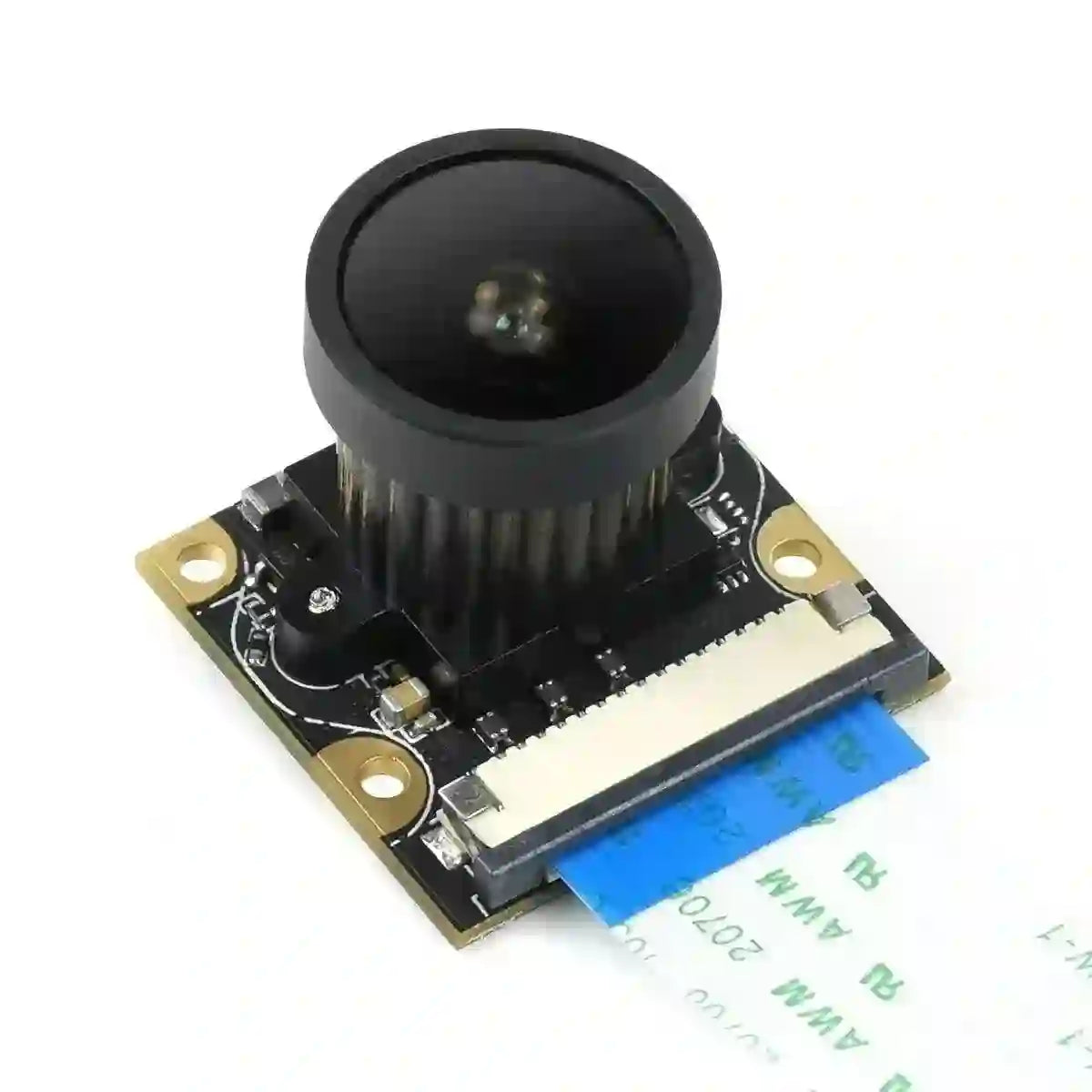
Täydellisten videoanalytiikkaratkaisujen rakentamiseen tutustu valikoimaamme Raspberry Pi -kameramoduuleja, USB-webkameroita, HDMI-kaapeleita ja PoE-kytkimiä keskitettyyn virransyöttöön ja verkkoyhteyksiin IP-kameroille.
Koneen näkö ja teollisuusautomaatio
Teollisuusautomaatiossa ja valmistusympäristöissä reComputer J3011 tehostaa laadunvalvontajärjestelmiä, jotka tunnistavat viat yli-inhimillisellä tarkkuudella ja johdonmukaisuudella. Kaksi CSI-kameraliitäntää tukevat korkearesoluutioisia teollisuuskameroita, jotka voidaan sijoittaa tarkastamaan tuotteita kokoonpanolinjoilla, tunnistaen mittojen virheet, pintavirheet ja kokoonpanon ongelmat reaaliajassa. Järjestelmän prosessointikyky mahdollistaa tarkastuksen tuotantolinjan nopeudella, ja päätöksenteon viive mitataan millisekunneissa, jotta vialliset tuotteet tunnistetaan ennen seuraavia käsittelyvaiheita. Kompakti muotoilu mahdollistaa asennuksen laitekaappeihin tai suoraan tuotantokoneisiin, ja laaja toimintalämpötila-alue takaa luotettavan toiminnan haastavissa tehdasympäristöissä.
Autonomiset mobiilirobotit (AMR) ovat toinen merkittävä sovellusalue, jossa reComputer J3011:n tekoälyominaisuudet mahdollistavat kehittyneen navigoinnin, esteiden väistämisen ja tehtävien suorittamisen dynaamisissa ympäristöissä. Järjestelmä pystyy käsittelemään tietoa useista antureista, kuten kameroista, lidarista ja ultraäänisensoreista, rakentaakseen reaaliaikaisia karttoja robotin ympäristöstä ja suunnitellakseen optimaaliset reitit kohdepisteisiin. Kohteiden tunnistus- ja luokittelutoiminnot antavat roboteille kyvyn tunnistaa ja reagoida dynaamisiin esteisiin, kuten ihmisiin, muihin ajoneuvoihin ja odottamattomiin esineisiin ympäristössä. Alhainen virrankulutus mahdollistaa pidennetyn toiminnan akkuvirralla, kun taas tehokas laskentateho tukee monimutkaisia toimintoja, kuten monirobottikoordinointia ja adaptiivista tehtäväsuunnittelua, jotka mahdollistavat aidosti autonomisen toiminnan monimutkaisissa todellisissa ympäristöissä.
Robotiikkaprojekteihin tutustu robotiikkakomponenttien valikoimaamme, joka sisältää moottoriohjaimia, robottialustoja, LiDAR-antureita ja IMU-antureita, jotka voidaan integroida reComputer J3011:n kanssa täydellisiin autonomisiin robottiratkaisuihin.
Generatiivinen tekoäly reunalaskennassa
Ehkä jännittävin reComputer J3011:n kehityssuunta on generatiivinen tekoäly reunalla, jossa suuret kielimallit ja näkö-kielimallit toimivat paikallisesti ilman pilviyhteyttä. Käyttämällä Seeed Studion tarjoamia käyttöönotto-skriptejä kehittäjät voivat ajaa Ollamaa malleilla kuten Llama 3 suoraan laitteella, mahdollistaen luonnollisen kielen vuorovaikutuksen tekoälyjärjestelmien kanssa paikoissa, joissa pilviyhteys ei ole saatavilla tai toivottavaa. Tämä ominaisuus avaa mahdollisuuksia älykkäille avustajille syrjäisillä alueilla, offline-kielikäännöksille ja toimialakohtaisille kysymys-vastausjärjestelmille, jotka toimivat kokonaan paikallisessa infrastruktuurissa. Tämän merkitys yksityisyyttä vaativissa sovelluksissa sekä kaistanleveyden rajoittamissa tai yhteydettömissä ympäristöissä on erityisen suuri.
Näkö-kielimallit (VLM) kuten LLaVA yhdistävät visuaalisen ymmärryksen luonnolliseen kielen päättelyyn, mahdollistaen tekoälyjärjestelmät, jotka voivat kuvata kuvia, vastata visuaaliseen sisältöön liittyviin kysymyksiin ja käydä monimodaalisia keskusteluja. Nämä ominaisuudet ovat mullistavia sovelluksissa, kuten saavutettavuusapu, joka kuvaa visuaalisia kohtauksia näkövammaisille käyttäjille, älykkäät asiakaspalvelujärjestelmät, jotka voivat viitata visuaaliseen tuotetietoon, sekä robottijärjestelmät, jotka ymmärtävät sekä suulliset ohjeet että visuaalisen kontekstin. reComputer J3011:n 67 TOPS:n AI-suorituskyky Super-tilassa tarjoaa riittävän laskentatehon näiden kehittyneiden mallien ajamiseen kohtuullisilla päättelynopeuksilla, tuoden edistyneet tekoälyominaisuudet reunalaskentaympäristöihin, jotka aiemmin olivat mahdottomia ilman pilviapua.
Lisätietoja generatiivisesta tekoälystä ja suurista kielimalleista löydät tutkimalla resursseja suurista kielimalleista, näkö-kielimalleista ja transformeriarkkitehtuureista Wikipedian kattavassa tekoälykattauksessa. Pysy ajan tasalla keskusteluista r/MachineLearning ja r/deeplearning -yhteisöissä Redditissä.
Teknisten tietojen yhteenveto
Seuraava taulukko tarjoaa kattavan yleiskatsauksen reComputer J3011:n teknisistä tiedoista järjestelmäsuunnittelun ja integroinnin tueksi:
| Kategoria | Tekniset tiedot |
|---|---|
| AI-suorituskyky | 40 TOPS (Vakio JP5.1.3) / 67 TOPS (Super JP6.2) |
| GPU-arkkitehtuuri | 1024-ytiminen NVIDIA Ampere 32 Tensor-ytimellä |
| GPU-kellotaajuus | 635 MHz (Vakio) / 1 020 MHz (Super-tila) |
| Suoritin | 6-ytiminen Arm Cortex-A78AE v8.2 64-bittinen @ 1,5–1,7 GHz |
| Muisti | 8 Gt 128-bittinen LPDDR5 (68–102 Gt/s) |
| Tallennustila | 128 Gt NVMe SSD (M.2 Key M, päivitettävissä) |
| Langaton | Wi-Fi/BT (M.2 Key E, esiasennettu) |
| Ethernet | Gigabit Ethernet (RJ-45) |
| USB-portit | 4x USB 3.2 Type-A (10 Gbps) + 1x USB 2.0 Type-C |
| Näyttölähtö | 1x HDMI 2.1 (4K@60fps) |
| Kameraliitännät | 2x MIPI CSI (2-kaista) |
| Laajennus I/O | 40-napainen liitin, CAN-väylä, 12-napainen ohjaus/UART |
| Mitat | 130 mm x 120 mm x 58,5 mm |
| Paino | Noin 500 g |
| Virtaustilat | 7W / 15W / 25W (konfiguroitavissa) |
| Käyttölämpötila | 0°C–50°C |
| Asennusvaihtoehdot | Pöytä, Seinälle asennus |
Vertailu vaihtoehtoisiin Jetson-ratkaisuihin
Kun arvioidaan reComputer J3011:tä muihin NVIDIA Jetson -ekosysteemin ratkaisuihin verrattuna, nousee esiin useita keskeisiä erottavia tekijöitä, jotka tekevät tästä alustasta erityisen houkuttelevan tietyissä käyttötapauksissa. Seeed Studion kantalevyn suunnittelu tarjoaa huolellisesti tasapainotetun joukon I/O-vaihtoehtoja, jotka vastaavat yleisiä tekoälysovellusten vaatimuksia ilman räätälöityjen ratkaisujen monimutkaisuutta tai kustannuksia. Vertailukohtana oleva kehittäjäpaketti on suurempi, kun taas reComputer J3011 tarjoaa kompaktimman muodon, ammattimaiset kotelovaihtoehdot ja valmiiksi koottuna toimitettavan järjestelmän, joka on käyttövalmis. Esiasennetut Wi-Fi- ja Bluetooth-moduulit poistavat erillisen langattoman sovittimen asennustarpeen, ja mukana tuleva 128 Gt SSD tarjoaa välittömän tallennuskapasiteetin ilman erillisiä hankintoja.
Arvolupaus korostuu erityisesti kokonaisomistuskustannuksia tarkasteltaessa, sillä reComputer J3011 sisältää komponentteja, jotka muuten vaatisivat erillisen hankinnan ja integroinnin. 40-napainen GPIO-liitin tarjoaa harrastajaystävällisen pääsyn yleisiin rajapintoihin antureille ja toimilaitteille, kun taas CAN-väylän tuki mahdollistaa suoran integroinnin auto- ja teollisuusohjausjärjestelmiin, jotka perustuvat tähän vankkaan verkkostandardiin. Sekä pöytä- että seinäasennusvaihtoehtojen sisällyttäminen helpottaa käyttöönottoa entisestään, vähentäen tarvetta räätälöidyille kiinnitysratkaisuille tai kolmannen osapuolen koteloille.
Vertaa reComputer J3011:tä muihin reunalaskennan tekoälyvaihtoehtoihin yhdellä piirilevyllä varustettujen tietokoneiden kokoelmassamme, mukaan lukien Jetson Nano Developer Kit, Orin Nano Developer Kit ja muut tekoälylaskentaratkaisut OpenELABilta.
Aloitus ja käyttöönotto-ohjeet
reComputer J3011:n käyttöönotto tuotantokäyttöön sisältää useita keskeisiä huomioita, jotka varmistavat luotettavan toiminnan kohdeympäristössäsi. Järjestelmä toimii luotettavasti tavanomaisissa sisälämpötiloissa (0°C–50°C), mutta riittävä ilmanvaihto on varmistettava optimaalisen lämpösuorituskyvyn ylläpitämiseksi jatkuvissa tekoälykuormissa. Seinälle asennettaessa sijoittelun tulee sallia esteetön ilmavirtaus laitteen kaikkien sivujen ympärillä, ja on otettava huomioon ympäristön lämpötila, pölypitoisuus sekä sähkömagneettiset häiriölähteet, jotka voivat vaikuttaa järjestelmän toimintaan tai liitettyihin oheislaitteisiin.

Virtalähteen valinnat ovat tärkeitä vakaalle toiminnalle, erityisesti kun käytetään järjestelmän maksimisuorituskykyä Super-tilassa. Mukana tuleva 12V/5A virtasovitin tarjoaa riittävästi virtaa useimpiin käyttöolosuhteisiin, vaikka sovellukset, jotka käyttävät useita suuritehoisia USB-lisälaitteita tai toimivat lämpötilarajoitetuissa ympäristöissä, saattavat hyötyä lisävirtavarauksesta. Verkkokäyttöönoton yhteydessä on otettava huomioon sekä videon suoratoistosovellusten kaistanleveysvaatimukset että fyysisen verkkoinfrastruktuurin käytännön näkökohdat, jolloin Gigabit Ethernet tarjoaa vankan yhteyden useimpiin tilanteisiin, kun taas integroitu Wi-Fi mahdollistaa joustavan sijoittelun paikoissa, joissa langallinen verkko on epäkäytännöllinen.
Virtalähteiden ja lisävarusteiden osalta selaa valikoimaamme virtasovittimia, USB-C-kaapeleita, Ethernet-kaapeleita ja seinätelineitä täydentääksesi käyttöönottoasetuksesi.
Tulevaisuuden varmistaminen tekoälysijoituksellesi
reComputer J3011 on suunniteltu pitkäikäisyyttä silmällä pitäen, hyödyntäen NVIDIA:n sitoutumista Jetson-alustan pitkäaikaiseen ohjelmistotukeen. Mahdollisuus päivittää uudempaan JetPack-versioon varmistaa, että järjestelmä voi hyödyntää tulevia ohjelmisto-optimointeja ja uusia tekoälykehysominaisuuksia niiden tullessa saataville. M.2-tallennustilan ja langattomien yhteysvaihtoehtojen modulaarinen luonne mahdollistaa komponenttien päivitykset ilman koko järjestelmän vaihtoa, mikä pidentää sijoituksen käyttöikää sovellusvaatimusten kehittyessä. Laaja ohjelmistoekosysteemi ja suuri Jetson-kehittäjäyhteisö tarjoavat jatkuvia resursseja vianmääritykseen, optimointiin ja luovaan ongelmanratkaisuun, mikä hyödyttää sekä uusia että kokeneita käyttäjiä.
Taustalla oleva NVIDIA Jetson Orin -arkkitehtuuri edustaa merkittävää panostusta tulevaisuuden varmistamiseen, ja Ampere GPU -arkkitehtuuri tarjoaa yhteensopivuuden uusimpien tekoälymallien optimointien ja päättelytekniikoiden kanssa. Kun uusia tekoälymalleja ja -kehyksiä ilmestyy, reComputer J3011:n tehokas laitteisto pysyy todennäköisesti kykenevänä ajamaan näitä edistyneitä järjestelmiä, erityisesti kun niitä optimoidaan TensorRT:n avulla. Tämä tekee reComputer J3011:stä ratkaisun paitsi tämän päivän tekoälyhaasteisiin myös alustan, joka voi kasvaa tekoälyhankkeidesi mukana, suojaten alkuperäisen sijoituksesi samalla kun mahdollistaa yhä kehittyneempiä tekoälysovelluksia teknologian kehittyessä ja osaamisesi kasvaessa.
Pysy ajan tasalla tekoälyteknologian uusimmista kehityksistä vierailemalla Redditin r/MachineLearning ja r/deeplearning -yhteisöissä, joissa tutkijat ja ammattilaiset keskustelevat tekoälyn viimeisimmistä edistysaskeleista, mukaan lukien edge AI -käyttöönottojen strategiat ja Jetson-kehitysvinkit.
Yhteenveto
Seeed Studio reComputer J3011 Edge AI Computer edustaa vaikuttavaa yhdistelmää huipputason tekoälykiihdytinteknologiaa, harkittua järjestelmäsuunnittelua ja käytännön käyttöönoton näkökulmia, jotka tekevät kehittyneestä tekoälystä saavutettavaa kehittäjille ja organisaatioille aina harrastajista yrityskäyttäjiin. Sen tehokas NVIDIA Jetson Orin Nano 8GB -moduuli pystyy tarjoamaan jopa 67 TOPS:n tekoälytehon, laajat liitäntävaihtoehdot sekä Seeed Studion ekosysteemin ja NVIDIAn laajan ohjelmistopinon tuen. Tämä alusta tarjoaa kaiken tarvittavan älykkäiden ominaisuuksien tuomiseen verkon reunalle lähes missä tahansa käyttötapauksessa. Rakennatpa sitten autonomisia robotteja, otat käyttöön älykkäitä videoanalytiikkaratkaisuja, luot teollisia laadunvalvontajärjestelmiä tai tutkit generatiivisen tekoälyn rajoja reunalaskennassa, reComputer J3011 tarjoaa vakuuttavan yhdistelmän suorituskykyä, joustavuutta ja arvoa, joka tekee siitä erinomaisen valinnan seuraavaan tekoälyprojektiisi.
Oletko valmis aloittamaan edge AI -projektisi? Selaa OpenELABin kattavaa tekoäly- ja koneoppimiskokoelmaa, johon kuuluu myös Seeed Studio reComputer J3011, ja tutustu valikoimaamme antureita, kameroita, robotiikan komponentteja ja näyttöjä täydellisten tekoälyratkaisujen rakentamiseen. Tekniseen dokumentaatioon ja yhteisön tukeen pääset tutustumaan Seeed Studioon ja heidän wikidokumentaatioonsa, josta löydät yksityiskohtaiset oppaat ja tutoriaalit.